
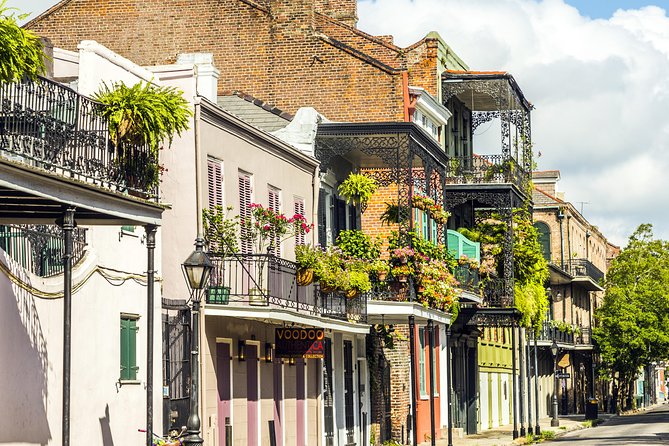
Reviewed · FRENCH QUARTER TOURS
French Quarter History and Landmark Waking Tour
Ghost stories meet city planning on foot. This 2-hour walk in New Orleans links 18th-century French colony roots to the St Louis No. 1 tombs, with stops that explain why the French Quarter looks the way it does. You’ll hear Catholic influence, royal streetside power, and the city’s darker legends without turning the experience into a scary show.
I especially like two things: first, the way the guide ties famous landmarks to everyday life, from Jackson Square’s civic role to Royal Street’s art-and-shop scene. Second, the tour’s focus on Marie Laveau’s final resting place and how voodoo lore fits into the broader New Orleans story. One possible drawback: you’re walking a lot, and the cemetery area can be hot with little shade.
At $30 per person, this is a fast way to get your bearings in the French Quarter and leave with names, dates, and context you can use all trip long. You’ll start at 540 Chartres St at 10:00 am and keep moving through key sights toward the heart of the Quarter, usually with a small group capped at 16 and a mobile ticket in hand.
In This Review
- Key points at a glance
- Why this 2-hour French Quarter walk is a smart first move
- The start at 540 Chartres St: getting oriented without wasting time
- Catholic influence, Royal Street, and the Bourbon Street timeline
- Congo Square’s origins and how public space changes over centuries
- Jackson Square, the French Market, and the civic heart of the Quarter
- St Louis No. 1 cemetery: above-ground tombs and the rule of licensed access
- Marie Laveau’s resting place: legend handled with respect
- Comfort and weather tips for walking in the Quarter
- Price and value: what $30 buys you that self-walking can’t
- The guides: what the best moments usually come down to
- Who should book this tour (and who might want something else)
- Should you book this French Quarter history and St Louis No. 1 tour?
- FAQ
- How much does the French Quarter History and Landmark Walking Tour cost?
- How long is the tour?
- Where does the tour start and where does it end?
- What time does the tour begin?
- Is food or drinks included?
- Do I need to bring a printed ticket?
- What group size should I expect?
- Is there free cancellation?
- Is the tour near public transportation?
- Is Marie Laveau included on the tour?
Key points at a glance
- Pro historian guide: you’re not just taking photos, you’re learning why things happened and why they still matter
- Above-ground tombs at St Louis No. 1: you’ll see the famous cemetery layout up close
- Marie Laveau’s resting place: voodoo legend is treated as part of local history, not a side show
- French Quarter anchors in one route: Jackson Square, the French Market, and Café du Monde are included
- Royal Street and Bourbon Street explained: you get both the backstory and the modern street reality
More ways to wander the Vieux Carre
- New Orleans Food Walking Tour of the French Quarter with Small-Group Option★ 5.0 · 6,118 reviews
- New Orleans French Quarter, Voodoo and Culture Walking Tour★ 4.5 · 2,961 reviews
- French Quarter Historical Sights and Stories Walking Tour★ 5.0 · 2,724 reviews
- Ghost and Vampire Walking Tour Of The French Quarter★ 4.5 · 2,406 reviews
Why this 2-hour French Quarter walk is a smart first move
New Orleans has a talent for looking theatrical, even when it’s just doing normal city things like worship, trade, and neighborhood life. This tour helps you decode that feeling fast. In about two hours, you’ll connect the dots between French and Catholic influence, the growth of public spaces, and the way legends cling to specific corners.
I like that it doesn’t treat the French Quarter as one big mood board. You get clear links between landmark and meaning: why Jackson Square matters, why the French Market area drew people in, and why St Louis No. 1 stands out as a cemetery shaped by local constraints.
This is also good value in a practical way. At $30, you’re paying for concentrated interpretation and a guided route that includes sights you might otherwise split across multiple half-days.
The start at 540 Chartres St: getting oriented without wasting time
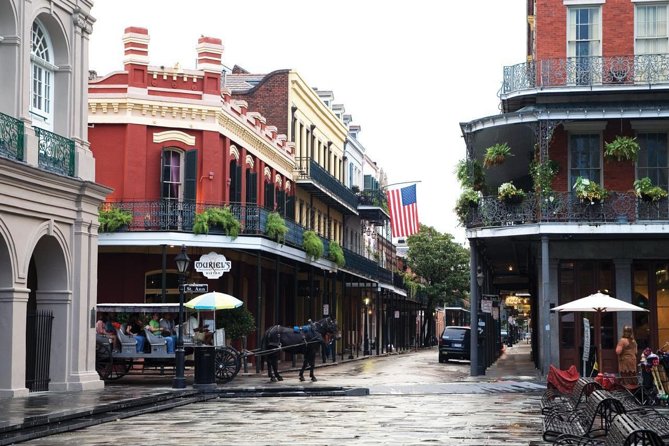
The meeting point is 540 Chartres St, right in the French Quarter’s orbit. The morning start at 10:00 am helps. You’ll be out early enough to enjoy streets before they fully heat up and before crowds get too pushy.
In the first stretch, the guide sets the tone with the Catholic thread that runs through New Orleans. You’ll hear how religion shaped community life and public space, which pays off later when you’re standing near civic landmarks and cemetery grounds. Even if you only catch part of the story at first, it quickly clicks once you see how the Quarter’s layout reflects social order.
A small-group cap (16 people) matters here. You can actually hear explanations and ask questions instead of shouting over the group shuffle.
Catholic influence, Royal Street, and the Bourbon Street timeline
After the orientation phase, you’ll move through the French Quarter’s loudest lesson plan: streets that still perform history in public.
First up is Catholic influence in New Orleans. The point isn’t just that Catholics lived here. The point is that the city built institutions around it, and those institutions shaped what people could do and where they gathered.
Then comes Royal Street, known for its shops and galleries. What I like about covering Royal Street on a history-focused walk is that it turns shopping time into cultural time. You’ll hear the backstories behind the area’s upsides and power shifts, and you’ll understand why a street that looks like a modern gallery strip has deeper roots.
Bourbon Street gets handled too, but with balance. You’ll get history first, then the current Bourbon Street scene. That combo keeps you from thinking it’s all one-note party chaos. You’ll see it as a street that’s been rebranded over time, driven by economics, crowds, and changing identities.
Congo Square’s origins and how public space changes over centuries
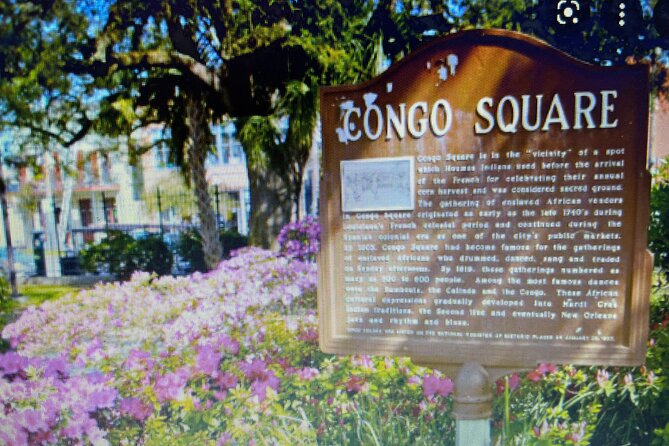
One of the most interesting stops is Congo Square. This is where the tour widens the lens beyond French and Catholic basics and into pre-colonial origins and long-term evolution.
You’ll hear how Congo Square developed across empire and time, including how the meaning of that space shifted. The key lesson is that places aren’t frozen. Public space changes based on who controls it, who uses it, and what the authorities tolerate or suppress.
For me, that’s the payoff of including Congo Square inside a short tour. It prevents the French Quarter from becoming a single-style postcard. Instead, you get a reminder that the city’s culture grew from many sources under pressure, and that the Quarter’s most famous streets were never just decoration.
More of the city's three centuries

Jackson Square, the French Market, and the civic heart of the Quarter
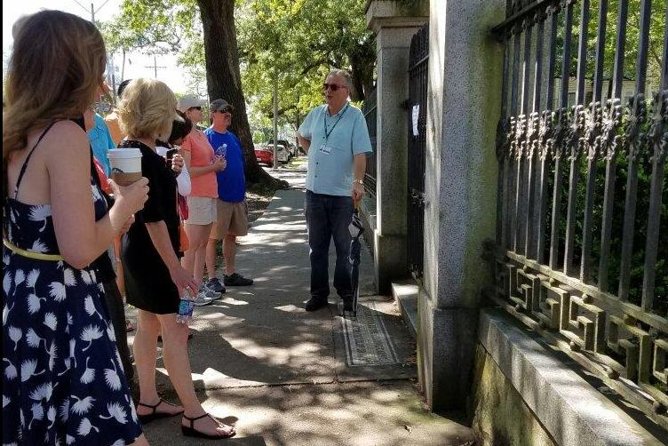
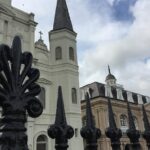
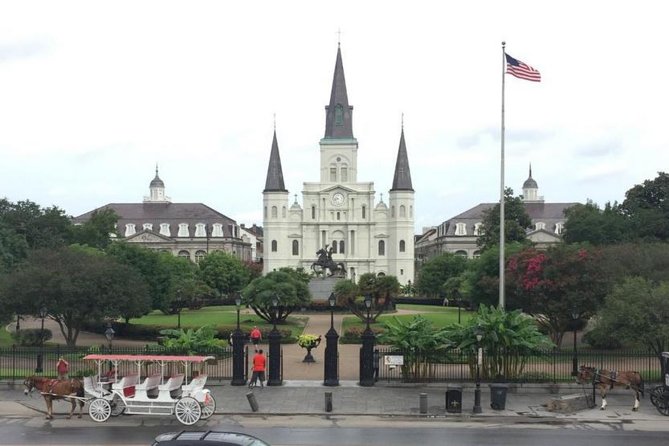
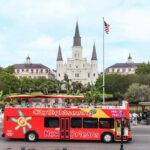
Jackson Square is one of the most photographed places in New Orleans, but it’s also one of the easiest to misunderstand if you only treat it as a scenic backdrop. This tour gives you the reason it sits where it does and why it became a magnet for gatherings.
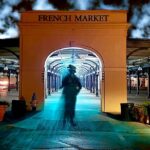
You’ll also connect the dots around the French Market and the surrounding civic buildings. The French Market area is where trade and daily life show up in physical form, so it’s a strong stop for anyone who likes learning how money and people shaped a city.
The Cabildo and the Presbytere come into the story here, which helps because those buildings look like classic historic architecture until you know what role they played. When you understand their purpose, the square feels less like a set and more like a functioning civic stage.
And yes, Café du Monde is part of the route. Even though food isn’t included, it’s a useful stop because it grounds the history in a real modern ritual: coffee, beignets, and the habit of sitting outside in the thick of the Quarter.
St Louis No. 1 cemetery: above-ground tombs and the rule of licensed access
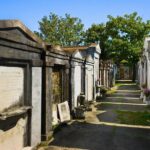
The cemetery portion is a major reason to book this tour. St Louis No. 1 is famous for its above-ground tombs, and seeing those structures in person is very different from reading about them.
The tour’s approach helps you understand why the cemetery looks the way it does. Above-ground burial isn’t just a spooky aesthetic choice. It’s tied to the local environment and the city’s long-term burial traditions. Once you grasp that, you stop treating the cemetery like a Halloween prop and start treating it like a serious historical site.
There’s another practical detail that matters: access. In the experience format described here, you visit the cemetery as part of a guided tour, which is the kind of permission many visitors can’t replicate on their own. That makes the cemetery stop feel less like an optional add-on and more like a core value.
Marie Laveau’s resting place: legend handled with respect
The highlight most people remember is the final resting place of voodoo queen Marie Laveau. This part works best when the guide balances legend with local context.
What I find useful is that the tour frames voodoo as part of New Orleans history. You’ll learn how the story is tied to the city’s communities and spiritual life, without turning it into cheap spectacle. The guide also takes care with questions, including how to talk about Marie Laveau in a way that respects both believers and skeptics.
If you’re curious about the voodoo angle of the French Quarter, this is one of the shortest routes that gets you to a specific, meaningful location rather than leaving you with general folklore.
Comfort and weather tips for walking in the Quarter
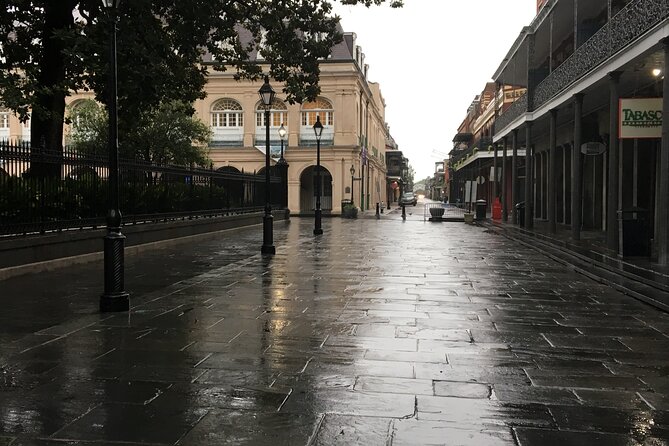
This is a walking tour, and New Orleans weather can be dramatic. The practical advice I’d give is simple: wear comfortable shoes, bring water, and plan for sun. One recurring tip from guides’ experience with the route is that it can feel scorching even outside peak summer, and the cemetery area may offer little shade.
You’ll be on foot for about two hours, so think about clothing that won’t slow you down. If you take photos, do it, but keep your pace steady so you don’t lag behind the group as explanations move to the next stop.
Price and value: what $30 buys you that self-walking can’t
$30 sounds modest, but in the French Quarter it’s actually a solid deal because you’re paying for three things:
First, interpretation. Without a guide, you can wander past Jackson Square, Royal Street, and the cemetery and still miss the meaning. With a guide, those same stops become a connected story.
Second, a route that includes major anchors in a tight time window. You’ll see the French Market area, Café du Monde, and the cemetery segment without needing to plan a day-long itinerary.
Third, access and timing around St Louis No. 1. A cemetery visit is different from a street stop. When you’re there with a licensed guide, the experience feels complete.
If you want to understand the French Quarter quickly and then spend the rest of your trip exploring on your own, this price point fits that goal nicely.
The guides: what the best moments usually come down to
One strong pattern in guide feedback is that the best tours come from a guide who can both explain and adapt. Names that show up in the guide lineup include David, Dane, Graham, Tara, Randy, Mike, and Mark. The common theme: the guide makes the walk feel like a real conversation about place, people, and why the city evolved.
You’ll get that “ask anything” vibe too, including voodoo questions. That matters because the French Quarter has plenty of rumor. When you have a guide who can keep things grounded, the whole experience feels more trustworthy.
If you’re booking because you want a tour that feels animated, funny, and organized, this is the right kind of format. It’s not just facts on a clipboard; it’s a walking explanation you can react to.
Who should book this tour (and who might want something else)
You’ll love this tour if you:
- want a structured overview of the French Quarter without spending half a day planning
- care about how history connects to real streets, buildings, and public spaces
- want a guided visit to St Louis No. 1 rather than trying to stitch together cemetery access on your own
- are interested in Marie Laveau and want the location plus context
You might prefer a different type of tour if you:
- hate walking or need lots of frequent rest breaks
- want food included (this one does not include food or drinks)
- are seeking a long, slow, shaded museum-style pace
Should you book this French Quarter history and St Louis No. 1 tour?
Yes, if your main goal is to get oriented and understand what you’re seeing fast. For the price, the tour packs key landmarks into a focused route and adds the cemetery segment that many visitors can’t easily access without guidance.
Book it if you’ll be in New Orleans during the morning and you’re ready for heat and pavement. The best part is how the story sticks: French colonial beginnings, Catholic influence, civic landmarks, Royal and Bourbon Street context, Congo Square’s public-space evolution, and finally the above-ground tombs and Marie Laveau’s resting place.
If you’re the kind of traveler who likes your vacation with facts you can remember later, this is an easy yes.
FAQ
How much does the French Quarter History and Landmark Walking Tour cost?
The price is $30.00 per person.
How long is the tour?
It lasts about 2 hours.
Where does the tour start and where does it end?
It starts at 540 Chartres St, New Orleans, LA 70130 and ends in the French Quarter.
What time does the tour begin?
The start time listed is 10:00 am.
Is food or drinks included?
No. Food and drinks are not included.
Do I need to bring a printed ticket?
No. It uses a mobile ticket.
What group size should I expect?
The tour has a maximum of 16 travelers.
Is there free cancellation?
Yes, you can cancel for free up to 24 hours in advance for a full refund.
Is the tour near public transportation?
Yes, it is near public transportation.
Is Marie Laveau included on the tour?
Yes. The tour includes the final resting place of voodoo queen Marie Laveau.
If you tell me your travel month and how comfortable you are with heat walking, I can suggest the best time of day to do this kind of route in the French Quarter.
More Tours in New Orleans


More Tour Reviews in New Orleans
More of the French Quarter

Just added to The New Orleans Traveler


French Quarter Tours, compared.
 ★ 5.0Food Walking Tour of the French Quarter with Small-Group OptionFrom $756,118 reviews
 ★ 4.5French Quarter, Voodoo and Culture Walking TourFrom $272,961 reviews
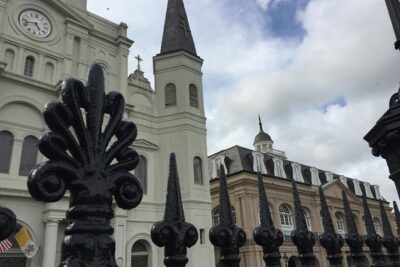 ★ 5.0French Quarter Historical Sights and Stories Walking TourFrom $352,724 reviews
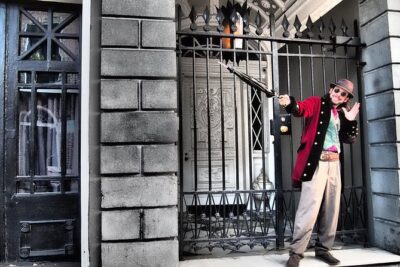 ★ 4.5Ghost and Vampire Walking Tour Of The French QuarterFrom $212,406 reviews
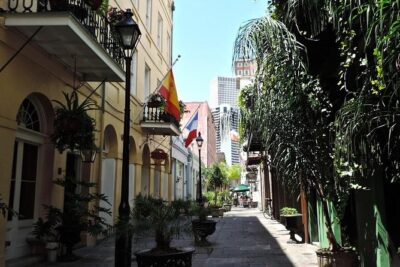 ★ 4.5City Tour: French Quarter, Garden District & CemeteryFrom $402,209 reviews
 ★ 5.0French Quarter Food Tour: Cajun, Creole and CultureFrom $811,246 reviews
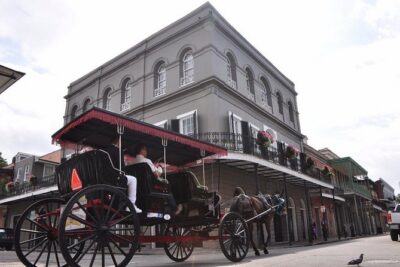 ★ 5.0French Quarter and More Carriage RideFrom $651,141 reviews
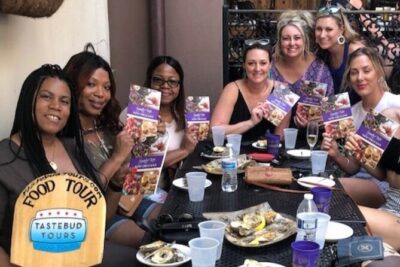 ★ 5.0French Quarter walking Food Tour Famous Flavors of New OrleansFrom $751,115 reviews
Browse the lists this tour appears in