
Reviewed · HISTORICAL TOURS
Crescent City History Tour
Bourbon Street history starts at a courtyard gate. For $35, you get a guided walk through the French Quarter, with stops around Jackson Square and the St. Louis Cathedral area that help you understand what you’re actually looking at. You also get clear, street-level context on voodoo—how it’s practiced, and the famous figures people connect to it. The main drawback: this is real walking on old, uneven streets, so you’ll want comfy shoes and a calm pace.
I like that the tour is built to be practical. It’s designed to help you piece together the city fast—landmarks, architecture, and the cultural mix that makes New Orleans feel like nowhere else. You’ll also have a guide who can shape the stories to your group; Cody, for example, handled a request from an NCIS fan and made sure the talk stayed age-appropriate for teens.
One thing to keep in mind: this tour does not promise private-site access. You’ll learn from the street view and key exteriors, and you shouldn’t plan on going inside places unless you’re doing separate ticketed stops on your own.
In This Review
- Key things to know before you go
- Meeting at Lafitte’s Courtyard Gate on Bourbon Street
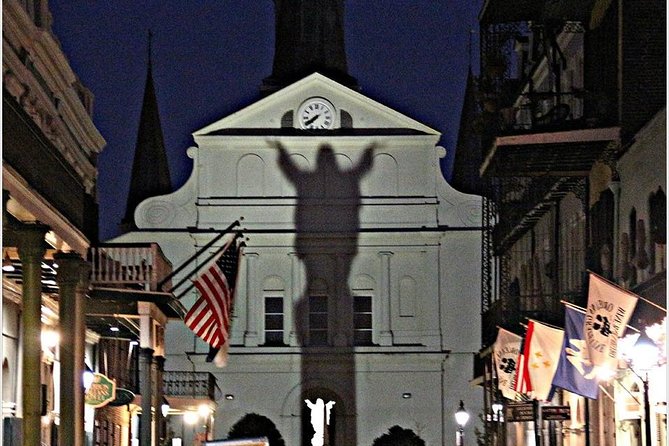
- Jackson Square to St. Louis Cathedral: Your Fast French Quarter Orientation
- Presbytere and Cabildo: Why These Buildings Matter
- Beauregard-Keyes House and the Story Behind the Streets
- Old Ursuline Convent Museum: Layers You Can Actually Notice
- Voodoo on the French Quarter Walk: Practices, Figures, and Context
- The Lafitte’s Start: How the Route Builds Momentum
- Time Slots and Group Vibe: Morning, Afternoon, or Evening
- Price and Value: What $35 Actually Buys You
- Practical Tips: Make the Walk Feel Easy
- Should You Book This Crescent City History Tour?
- FAQ
- Where does the tour meet?
- How long is the Crescent City History Tour?
- Is the tour mostly outside, or do you go inside locations?
- Are tickets and admission included?
- Are drinks included?
- Is the tour good for kids?
- What happens if the weather is bad?
Key things to know before you go
- Meeting point is specific: meet at the gate of the Lafitte’s courtyard on 941 Bourbon Street, not inside the bar.
- Jackson Square is the anchor: St. Louis Cathedral, plus the Presbytere and Cabildo area viewpoints.
- Voodoo is part of the story: you’ll hear about practices and well-known figures, explained in a tour-friendly way.
- No private entrances: it’s public-property sightseeing with narration, not trespassing.
- It’s flexible by time of day: morning, afternoon, and evening options let you match the heat and your schedule.
- Pace is moderate: the walk is scheduled for about 1–2 hours, but it can stretch if the route hits busy bars.
More ways to see the city in a day
- New Orleans City Sightseeing Hop-On Hop-Off Bus Tour★ 4.5 · 4,943 reviews
- New Orleans Sightseeing City Tour★ 5.0 · 3,038 reviews
- City Tour of New Orleans with Pickup★ 4.5 · 2,407 reviews
- New Orleans City Tour: French Quarter, Garden District & Cemetery★ 4.5 · 2,209 reviews
Meeting at Lafitte’s Courtyard Gate on Bourbon Street
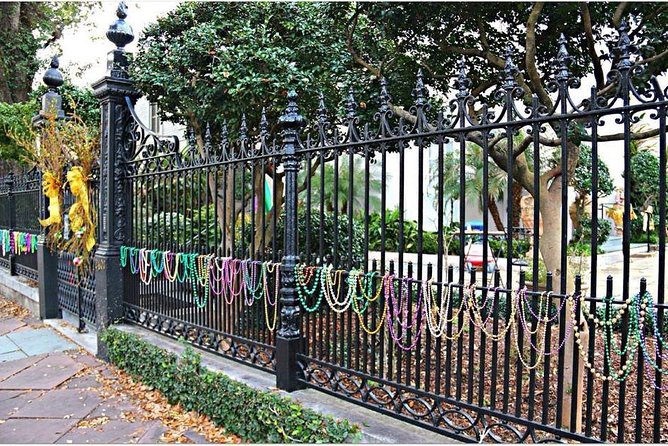
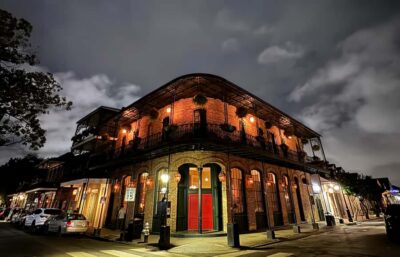
Most tours in the French Quarter start “somewhere on Bourbon.” This one is more precise. You’ll meet at 941 Bourbon St, at the gate of the courtyard attached to Lafitte’s Blacksmith Shop Bar. The key detail is where you do not go: tours do not meet inside Lafitte’s, and they do not meet on the street corner.
That matters because guides start on time. If you show up late, you can miss the group. Also, once the tour leaves, the guide can’t pause to answer phone calls while they’re leading and narrating. So I’d treat check-in like a flight: arrive a few minutes early, be ready to point at your ticket, and then fall into line.
Good news: the area is easy to find for first-timers because Bourbon Street is the reference point for everything. If you’re using transit, it’s also near public transportation, which helps if you’re hopping between sites.
Jackson Square to St. Louis Cathedral: Your Fast French Quarter Orientation
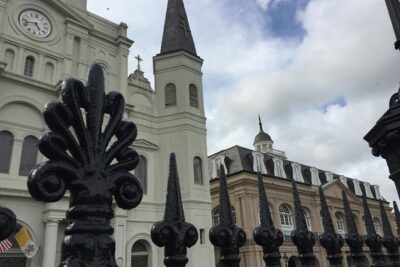
The French Quarter can feel like a maze when you first arrive. This tour gives you a clean mental map early, especially around Jackson Square.
As you walk through this area, you’ll pause long enough to actually look. That’s the real value of a guided history walk: you’re not just passing famous buildings, you’re learning what to notice.
Here’s what you can expect in practical terms:
- You’ll get pointed out the big visual landmarks in the square and the immediate surroundings.
- You’ll learn how these spots connect to the city’s development over time.
- You’ll get context that makes the architecture easier to read, instead of just taking photos and moving on.
The St. Louis Cathedral area is the kind of stop that makes your self-guided wandering smarter later. Even if you plan to return for a longer visit, this kind of guided “what am I seeing?” walkthrough helps you come back with purpose instead of confusion.
Presbytere and Cabildo: Why These Buildings Matter
From Jackson Square, the tour naturally flows into the orbit of two important civic/heritage landmarks: the Presbytere and Cabildo.
These buildings are easy to overlook if you’re focused on the postcard views. A guided walk changes that. You’ll hear the city-story angle—how New Orleans has used major public buildings to mark identity, power, and change over time.
Also, the Presbytere and Cabildo area is a smart place to practice “look, then listen.” The photos are great, but the narrations are what turn the buildings into something more than scenery. You’ll leave with a better sense of what roles these places played, and why people still refer to them when they talk about the city’s past.
Beauregard-Keyes House and the Story Behind the Streets
The tour continues with stops tied to the city’s homes and institutional history, including the Beauregard-Keyes House.
This is the part of the walk where history starts to feel less like dates and more like character. You’ll see architecture that reflects social rank, different eras, and changing neighborhoods. And because the tour stays focused on what you’re seeing from the street, you get to keep moving without getting bogged down in paperwork or ticket lines.
A small benefit for repeat visitors: even if you’ve been to the French Quarter before, a guided interpretation can reframe what you thought you already knew. The same façades can mean different things when someone explains the “why” behind them.
More of the city's three centuries


Old Ursuline Convent Museum: Layers You Can Actually Notice
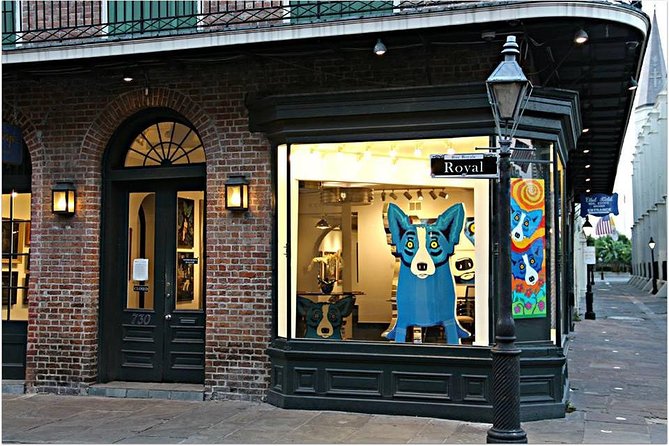
Another stop on the route is the Old Ursuline Convent Museum area. This is one of those New Orleans locations where the city’s multiple layers become obvious if you have someone to narrate the connections.
Even when you’re not going inside a building, you can still learn a lot from exterior cues—placement, style, and how sites relate to the surrounding street grid. That’s what works about this tour format: it doesn’t require you to squeeze in multiple separate museum tickets to feel like you’ve learned something real.
If you love cultural history, this stop tends to click because it connects religious and community threads to the city’s longer timeline. You’ll finish this stretch with a better sense of how New Orleans formed its identity from more than one influence.
Voodoo on the French Quarter Walk: Practices, Figures, and Context
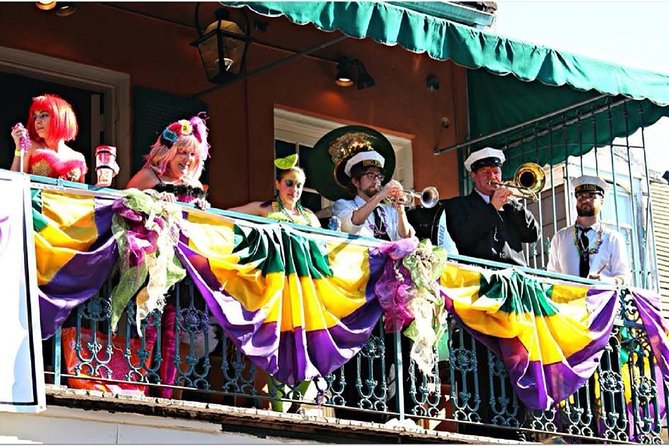
One of the headline themes here is voodoo—what people mean by it, how it’s practiced, and which famous figures are commonly connected to it.
This isn’t presented as movie-style folklore. Instead, you get tour-friendly context so you can understand why the topic shows up in stories, neighborhoods, and even modern pop culture. That helps you avoid the two extremes: thinking it’s all superstition, or treating it like a simple gimmick.
Also, you’ll get a sense of why guides include voodoo in a French Quarter history tour. New Orleans history isn’t just about who had power in government—it’s also about culture, belief systems, and how communities preserved meaning through hardship.
Just keep your expectations grounded. If you’re hoping for supernatural proof, the tour is clear that it can’t guarantee paranormal experiences. You’ll get the human history and cultural context either way, and that’s a solid reason to book even if you don’t catch any spooky vibes.
The Lafitte’s Start: How the Route Builds Momentum
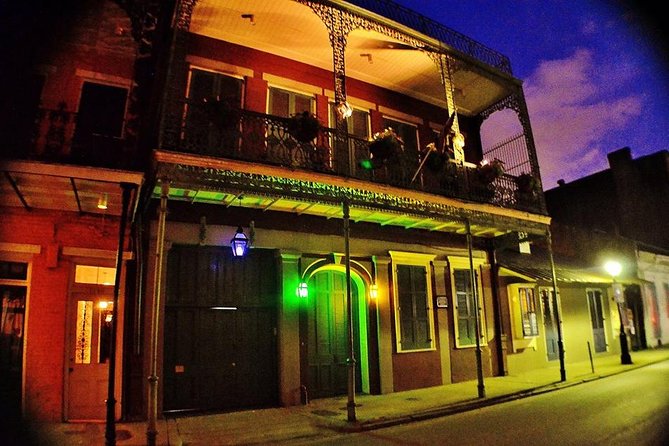
The tour begins at the courtyard gate attached to Lafitte’s Blacksmith Shop Bar. That’s not just a meet-and-greet trick—it’s a clever way to start in a place that screams French Quarter energy.
But do note the boundaries: the tour doesn’t meet inside the bar, and it’s not a “hang out and drink” tour. Drinks are for purchase along the route, but they’re not included. If your group wants a drink break, you can grab one, just don’t let it break the schedule.
The route uses a moderate walking pace so the guide can hit the key landmarks within about 1 to 2 hours. The walk time can stretch if stops run long, especially if the route passes by bars that are busy. That’s normal here—New Orleans has a way of slowing time.
Time Slots and Group Vibe: Morning, Afternoon, or Evening
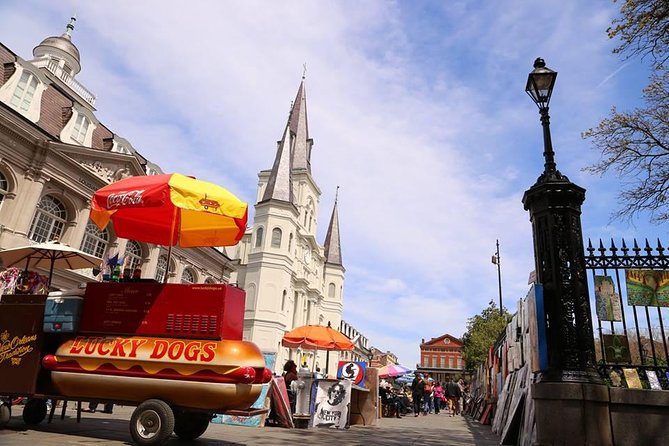
You can choose from morning, afternoon, and evening tour times. That matters more than it sounds. The French Quarter changes throughout the day, and your comfort changes even faster with temperature and humidity.
Morning can be great if you want fewer crowds and more energy. Evening can feel more atmospheric, especially around the square and the main photo stops. Afternoon often works best for people who want to fit the tour between other plans without rushing.
Group experience can vary too. One highlight from the trip reports I saw: guides can tailor the pacing to the group, and you might even end up with a smaller group feel on some departures. So even though it’s a group tour, you’re not guaranteed a stiff, lecture-only vibe.
Price and Value: What $35 Actually Buys You
At $35 per person, this tour is priced like a smart add-on rather than a big splurge. The value comes from combining several high-demand sights into one walk, with a guide to connect them.
Instead of:
- paying separately for multiple guides,
- bouncing between sites solo without context,
- or relying on random signage that explains almost nothing,
you get a planned route that focuses on interpretation—landmarks, architecture, and the cultural stories behind them. And because drinks are not included, you can control your spending by skipping alcohol if you want.
What you should budget for:
- Drinks along the way (optional)
- Tips (gratuities are recommended)
- Separate museum entry if you want to go inside beyond what this street-based tour covers
In short, if you want the “starter kit” for the French Quarter—fast and guided—this is a reasonable price.
Practical Tips: Make the Walk Feel Easy
Here’s how to set yourself up for success on this kind of New Orleans walk:
- Wear shoes that handle uneven pavement. The French Quarter has character. It also has trip hazards.
- Bring a little water strategy. Hot weather happens a lot.
- Plan to stay with the group. The tour doesn’t allow walking off to take extra photo stops that pull you away from the scheduled narration.
- If you’re traveling as a family, keep in mind children under 18 need a parent or guardian unless authorized by the guides, and some bars may not allow children inside.
If you’re the type who likes capturing the day, photos are encouraged. Audio or video recording devices aren’t allowed during the tour, so focus on still photos and the narration in your head.
Should You Book This Crescent City History Tour?
Book it if you want a guided French Quarter walk that gives you structure fast: where to look, what to notice, and how the city’s cultural threads tie together. This works especially well for first-timers who feel overwhelmed by the sheer number of landmarks.
Skip it or pair it differently if you’re hoping for lots of indoor museum time or private-access sightseeing. This tour is built for public-property storytelling and walking momentum.
If you’re open to a moderate walk, want a history guide who can explain voodoo in context, and like the idea of getting your bearings around Jackson Square quickly, this is an easy yes at $35.
FAQ
Where does the tour meet?
You meet at the gate of the courtyard attached to Lafitte’s Blacksmith Shop Bar at 941 Bourbon Street, New Orleans, LA 70116. The tour does not meet inside the bar or at a street corner.
How long is the Crescent City History Tour?
It runs about 1 to 2 hours, at a moderate walking pace. It may run longer if the route hits busy spots and causes delays.
Is the tour mostly outside, or do you go inside locations?
The tour stays on public property and does not include entry into private locations. It is a walking tour with narration focused on what you can see along the way.
Are tickets and admission included?
The tour includes an admission ticket as part of the tour inclusions.
Are drinks included?
No. Drinks are available to purchase along the route.
Is the tour good for kids?
Children under 18 are not admitted without a parent or guardian unless authorized by the tour guides. Also, some bars on the route may not allow children.
What happens if the weather is bad?
Tours are rain-or-shine events, but if the tour is canceled due to poor weather, you’ll be offered a different date or a full refund.
More City Sightseeing

More Tours in New Orleans


More Tour Reviews in New Orleans
Just added to The New Orleans Traveler


Historical Tours, compared.
 ★ 5.0Garden District History Walking TourFrom $352,879 reviews
 ★ 5.0French Quarter Historical Sights and Stories Walking TourFrom $352,724 reviews
 ★ 4.5Small-Group Haunted History Carriage TourFrom $652,289 reviews
 ★ 4.5Haunted History Ghost TourFrom $302,084 reviews
 ★ 4.5Paddlewheeler Creole Queen Historic Mississippi River CruiseFrom $471,948 reviews
 ★ 5.0Food and History Walking TourFrom $851,544 reviews
 ★ 4.3Creole Queen History Cruise with Optional LunchFrom $471,112 reviews
 ★ 5.0Cocktail and Food History TourFrom $160819 reviews
Browse the lists this tour appears in