
Reviewed · FOOD TOURS
The Premier New Orleans Food Tour
Your French Quarter stomach will thank you.
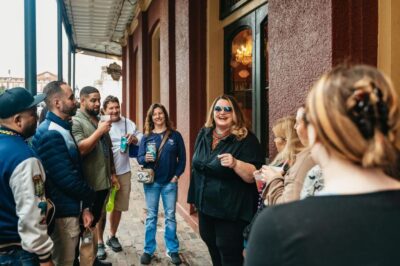
I love how this small-group tour (max 12) turns eating into a guided walk through New Orleans classics, with explanations from guides like Naïf and Heidi. I also like the Creole vs Cajun lesson, because it helps you taste more than just food—you start noticing techniques, sauces, and origins as dishes show up one after another.
One catch to plan for: the food amount is substantial, and during busy periods you may experience waiting between stops, which can slow the flow even if the tour stays 3 hours.
In This Review
- Key Things to Know Before You Go
- Price and Value: What $81 Buys You in Real Food
- Meeting at Market Cafe and Ending at Tujague’s: Why This Route Matters
- 3 Hours in the French Quarter: Pacing, Waiting, and How to Handle It
- Creole vs Cajun: The Lesson That Changes How You Taste Everything
- Starter Stops: Gumbo and Crawfish Étouffée
- Red Beans and Rice: A New Orleans Favorite, Not Just a Side
- Jambalaya and the Rice Connection You’ll Notice Right Away
- Muffuletta vs Po’ Boy: Two Sandwich Cultures, One Afternoon
- The Seafood-or-Classic Étouffée Moment: Picking Up the Thread
- Pecan Praline Dessert: The Sweet Finish That Sticks
- Guides, Group Size, and Why You’ll Leave With Better Restaurant Instincts
- What’s Included, What’s Not, and How to Plan Your Own Meal
- Who Should Book This Tour (and Who Might Want to Skip It)
- Should You Book the Premier New Orleans Food Tour?
- FAQ
- What is the start time and where do I meet?
- Where does the tour end?
- How long is the tour?
- How many people are in the group?
- What food is included?
- Are alcoholic drinks included?
- Can the tour accommodate dietary restrictions?
- Does it run in bad weather?
Key Things to Know Before You Go
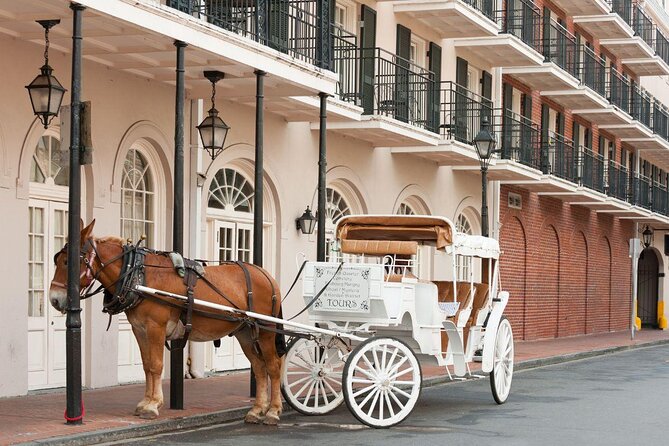
- French Quarter walking stays manageable: short blocks, but wear comfortable shoes and bring an umbrella.
- You get a real tasting menu: gumbo, crawfish étouffée, red beans and rice, jambalaya, muffuletta, Po’ boy, seafood or classic étouffée, and pecan praline.
- Creole vs Cajun is part of the meal: you’ll learn what separates the cooking styles and why rice and sauces matter.
- Small group pacing means more questions: you’re not shouting across a crowd.
- Dietary restrictions can be handled: add needs at checkout so the team can accommodate you.
Still hungry? More gumbo, po'boys and beignets
- New Orleans Food Walking Tour of the French Quarter with Small-Group Option★ 5.0 · 6,118 reviews
- New Orleans Food and History Walking Tour★ 5.0 · 1,544 reviews
- New Orleans French Quarter Food Tour: Cajun, Creole and Culture★ 5.0 · 1,246 reviews
- French Quarter walking Food Tour Famous Flavors of New Orleans★ 5.0 · 1,115 reviews
Price and Value: What $81 Buys You in Real Food
At $81 per person for about 3 hours, you’re paying for three things: access, structure, and a lot of food.
First, access. In the French Quarter, it’s hard to know where to go for true local dishes without ending up in the wrong line or the wrong menu. This tour solves that with set stops and licensed guides who know where the classics are served.
Second, structure. You’re not just eating random samples. The tour sequence is designed to connect dishes—gumbo to rice-based meals, rice-based meals to sandwiches, then closing with pralines. Even if you’ve had New Orleans food before, the flow makes it easier to remember what you ate and why it’s associated with the city.
Third, food quantity. The sample menu alone points to filling portions across multiple courses (starters, mains, and dessert). Most people will leave thinking about dinner as more of a snack situation. If you love trying several dishes in one afternoon, this price usually feels fair.
The two costs you’ll manage yourself: alcoholic drinks are not included, and gratuities are optional (but appreciated). If you’re the kind of traveler who tips based on service, this tour gives you plenty of reasons to do so.
Meeting at Market Cafe and Ending at Tujague’s: Why This Route Matters
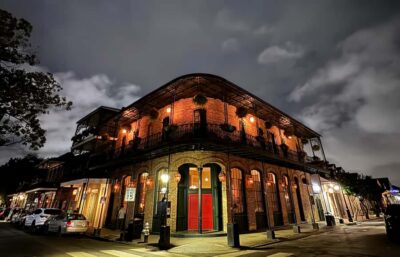
You meet at Market Cafe (1000 Decatur St) at 1:00 pm, and you finish at Tujague’s (429 Decatur St). That matters because the tour is built like a French Quarter loop: short distances, lots of context, and a final meal-friendly landing spot in a central area.
The route choice also affects your comfort. This is moderate walking, with blocks kept short in the historic French Quarter. Still, you should plan for uneven sidewalks and summer heat. I’d show up with comfortable shoes and expect a bit of sidewalk time—then relax because the pace is designed for a small group.
You’ll also get a mobile ticket, which is handy when you’re moving through crowds and changing plans around weather. The tour runs rain or shine, but severe weather can trigger cancellation with notification about two hours ahead. When that happens, you’ll be offered a different date or a refund.
3 Hours in the French Quarter: Pacing, Waiting, and How to Handle It
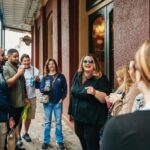
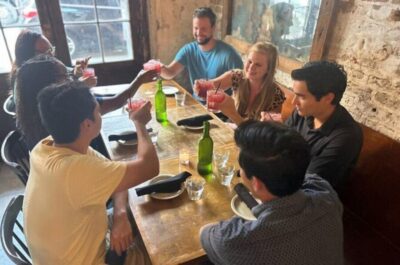
The tour is about 3 hours, and the walking part generally feels manageable because the stops are close together. The small group cap (12 travelers) is a real quality-of-life upgrade here. In a larger group, you spend more time tracking the crowd. In this one, you’re more likely to keep up, ask questions, and hear the guide without straining.
That said, the French Quarter can be packed. If restaurants are busy, you can hit short waits during the switchovers between tastings. I’d treat that as part of the reality of New Orleans, not a failure of the tour. The practical move: don’t plan a tight next reservation the minute the tour ends. Give yourself a little breathing room.
Also, expect to feel full. Multiple savory dishes plus pralines are not subtle. If you arrive starving and then add alcohol to the mix, you’ll feel it fast. If you arrive with a light lunch already in place, you might feel more comfortable—especially in warm weather.
Creole vs Cajun: The Lesson That Changes How You Taste Everything
This tour specifically sets aside time to explain the difference between Creole and Cajun dishes as you walk and eat.
Why that matters is simple: the labels aren’t just trivia. When you understand what separates the styles—how flavors are built, how sauces work, and what rice-based structure is common—you start tasting with intention.
For example, you’ll see how many classic dishes in South Louisiana lean on one-pot cooking and rice, which helps make the food feel cohesive across the meal. You’ll notice how gumbo has its signature thick, savory backbone. You’ll taste how étouffée-style dishes lean into gravy-like richness. And then you’ll see how those same flavors echo again later in sandwiches.
This is also why the tour often works well for first-timers. You get enough context to order better on your own afterward. Even if you never memorize the definitions, you’ll carry a better instinct for what to look for on menus.
More to eat and drink around town

Starter Stops: Gumbo and Crawfish Étouffée
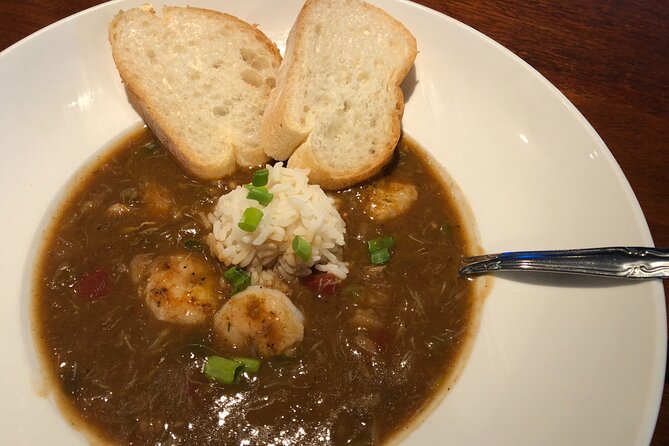
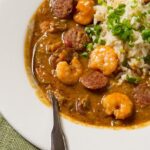
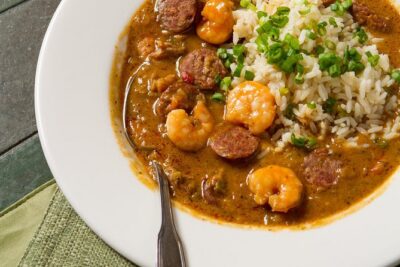
The tasting starts with gumbo. Gumbo is the kind of dish that can feel different depending on the place: thickness, spice level, and the balance between seafood, sausage, and other additions. On this tour, you’re tasting it as a starting point—so you can understand the flavor “language” before moving to other rice-heavy dishes.
Next comes crawfish étouffée. This is one of those New Orleans classics that feels like comfort food with a serious sauce. The key is the way the dish coats everything—especially if it’s served over rice. One stop is tied to Pierre Maspero’s, where crawfish étouffée is part of the plan.
If you’re sensitive to spice, this is where you should be clear with your guide or the staff. The tour accommodates dietary restrictions (you’ll want to add needs in the Special Requirements field at checkout), but spice tolerance is still something you can manage day-of by speaking up early.
Red Beans and Rice: A New Orleans Favorite, Not Just a Side
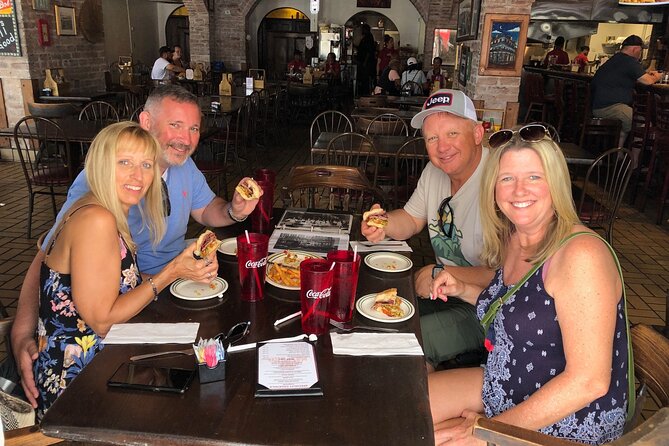
Then you hit red beans and rice, which is a dish that tells you a lot about everyday New Orleans cooking. This is not a fancy concept dish. It’s practical, filling, and built for routine. That’s part of the point: New Orleans food isn’t only about special-occasion meals.
As you taste it in the middle of the tour, you’ll also start understanding the rhythm. You’re moving from thick stews and rich gravies into another rice-based comfort dish. The guide’s explanation helps you see these as part of a broader local cooking approach rather than isolated plates.
A useful tip for you: if you want to recreate this at a restaurant later, pay attention to the bean flavor and the seasoning level, not only the spice heat. Red beans and rice can be mild or bold depending on how the seasoning is built.
Jambalaya and the Rice Connection You’ll Notice Right Away
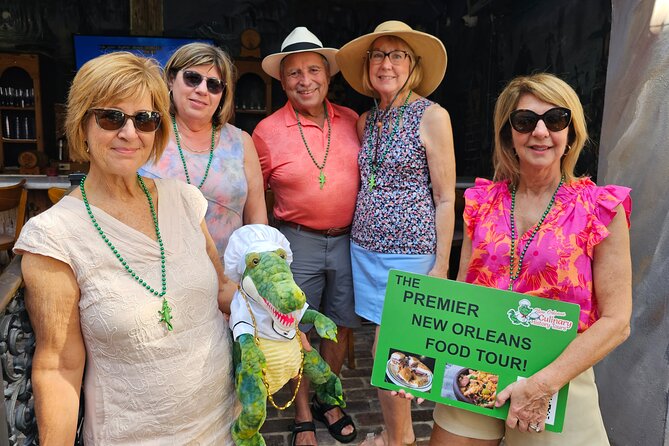
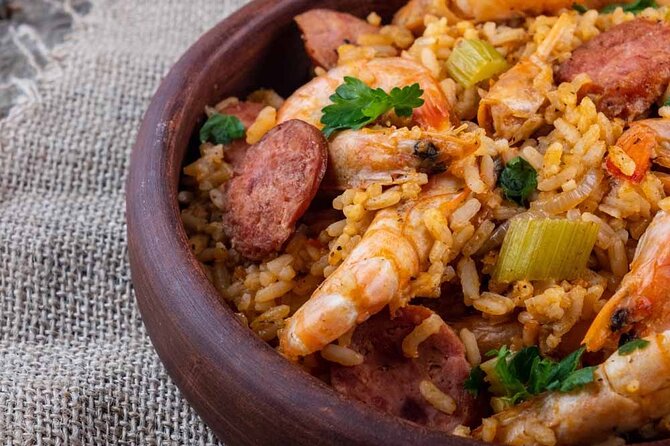
Next up: jambalaya. Jambalaya is the kind of dish that can look like it’s “just rice,” but it’s never just rice. The flavors are layered into the grains, and the whole dish feels like one continuous bake or simmer.
What I like about including jambalaya here is timing. By the time you get it, you’ve already tasted gumbo and étouffée, so you have a baseline. That makes it easier to compare texture and spice delivery across dishes.
You’ll also walk away with a better ordering strategy. If you later see jambalaya on a menu and you’re wondering whether it’s worth it, your tour experience helps you judge quality faster: the aroma, the seasoning distribution, and whether the rice tastes like it was cooked with the dish rather than topped at the end.
Muffuletta vs Po’ Boy: Two Sandwich Cultures, One Afternoon
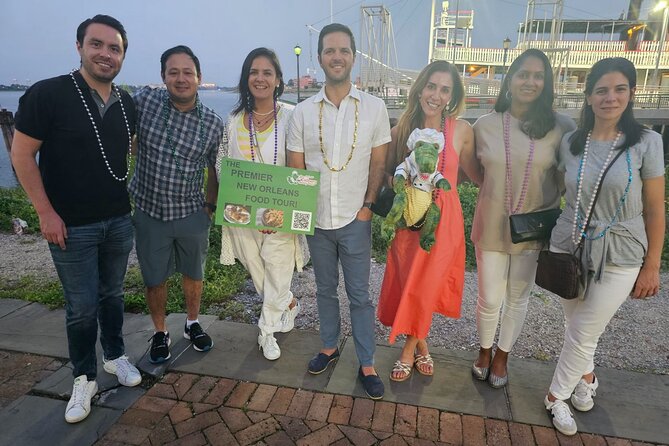
After the rice dishes, you shift into a very New Orleans experience: sandwiches.
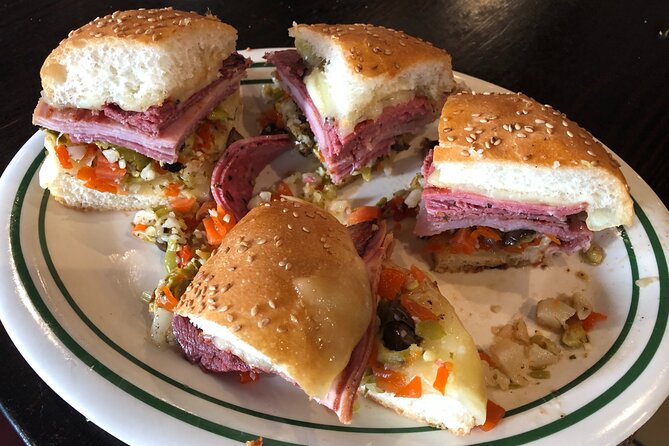
First is the muffuletta—not just a sandwich, but a heavily seasoned, Sicilian-influenced style that’s common in New Orleans. On this tour it’s highlighted as a favorite for a reason: the flavor is concentrated, and you get that signature feel from the fillings.
Then comes a Po’ boy. Expect it to feel different right away—more straightforward, often more focused on the filling and texture. The Po’ boy is where you’ll start thinking about how New Orleans uses bread as a vehicle for sauce and crunch.
This part is also where the guide’s explanations tend to land best. When you hear how these styles connected to immigration and local food habits, the sandwich choices stop being random. They become two different ways of building a meal in the same city.
The Seafood-or-Classic Étouffée Moment: Picking Up the Thread
The sample menu also includes seafood or classic étouffée as one of the main tastings. This acts like a bridge. You’ve already eaten étouffée flavor structure once, and this additional tasting reinforces what makes it work: that thick, savory gravy and how the dish feels spoonable and comforting.
If you love seafood, this is your moment. If you’re aiming for something classic and less finicky on flavor, classic étouffée may fit better. Either way, you’ll leave with a stronger understanding of how this cooking style shows up across multiple dishes.
Pecan Praline Dessert: The Sweet Finish That Sticks
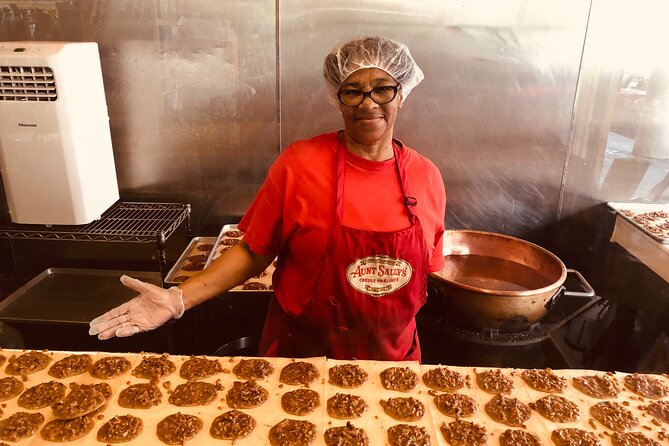
To wrap up, you get pecan praline. This is the kind of New Orleans dessert that sticks with you, partly because it’s unmistakably local in flavor and texture.
The praline finish also makes sense at the end of the tour. You’ve had savory, rich dishes for hours. Sweet, nutty praline becomes the palate reset that feels like a natural closing act, not an afterthought.
You may also encounter a boxed praline stop such as Aunt Sally’s for take-home sweetness. Even if you don’t do anything with it right away, it’s a nice way to extend the tour beyond the final stop.
And yes, you’ll likely want to pace yourself. People often underestimate pralines because they look small. They’re sweet, and they’re dense.
Guides, Group Size, and Why You’ll Leave With Better Restaurant Instincts
The tour runs with professional licensed guides, and the guide names that show up again and again in the experience are Naïf, Heidi, Larry, Elizabeth, and Bryon/Brion. The biggest common thread is personality plus storytelling, not just facts.
This matters because food tours are only half about taste. The other half is how you learn to read a menu afterward. You’ll get recommendations for dining in the city on your own, and that can save you time and money the rest of your trip.
Small group size also helps. With max 12 travelers, you’re more likely to get answers to specific questions like how a dish is typically prepared, what to order if you’re avoiding certain ingredients, and how Cajun and Creole styles differ in practice.
What’s Included, What’s Not, and How to Plan Your Own Meal
Included:
- All food samplings
- Local professional licensed tour guides
- Dietary restrictions can be accommodated with advance details
Not included:
- Alcoholic drinks (you can purchase along the way)
- Gratuities (optional, but appreciated)
For planning, this is the smart way to think about it: treat the tour as a full meal plan. If you want a dessert later, save it, because pralines already arrive at the end. If you want alcohol, consider going light, because the tastings are filling.
Dietary needs are supported. The practical move: submit requirements during checkout in the Special Requirements field so the team can adjust ahead of time. If you have allergies, I’d also contact the provider after booking to be extra safe.
Who Should Book This Tour (and Who Might Want to Skip It)
You’ll likely love this tour if:
- You want a structured French Quarter food experience without guessing where to eat
- You care about the difference between Creole and Cajun cooking
- You’re excited to try several iconic dishes in one afternoon
- You prefer a small group pace where questions are welcomed
You might want to skip or rethink if:
- You hate eating a lot in one sitting
- You’re sensitive to noise and crowd conditions in popular areas
- You have trouble hearing soft-spoken narration (a small number of people flagged volume clarity)
If you’re on the fence, think about this: you’re paying for guided context plus multiple tastings. If you want only one or two bites and then a long sightseeing walk, you may feel full too fast.
Should You Book the Premier New Orleans Food Tour?
If you’re doing New Orleans for the food first and you want help turning menus into smart choices, I’d book it. The combination of small-group pacing, a strong set of local classics, and the Creole vs Cajun explanations is exactly what makes this kind of tour worth your time.
Go in hungry, wear comfortable shoes, and leave room in your afternoon for a slower moment if crowds make restaurants run behind. With that mindset, you’ll finish at Tujague’s full, informed, and ready to order like you live here for the rest of your trip.
FAQ
What is the start time and where do I meet?
The tour starts at 1:00 pm. You meet at Market Cafe, 1000 Decatur St, New Orleans, LA 70116.
Where does the tour end?
The tour ends at Tujague’s, 429 Decatur St, New Orleans, LA 70130.
How long is the tour?
It lasts about 3 hours.
How many people are in the group?
The maximum group size is 12 travelers.
What food is included?
The sample menu includes gumbo, crawfish étouffée, red beans and rice, jambalaya, muffuletta sandwich, Po’ boy sandwich, seafood or classic étouffée, and pecan praline for dessert.
Are alcoholic drinks included?
No. Alcoholic drinks are not included, but you can purchase them along the way.
Can the tour accommodate dietary restrictions?
Yes. You can add dietary restrictions to the Special Requirements field during checkout, or contact the provider after booking with your specific needs.
Does it run in bad weather?
The tour runs rain or shine. In case of severe weather, the company may cancel and notify you about two hours ahead. If canceled due to poor weather, you’ll be offered a different date or a full refund.
More Tours in New Orleans



More Tour Reviews in New Orleans

More Ways to Eat New Orleans



Just added to The New Orleans Traveler


Food Tours, compared.
 ★ 5.0Food Walking Tour of the French Quarter with Small-Group OptionFrom $756,118 reviews
 ★ 5.0Food and History Walking TourFrom $851,544 reviews
 ★ 5.0French Quarter Food Tour: Cajun, Creole and CultureFrom $811,246 reviews
 ★ 5.0French Quarter walking Food Tour Famous Flavors of New OrleansFrom $751,115 reviews
 ★ 5.0Delicious Donuts & Beignets: A Sweet Walking TourFrom $70928 reviews
 ★ 5.0Cocktail and Food History TourFrom $160819 reviews
 ★ 4.9French Quarter Food History Walking TourFrom $85713 reviews
 ★ 4.5French Quarter walking Food Tour: Signature Tastes of New OrleansFrom $85592 reviews
Browse the lists this tour appears in