

Reviewed · GARDEN DISTRICT TOURS
New Orleans: Tombs and Mansions of the Garden District
New Orleans has a way of turning sidewalks into secrets. This Garden District tour strings together cemetery mood, famous facades, and architecture stories you’ll actually remember, plus photo stops tied to American Horror Story. I especially love the mix of big names and true local history, from Nicolas Cage-area lore to the Merrick-Jones House thread reaching beyond New Orleans. One thing to factor in: it’s a tight 2 hours on foot, so you’ll want comfortable shoes and the ability to walk more than a mile.
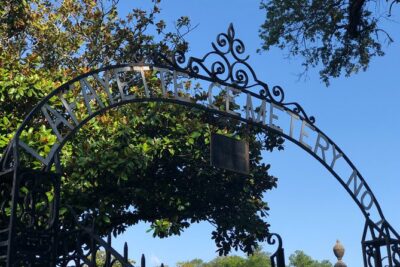
You start at Lafayette Cemetery and end with a clearer sense of why Uptown’s streets look the way they do. A strong guide makes it click, and on at least one departure Craig has been praised as an engaging historian who knows which details deserve to be told. If you’re hoping for a long, slow stroll with tons of time inside buildings, this probably won’t fit; it’s built for walking, stopping, and learning the stories between them.
In This Review
- Key points I’d plan around
- Where the Garden District Stories Really Live
- Starting at Colonel Short’s Villa: Find the Marker, Then Relax
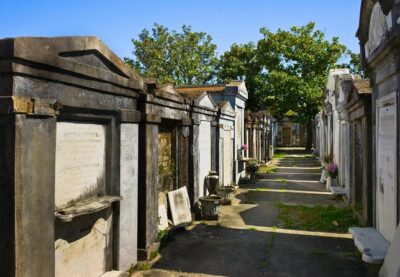
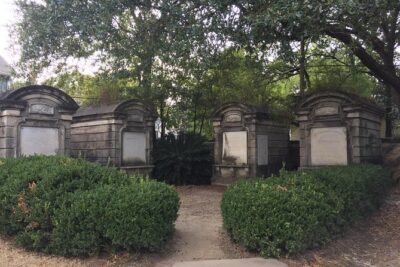
- Lafayette Cemetery: Above-Ground Tombs That Set the Mood
- Prytania Street and Celebrity Lore You Can Actually Place
- The Merrick-Jones House and the Manson Murders Thread
- The Swill Milk Scandal: Why This City Helped Create Food Safety
- Spotting Styles: Greek and Gothic Architecture on the Street
- American Horror Story at Jackson Avenue: Photo Time with a Purpose
- Bonus Stops That Add New Orleans Flavor Fast
- 2 Hours on Foot: Timing, Pace, and the Comfort Reality Check
- Price and Value: What $38 Buys You in Real Terms
- Who Should Book This Garden District Tombs and Mansions Tour
- Final verdict: Should you book?
- FAQ
- How long is the tour?
- What does the tour cost?
- Where do I meet the guide?
- Is transportation included?
- Does the tour run in bad weather?
- What should I wear or bring?
Key points I’d plan around
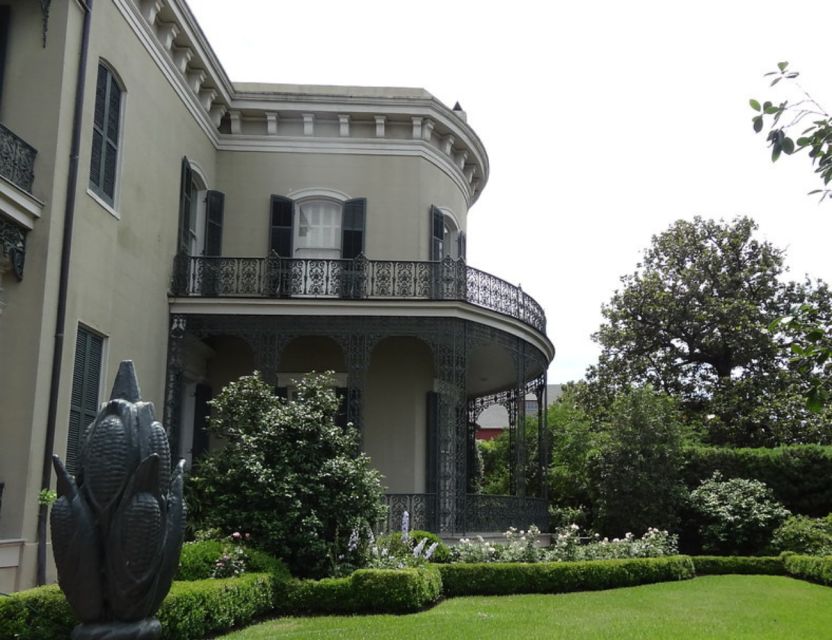
- Lafayette Cemetery: above-ground tombs and the chilling context that sets the tone for everything else
- Prytania Street stops: celebrity-adjacent New Orleans lore tied to real places
- Merrick-Jones House connection: a famous house linked to the Manson Murders story thread
- American Horror Story photo moments: the Jackson Avenue mansion used as Robichaux Academy for Witches
- Greek and Gothic architecture: you’ll learn how to spot styles on the street
- Small-group feel: the tour can run intimate (even down to very small groups on some days)
Keep strolling the oak-lined Garden District
- New Orleans Garden District History Walking Tour★ 5.0 · 2,879 reviews
- New Orleans City Tour: French Quarter, Garden District & Cemetery★ 4.5 · 2,209 reviews
- New Orleans Small-Group Garden District Walking Tour★ 5.0 · 1,384 reviews
- New Orleans City and Cemetery Tour with Garden District Stroll★ 4.5 · 766 reviews
Where the Garden District Stories Really Live

The Garden District is one of those parts of New Orleans where beauty and weirdness share the same address. You’ll see mansions, ironwork, and tidy streets that look designed for a postcard. But the real payoff is what happens when someone connects the buildings to people, scandals, and city shifts.
This tour is built like a guided “walk through the plot.” You’re not just looking at pretty homes. You’re learning why these places ended up with the reputations they have. And because it’s focused on architecture and specific local stories, you come away with a sense of how New Orleans thinks and builds—not just what it looks like.
Starting at Colonel Short’s Villa: Find the Marker, Then Relax
Meet your guide at the historical marker for Colonel Short’s Villa, at 1448 Fourth Street. Getting that part right matters because the schedule runs on a walking plan. Once you locate the marker, the tour moves quickly from “setting the scene” to the first major stop.
If you’re coming from elsewhere in Uptown, plan a little extra time to get oriented before the start. You’ll be on your feet rain or shine, and you’ll want your legs ready for short stretches between stops. Also note the tour doesn’t include transportation. You’ll need to handle getting to the meeting point yourself.
One practical plus: the experience includes an express security check to help you get through faster at relevant sites. That’s a small thing, but it can save real time in a place where lines form.
Lafayette Cemetery: Above-Ground Tombs That Set the Mood
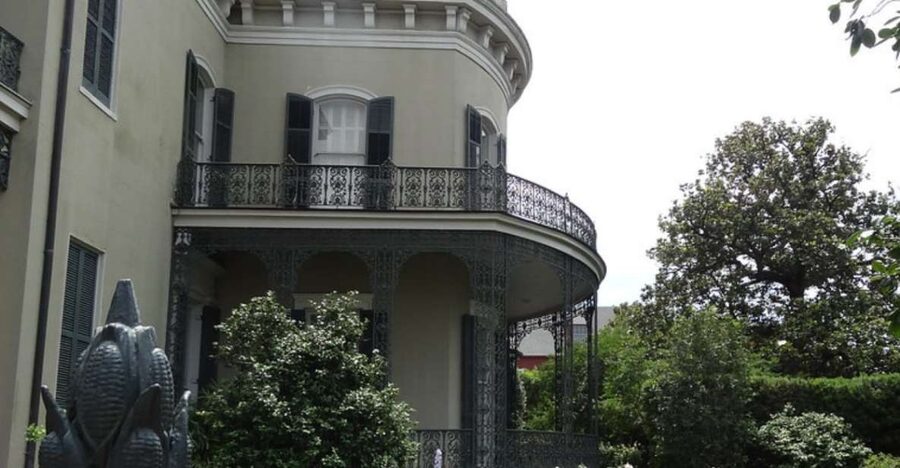
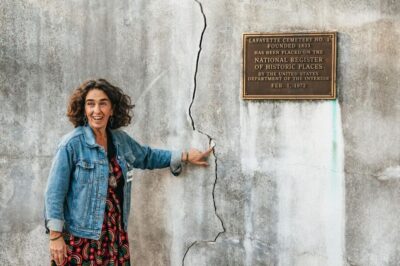
Lafayette Cemetery is where the tone gets serious. You’ll start here for a reason: the Garden District isn’t just fancy homes. It’s also a landscape of remembrance, fear, and local tradition.
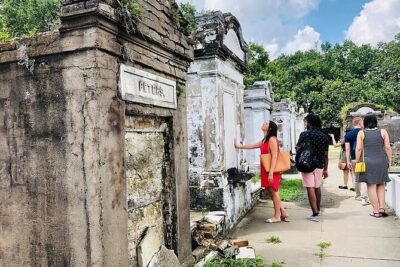
What makes Lafayette special is the layout and the way the dead are kept above ground. That changes the whole feel of the cemetery. It’s not “cemetery as a distance.” It’s cemetery as close-up atmosphere—more like walking beside a living story.
You’ll also get context on how New Orleans approaches burial practices, which helps you understand why the cemetery feels so much like part of daily city life. It’s a strong way to begin because you’ll later notice how the city repeats themes: family legacy, reputation, and the way the past keeps showing up.
Prytania Street and Celebrity Lore You Can Actually Place
After Lafayette, you’ll work your way down to Prytania Street. This is where the tour leans into the fun side: famous houses and recognizable names tied to real addresses.
One of the reasons I like this part of the route is that it uses celebrity associations as a map to local history. You’ll hear stories connected to Nicolas Cage and New Orleans families, and the tour turns that attention outward—away from rumor, toward place.
You’ll also see how the Garden District’s status comes through the details: the scale of homes, the design choices, and the relationship between property and street. Even if you’re not a “history person,” Prytania is a street where you can feel the status game. The guide helps you read it.
More walks among the above-ground tombs




The Merrick-Jones House and the Manson Murders Thread

This stop is one of the most unusual angles on the tour: the Merrick-Jones House, tied to the Manson Murders story. Whether you came for architecture or for true-crime-adjacent intrigue, this is the point where the tour becomes extra memorable.
The value here isn’t that the guide throws shock value at you. It’s that you learn how New Orleans homes can carry story baggage far beyond local boundaries. A building becomes a reference point in a larger national narrative, and suddenly you’re looking at the same kind of storytelling you’d find in books—except you’re standing in front of it.
If you’re the type who likes connecting pop culture, crime stories, and real geography, you’ll probably light up at this part.
The Swill Milk Scandal: Why This City Helped Create Food Safety
Then you’ll hit one of those moments that makes you respect New Orleans as more than a party postcard: the “swill milk” scandal.
It may sound like a weird topic for a mansion tour, but it’s exactly the point. The Garden District—and New Orleans generally—was built by people who argued, legislated, and reacted to the messiness of everyday life. When food safety became a national conversation, it wasn’t abstract. It came from real failures and real public pressure.
By the time you understand what the swill milk scandal led to, it changes how you view the city’s later institutions. You start seeing the practical side behind the charm.
Spotting Styles: Greek and Gothic Architecture on the Street
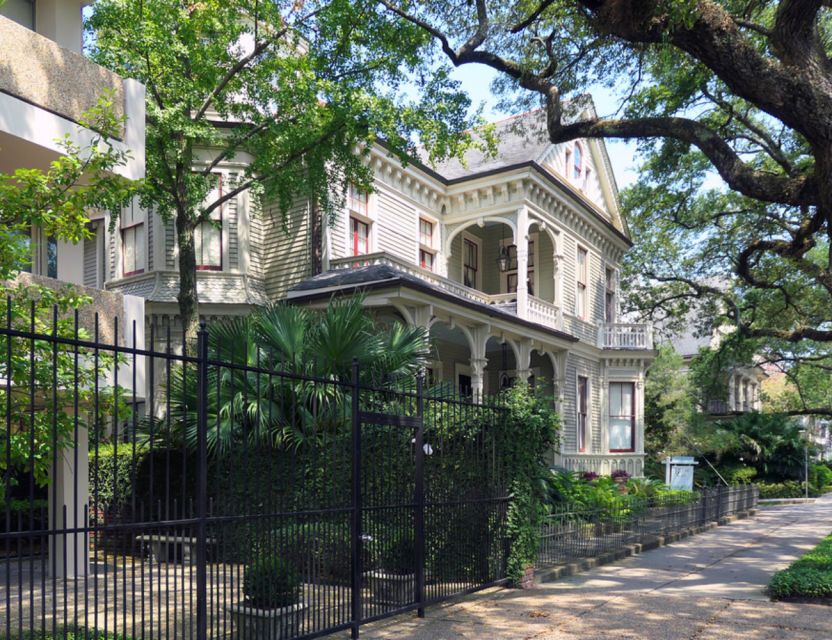
A big reason this walking tour works is the architectural coaching. You’ll explore Greek and gothic-style architecture, and the guide explains what you’re seeing and why it mattered.
Instead of vague “pretty building” talk, you learn to identify traits. That’s huge for two reasons.
First, it turns every block into a mini lesson. You stop passing homes like background scenery and start reading them. Second, it makes the stories stick. A scandal or a family name makes more sense when you can picture the design choices and the era they signal.
Garden District architecture is a language. On this tour, you get a starter dictionary.
American Horror Story at Jackson Avenue: Photo Time with a Purpose
If you watch American Horror Story, Jackson Avenue is the stop you’ll remember. You’ll see the real mansion that served as Robichaux Academy for Witches, and you’ll get time to snap pictures at this famous filming location.
I like that the tour doesn’t treat pop culture like a gimmick. It uses the show as an entry point, then anchors you back to real place. That matters because it keeps you from zoning out at the photo moment. You’ll hear how the building fits into the neighborhood’s character, not just the show’s aesthetic.
Bring your phone camera and be ready for street-side angles. Residential facades can have constraints depending on where you’re standing, so follow the guide’s directions for the best shots.
Bonus Stops That Add New Orleans Flavor Fast
You may also get bonus stops along the way. One specifically mentioned: the Eiffel Society Building, a place that used to sit above the Eiffel Tower with a restaurant. That kind of detail is pure New Orleans—global ideas, local twists, and weird-but-true history that somehow fits into the city’s story line.
The bonus stops matter because they broaden your view. The Garden District can feel like a bubble, but these extras remind you it’s connected to the wider world.
Even when you only spend a few minutes at each bonus, the guide’s job is to tell you what to notice. That’s how you get value out of a short walk.
2 Hours on Foot: Timing, Pace, and the Comfort Reality Check
This is a 2-hour walking tour, so it’s structured and efficient. You’ll be moving between stops, and you’ll want comfortable shoes more than you think.
The tour runs rain or shine, so check the forecast and dress for it. In New Orleans, weather can change quickly, and standing around for photos means you’ll feel it.
Also keep the walking limits in mind: it’s not recommended if you cannot walk more than a mile. The route goes through neighborhoods and sites that require foot travel, and the tour doesn’t position itself as “sit down and listen for most of it.”
If you have mobility impairments, it’s not suitable. The best match is for people who can handle a steady walking pace and short distances between points of interest.
Price and Value: What $38 Buys You in Real Terms
At $38 per person, this tour costs less than many single museum tickets in major cities, and you get more “value units” than a typical paid walking stroll.
Here’s why the price makes sense for what you get:
- You’re paying for a live, well-researched local guide rather than a generic audio script
- You cover multiple high-impact stops in a short window: cemetery, celebrity-adjacent lore, architecture coaching, and a major pop culture location
- The history is tied to specific places you’ll want to remember later
Transportation isn’t included, so you’ll still need to cover getting to the meeting point. But once you’re there, the tour gives you a tight, guided route where the guide’s explanations do most of the heavy lifting.
If you like learning while you walk and you want more than just “pretty houses,” $38 feels fair.
Who Should Book This Garden District Tombs and Mansions Tour
This is a strong fit if you:
- love architecture and want practical cues for Greek and Gothic styles
- enjoy New Orleans stories that mix real history with pop culture touchpoints
- want a structured route that hits major locations in a short time
I’d also recommend it for first-time visitors who feel overwhelmed by the city. Starting with Lafayette Cemetery and then working into Uptown’s street patterns gives you a mental map.
If you want long stops, indoor experiences, or wheelchair-friendly pacing, this isn’t the best match. It’s a walking tour built for able walkers who like moving, spotting, and learning.
Final verdict: Should you book?
If you’re visiting New Orleans and you want a tour that connects tombs, mansions, architecture, and recognizable cultural references in one tidy 2-hour route, I’d book this. The format is efficient, the guide matters a lot (and you’re likely to get someone engaging), and the stops are specific enough to keep it from feeling generic.
Just be honest about your walking ability and your interest level in stories. If you want “look only” sightseeing, you might feel rushed. If you like place-based history and street-level learning, this is a smart use of your time.
FAQ
How long is the tour?
The tour lasts 2 hours.
What does the tour cost?
The price is $38 per person.
Where do I meet the guide?
Meet at the historical marker for Colonel Short’s Villa, 1448 Fourth Street, New Orleans.
Is transportation included?
No. Transportation is not included, so you’ll need to get yourself to the meeting point.
Does the tour run in bad weather?
Yes. It takes place rain or shine.
What should I wear or bring?
Wear comfortable shoes and dress for the weather. You should also plan for walking more than a mile. Smoking, alcohol, drugs, and video recording aren’t allowed.
More Tour Reviews in New Orleans




More of the Cities of the Dead
Garden District, Block by Block



Just added to The New Orleans Traveler




Garden District Tours, compared.
 ★ 5.0Garden District History Walking TourFrom $352,879 reviews
 ★ 4.5City Tour: French Quarter, Garden District & CemeteryFrom $402,209 reviews
 ★ 5.0Small-Group Garden District Walking TourFrom $351,384 reviews
 ★ 4.5City and Cemetery Tour with Garden District StrollFrom $55766 reviews
 ★ 4.9Garden District Guided Walking TourFrom $35514 reviews
 ★ 5.0Highlights of the Garden District Walking TourFrom $37492 reviews
 ★ 4.8Garden District TourFrom $28480 reviews
 ★ 5.0Garden District Home and History Walking TourFrom $26470 reviews
Browse the lists this tour appears in