
Reviewed · GUIDED
New Orleans: Pestilence and Plagues Guided Tour
Plagues can feel close in New Orleans. This French Quarter walking tour looks at the city through pestilence and plagues, using stories of Yellow Fever, Cholera, and how illness spread through everyday life. I love how the guide keeps it human and specific, not just textbook history.
I also like the contrast: infectious mosquitos, squalid living conditions, and fear in the streets are followed by tales of resilience and recovery. One drawback to consider is the subject matter is heavy, and you’ll be walking in real weather because the tour runs rain or shine.
In This Review
- Key things you’ll notice on this tour
- Why pestilence stories change how you see the French Quarter
- Toulouse Street meetup: easy start, clear plan
- The walking rhythm: how the stories unfold along the Quarter
- Yellow Fever and Cholera: why those names matter
- Mosquitos, squalor, and how outbreaks take hold
- Voodoo, religion, and unconventional medicine on the block
- Ending in the heart of the French Quarter: questions welcome
- The guides are where this tour really shines
- Price and value: what $37 buys you in real terms
- Who should book this tour (and who might not)
- Should you book Pestilence and Plagues Guided Tour?
- FAQ
- Where do I meet the guide?
- How long is the tour, and how far do you walk?
- What should I bring for the tour?
- Is the tour wheelchair accessible?
- Does the tour run in rain?
- Is video recording allowed?
Key things you’ll notice on this tour
- Meet-up on Toulouse Street so you can find it without guesswork
- Two hours, about a mile on foot, paced for a focused story walk
- Yellow Fever and Cholera explained through the streets, not a lecture hall
- Mosquitos, crowded conditions, and spreading disease are part of the narrative
- Voodoo, religion, and unconventional medicine show up as people tried to cope
- A French Quarter finish, with time to ask for directions after you learn
More guided New Orleans outings
- Guided Boat Tour of New Orleans Bayou★ 4.5 · 1,452 reviews
- Laura Creole Plantation Guided Tour★ 5.0 · 1,279 reviews
- Houmas House Estate and Gardens Guided Tour★ 4.5 · 632 reviews
- New Orleans: Guided Swamp Cruise by Tour Boat★ 4.7 · 570 reviews
Why pestilence stories change how you see the French Quarter
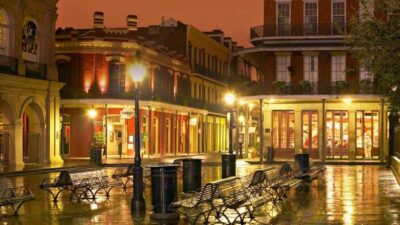
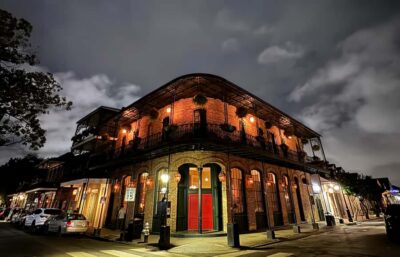
New Orleans is famous for music, food, and late-night wandering. This tour flips the script. You still move through the French Quarter, but the lens is outbreaks, fear, and what people did when they couldn’t control illness.
That shift matters because disease isn’t just a medical event. It’s also about housing, sanitation, public fear, and the strange mix of science and belief that shows up when hope is running low. By the time you’re done, a lot of the city’s atmosphere feels more understandable, even if you never think about plagues while eating beignets.
And the guide’s style helps. The tour aims to keep the pace light even when the stories get dark: clear explanations, named diseases like Yellow Fever and Cholera, plus smaller details and fun facts that make the bigger themes stick.
Toulouse Street meetup: easy start, clear plan
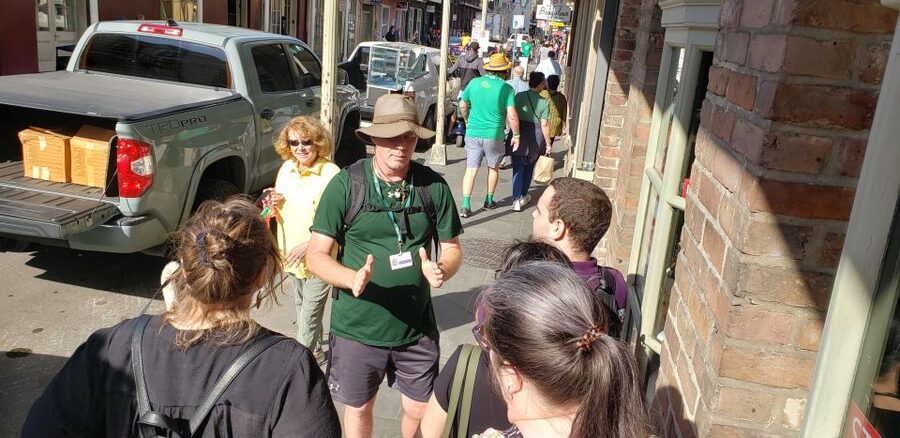
The tour starts in front of the activity provider’s store on Toulouse Street. That’s a big deal in the French Quarter, where it’s easy to waste time hunting for the right group. With a fixed meetup point, you can focus on showing up and getting your bearings fast.
From there, you’re on a walking experience designed for a short time window: it lasts 2 hours and covers about 1 mile total. That means you won’t need to plan a full half-day. It also means the guide can move quickly between themes—disease mechanics in one moment, everyday life pressure in the next—without dragging the whole thing into an all-day marathon.
Two practical notes to keep you comfortable:
- Bring comfortable shoes. You’ll be on your feet.
- The tour takes place rain or shine, so plan for weather and don’t assume you’ll get a break.
The walking rhythm: how the stories unfold along the Quarter
Because the tour is a guided walk, the experience is built around momentum. You’ll likely get a flow of scenes rather than separate museum-style stops. In practice, that’s useful: you’re hearing why illnesses spread and then you’re immediately seeing the kind of environment where people lived and gathered.
Even without a huge distance, this format helps you connect ideas. You learn about contagious residents and infectious mosquitos, then the guide frames why those aren’t random facts. They connect to how outbreaks grow when conditions are poor and when the public doesn’t have the tools to stop transmission.
It also keeps your attention. A 1-mile walk gives you time to listen and ask questions without tiring out. The tradeoff is that it’s still walking—so if you’re expecting a sit-down talk, this isn’t that.
Yellow Fever and Cholera: why those names matter
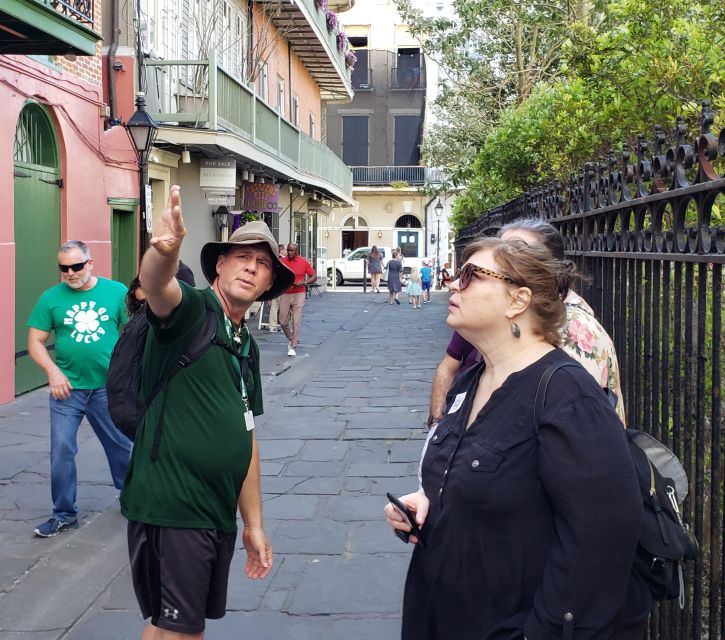
This tour doesn’t treat Yellow Fever and Cholera like trivia. It uses them as anchors for the story of spreading disease. You’ll hear how people suffered, how epidemics moved through communities, and how fear shaped behavior.
Here’s what I think you’ll get out of those disease discussions:
- You’ll understand that different illnesses can still create the same real-world chaos: sick people, panic, and overwhelmed care.
- You’ll see that disease spread isn’t only about germs. It’s about how people live, travel, and share spaces.
- You’ll get a clearer picture of why outbreaks could accelerate quickly when prevention and treatment weren’t enough.
The guide also connects the disease talk to the physical setting of the Quarter. Instead of imagining outbreaks somewhere abstract, you’re walking through the neighborhood where the stories unfolded.

Mosquitos, squalor, and how outbreaks take hold
One of the strongest themes is the way outbreaks feed on everyday problems—things that sound grim but are easy to understand once you hear them in story form.
You’ll learn about infectious mosquitos and the role insects can play in transmission. You’ll also hear about the squalid conditions that contributed to outbreaks. That part is important because it shifts the narrative from blaming one person or one event to looking at systems: crowded living, inadequate sanitation, and the constant friction between health needs and real life.
If you’re the kind of traveler who likes practical learning, this is where the tour delivers. It’s not just spooky stories. It explains why certain conditions make disease control harder, and it shows how quickly situations can worsen when a city is dealing with more than one pressure at a time.
Voodoo, religion, and unconventional medicine on the block
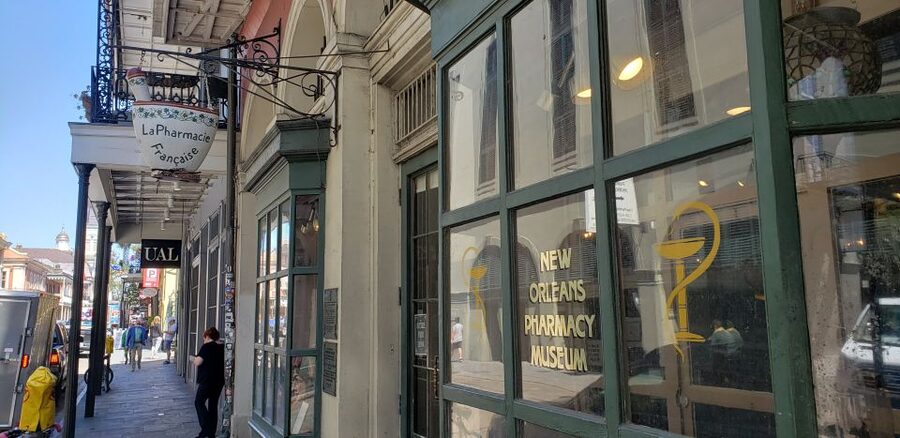
This tour gets interesting fast when it steps into belief and coping. You’ll hear how voodoo and religion played roles in trying to contain the uncontainable. You’ll also get stories about unconventional medical practices—what people believed, what they tried, and why those efforts made sense to them at the time.
I like this section because it prevents the tour from turning into a one-note lesson about germs. Instead, it highlights human reality: when people feel powerless, they reach for every form of hope. Sometimes that hope is spiritual. Sometimes it’s experimental or improvised. Often it’s both.
This doesn’t ask you to choose sides. It explains the context. You walk away understanding that in a crisis, medicine, faith, and community response can all blend together—especially when formal systems are failing.
Ending in the heart of the French Quarter: questions welcome
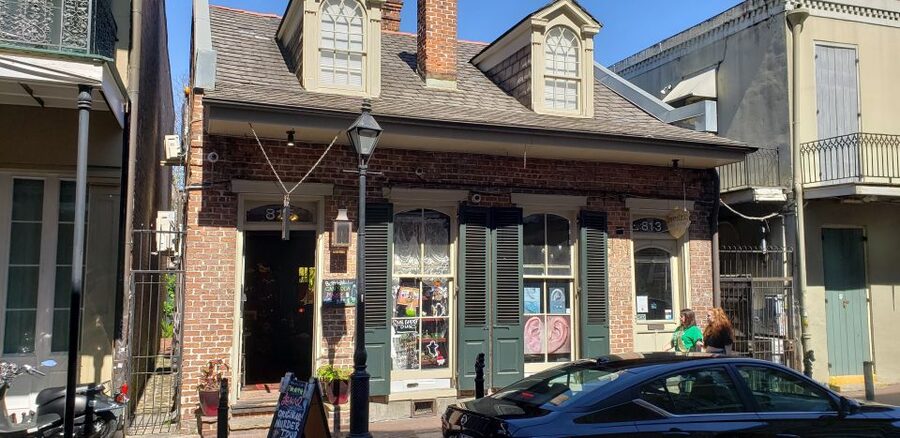
The tour finishes in the heart of the French Quarter. That ending is practical. It puts you back where you’ll want to be after a two-hour walk: near sights, food, and the next thing on your schedule.
Just as important, you’re encouraged to ask your guide for directions and recommendations after the tour. This is where a good guide becomes a tool, not just a storyteller. If you’re new to the Quarter, you’ll likely leave with a clearer sense of where to head next and how to stitch the rest of your day together.
And because you’ve just learned how the neighborhood changed through epidemics, the area feels less like a set of stops and more like a place with memory.
The guides are where this tour really shines
The most praised aspect of the experience is the guide. The stories are packed with information, but they’re delivered with a sense of fun fact rhythm instead of a school lecture vibe. That matters, because plague history can easily turn into gloom if the guide doesn’t keep it moving.
I’ve also noticed a pattern in what people love about the guidance: the best tours do two jobs at once. They teach the theme, and they point out other must-see locations around the Quarter along the route. That way, even if you’re mainly there for the pestilence story, you still leave with bonus value for the rest of your trip.
If you get a guide like Dane or Delvin, you’re in good hands. Both are singled out for being engaging and highly informative, while keeping the historical context understandable and fun.
Price and value: what $37 buys you in real terms
At $37 per person for a 2-hour guided walking tour, you’re paying for three things:
- A professional guide who can explain complex history clearly
- A focused theme that doesn’t compete with everything else you can do in New Orleans
- A short walk (about 1 mile) that fits into a day without wrecking your schedule
Is it expensive for what it is? Not really, especially when you consider you’re getting a guided route with a specific subject angle. This isn’t a general French Quarter overview. It’s a niche story that gives you a different lens on the city’s past—one that you won’t get by wandering alone.
Also, the way it’s structured helps you decide fast. You’re only committing to two hours, rain or shine, so it’s easier to fit into your travel plan. And if the topic interests you at all—disease history, public fear, how people coped—this is exactly the kind of value you want: targeted learning without the all-day commitment.
Who should book this tour (and who might not)
This is a great fit if you:
- Like history with a human story attached
- Want to understand how epidemics spread, using Yellow Fever, Cholera, and mosquitos as anchors
- Enjoy guides who can balance facts with story pace
- Prefer shorter walking experiences (about 1 mile) with big payoff
You might hesitate if you:
- Don’t enjoy heavy topics. The tour focuses on outbreaks that killed thousands.
- Really need a quiet, gentle experience. This one is narrative-heavy and discussion-based.
- Are hoping for lots of photo/video content. Video recording is not allowed.
Should you book Pestilence and Plagues Guided Tour?
If you’re the kind of traveler who likes seeing a place through a different lens, I’d book it. For $37, you get a tight 2-hour French Quarter walk with a professional guide, a clear theme (Yellow Fever, Cholera, mosquitos, and recovery), and a finish in the heart of the Quarter where you can keep exploring.
It’s not just spooky entertainment. It’s an organized way to understand how outbreaks grow, how communities respond, and why belief and medicine can mix when the stakes are life and death. If that sounds like your kind of New Orleans, this is an easy yes.
FAQ
Where do I meet the guide?
Meet your guide in front of the activity provider’s store on Toulouse Street.
How long is the tour, and how far do you walk?
The tour lasts 2 hours and the total distance walked is about 1 mile.
What should I bring for the tour?
Wear comfortable shoes. The tour is a walking experience.
Is the tour wheelchair accessible?
Yes, it’s listed as wheelchair accessible.
Does the tour run in rain?
Yes. It takes place rain or shine.
Is video recording allowed?
No. Video recording is not allowed.
More Guided New Orleans




More Tours in New Orleans
More Tour Reviews in New Orleans
Just added to The New Orleans Traveler


Guided, compared.
 ★ 4.5Guided Boat Tour of New Orleans BayouFrom $351,452 reviews
 ★ 5.0Laura Creole Plantation Guided TourFrom $321,279 reviews
 ★ 4.5Houmas House Estate and Gardens Guided TourFrom $38632 reviews
 ★ 4.7Guided Swamp Cruise by Tour BoatFrom $35570 reviews
 ★ 4.9Garden District Guided Walking TourFrom $35514 reviews
 ★ 5.0Small-Group Manchac Swamp Kayak Tour with Local GuideFrom $93480 reviews
 ★ 5.0Nola Voodoo Walking Tour with High Priestess Guide in New OrleansFrom $40172 reviews
 ★ 4.9French Quarter Tour with Local Guide and Creole StoriesFrom $35159 reviews