
Reviewed · JAZZ & LIVE MUSIC TOURS
New Orleans: Jazz Walking Tour
Jazz comes alive on this foot tour. In just two hours you cover Louis Armstrong Park, the New Orleans Jazz Museum, Congo Square, and you end up listening to live music on Frenchmen Street. I love that the tour is led by a local, licensed guide and cultural ambassador, so the jazz story comes with context and clear, human explanations. Harris, specifically, gets praised for keeping jazz history in New Orleans easy to follow.
One catch: you need to stand for a long period of time, and the tour is not suitable for wheelchair users or people with mobility impairments. If you’re good on your feet and plan with comfortable shoes, it’s a smart way to get jazz history without getting stuck in a museum all day.
In This Review
- Key highlights you’ll actually use
- Price, time, and what you get for $34
- Meet at the Louis Armstrong Park Arch and find your guide fast
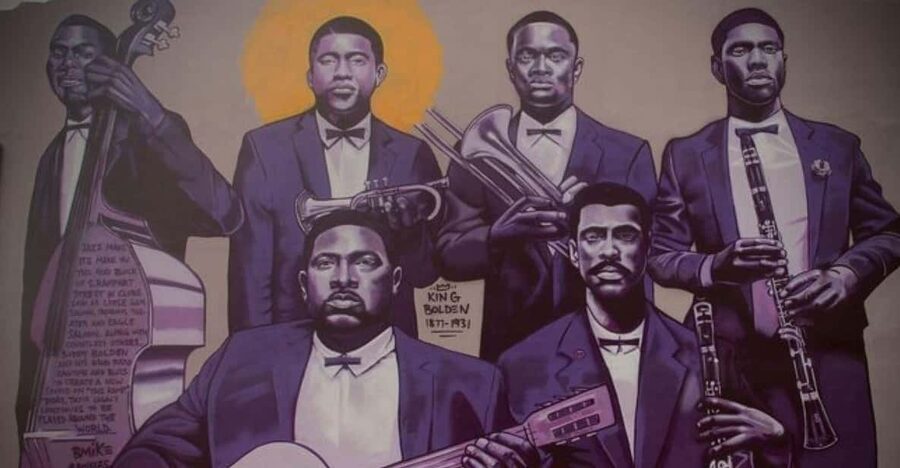
- Stop 1: Louis Armstrong Park and the pioneers behind the rhythm
- New Orleans Jazz Museum: Louis Armstrong’s stay, made meaningful
- Congo Square: the sacred grounds tied to jazz origins
- The names you’ll remember: Louis Armstrong and Sidney Bechet
- Frenchmen Street live jazz: the payoff you can hear
- Logistics that matter: what to bring and how to keep it comfortable
- Who this jazz walking tour is best for
- Why the guide style makes a difference
- Should you book this New Orleans Jazz Walking Tour?
- FAQ
- Where does the tour start?
- How long is the New Orleans Jazz Walking Tour?
- What does the tour cost?
- Is food and drinks included?
- What should I bring?
- Is smoking allowed?
- What language is the tour guide?
- How will I recognize the guide at the meeting point?
- Is the tour suitable for people with mobility impairments?
- What is the cancellation policy?
Key highlights you’ll actually use
- A focused 2-hour walk that hits major jazz landmarks without dragging on
- Start at Louis Armstrong Park Arch (801 N. Rampart Street) so you’re not wandering first
- New Orleans Jazz Museum stop, tied to Louis Armstrong’s stay
- Congo Square grounding, linked to jazz origins in the city story
- Live jazz on Frenchmen Street as the payoff for all the talking
- Local cultural expertise, with a guide team that includes musicians and cultural experts
Follow the brass a little further
- New Orleans Steamboat Natchez Jazz Cruise with Dinner Option★ 4.0 · 7,533 reviews
- New Orleans Steamboat Natchez Jazz Cruise★ 4.5 · 5,334 reviews
- New Orleans: Evening Steamboat Jazz Cruise + Optional Dinner★ 4.3 · 4,548 reviews
- New Orleans: Daytime Steamboat Jazz Cruise + Optional Lunch★ 4.3 · 4,164 reviews
Price, time, and what you get for $34
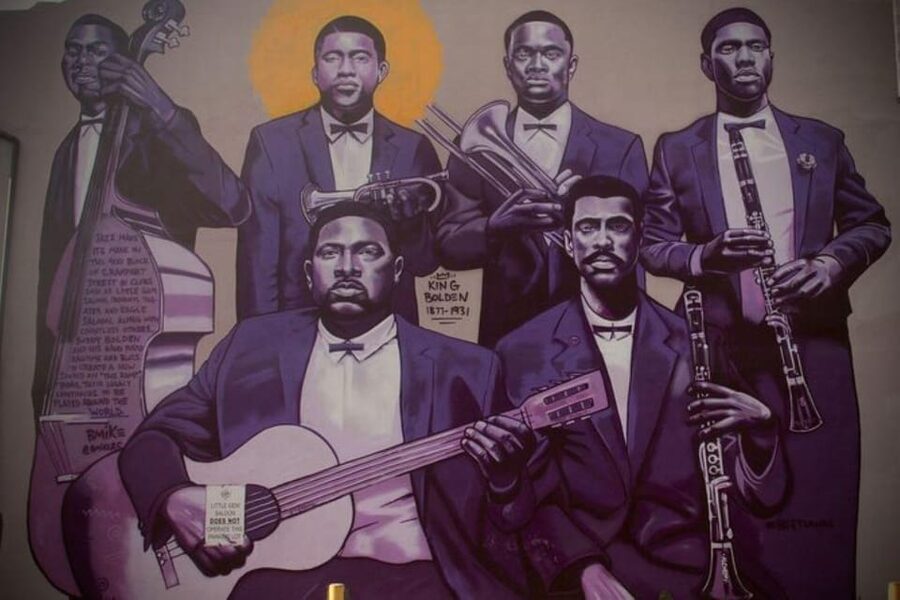
At $34 per person for a 2-hour walking tour, this sits in the “worth it if you like stories” category. You’re paying mainly for guided narration and for efficient routing between key stops—rather than for a packaged show or extra activities.
It also has a clean shape: you’re not stuck waiting around for transport, and you’re not splitting time between too many different things. The tour includes a walking tour, a cultural ambassador, and a local licensed guide. Food and drinks are not included, so you’ll want to plan your day around that.
The practical win: if your New Orleans schedule is tight, this gives you a concentrated jazz circuit. You’ll leave with names and locations you can point to later—Louis Armstrong Park, the New Orleans Jazz Museum, Congo Square, and Frenchmen Street.
Meet at the Louis Armstrong Park Arch and find your guide fast
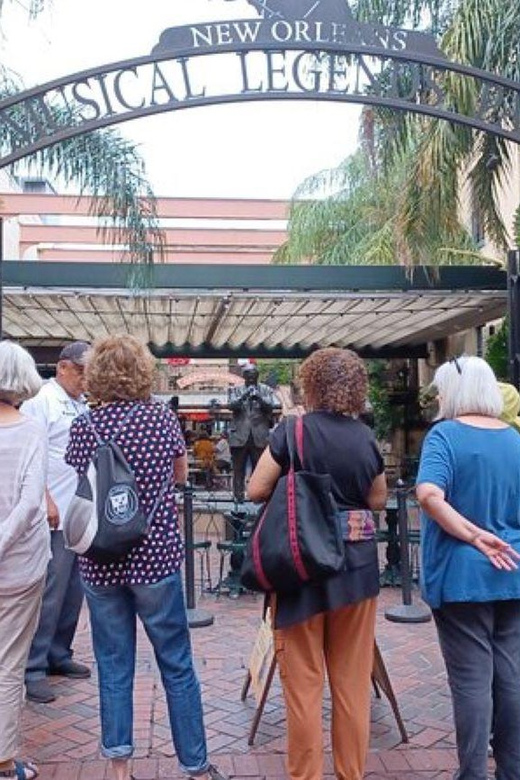
The tour starts at the Louis Armstrong Park Arch, 801 N. Rampart Street, NOLA, 70116. That’s a good thing for first-timers: you have a real address and a specific landmark, not a vague downtown meeting spot.
Here’s a small-but-useful detail: the guide will photograph themself and send the photo to guests via text. That means your contact info needs to be correct and reachable. If you’ve got spotty phone service, consider stepping somewhere with signal before the start time, so you don’t lose time trying to match faces.
You finish back at the meeting point. So you’re not trying to figure out late-night logistics or add another ride just to get home.
Stop 1: Louis Armstrong Park and the pioneers behind the rhythm
Louis Armstrong Park is more than a pretty name to drop into your itinerary. It’s where your guide starts building the thread: why these places matter and how the city’s jazz story gets told through real landmarks.
In this section of the walk, you’ll learn about old jazz pioneers tied to New Orleans culture. The tour is structured to move from “who” to “where,” so you’re not memorizing names without locations. And since Louis Armstrong is central to the story, the park naturally becomes your first anchor point.
What I like about this opening: it sets expectations early. You get a sense of the themes you’ll keep hearing throughout the walk—people, place, and the way music shaped New Orleans identity. It also helps that you’re walking outdoors, so you’re not coming into the tour feeling locked into indoor history right away.
One drawback to plan for: you’ll be on foot for long stretches. This is the type of tour that works best when you treat it like a steady walk, not a slow stroll with lots of sitting breaks.
New Orleans Jazz Museum: Louis Armstrong’s stay, made meaningful
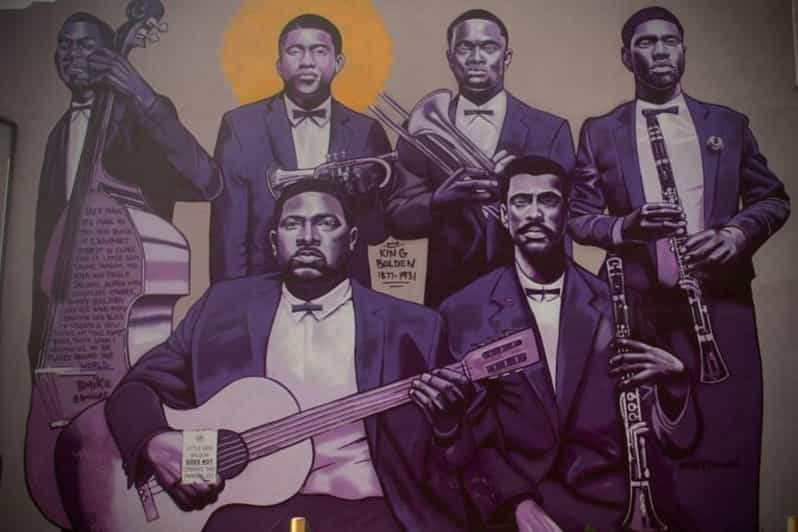
Next up is the New Orleans Jazz Museum. The tour highlights a specific connection: it’s a place where Louis Armstrong stayed. That detail turns the museum from generic “jazz exhibits” into something more personal and place-based.
Even without knowing anything going in, you’ll likely appreciate how the guide uses the museum stop to put names and stories into context. Museums can sometimes feel like you’re just reading panels. Here, the narration is meant to frame what you see, so you understand why the stop matters rather than simply ticking a box.
For value, this stop is key. It’s the moment where the tour shifts from streets and landmarks into a tighter, focused look at the people behind the sound. And because the whole tour is only two hours, that “context boost” at the museum helps the later stops land harder.
If you’re the type who likes to know what you’re looking at before you look, you’ll enjoy this section. If you prefer pure sightseeing with minimal talk, you might want to keep a calm pace and let the guide set the tone without trying to speed ahead.
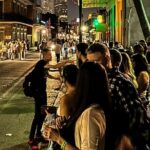
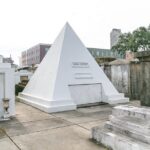
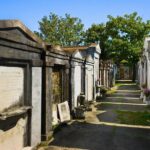
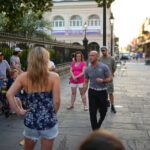
More of New Orleans on foot

Congo Square: the sacred grounds tied to jazz origins
Then you reach Congo Square, described as sacred grounds where jazz supposedly originated. Even if you treat that phrasing as “the legend and the cultural story,” it still matters. Congo Square is the kind of place where the meaning is bigger than the music trivia.
On this stop, your guide’s job is to connect the site to the broader narrative of jazz in New Orleans—how community life and cultural traditions get folded into the music story. It’s not just an empty square in the middle of a walk. It becomes a moment where the tour asks you to listen with your eyes: look at the setting and imagine the music history that people associate with it.
Practical note: this is another outdoors stop, so your comfort matters. Bring water, wear comfortable shoes, and expect to stand and listen as the guide explains the significance.
If you want one emotional takeaway from the tour, this is often the place where it clicks. Not because you suddenly learn every detail, but because the tour ties your earlier stops to a sense of roots.
The names you’ll remember: Louis Armstrong and Sidney Bechet
A big part of the tour’s strength is how it links key figures to specific places. You’ll hear about Louis Armstrong and Sidney Bechet, and the walk keeps showing you where those stories live in the city.
This matters because jazz history can feel scattered when you only read it in books. By threading names through real locations, the tour makes the story easier to keep in your head. You’re not just learning facts; you’re building a mental map.
Also, the tour is led by people who understand the culture, not only the chronology. It’s described as guided by local musicians, choreographers, and cultural experts. That matters for the style of explanation. You’re more likely to get clear connections between music, movement, and New Orleans identity.
If you’re traveling with friends who care about different things—some history, some music, some atmosphere—this structure helps. You’ll have something to talk about at each stop.
Frenchmen Street live jazz: the payoff you can hear
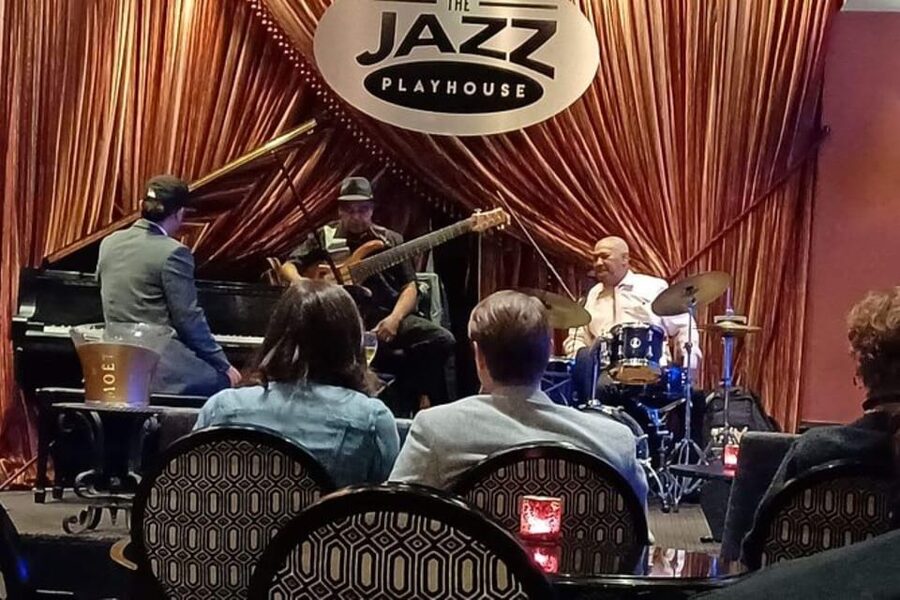
The tour ends with live jazz on Frenchmen Street, one of the city’s famous zones for music. This is the part you’ll feel immediately, because the city goes from explained to experienced.
The genius of ending here is that your last hour is no longer “learning mode.” You’ve built the context already. So when you hear the live music, you’re not just enjoying a performance—you’re also picking up what the tour was trying to teach: the sound and the spirit of New Orleans.
It also makes the tour memorable for a practical reason: it gives you a next-step idea. If you love what you hear, you’ll know where to go later that night, and you’ll have a better sense of what you’re listening for.
One consideration: since it’s live music, it can be loud and standing-heavy. That’s not a deal-breaker, but it’s good to know you’ll be using your ears and legs at the same time.
Logistics that matter: what to bring and how to keep it comfortable
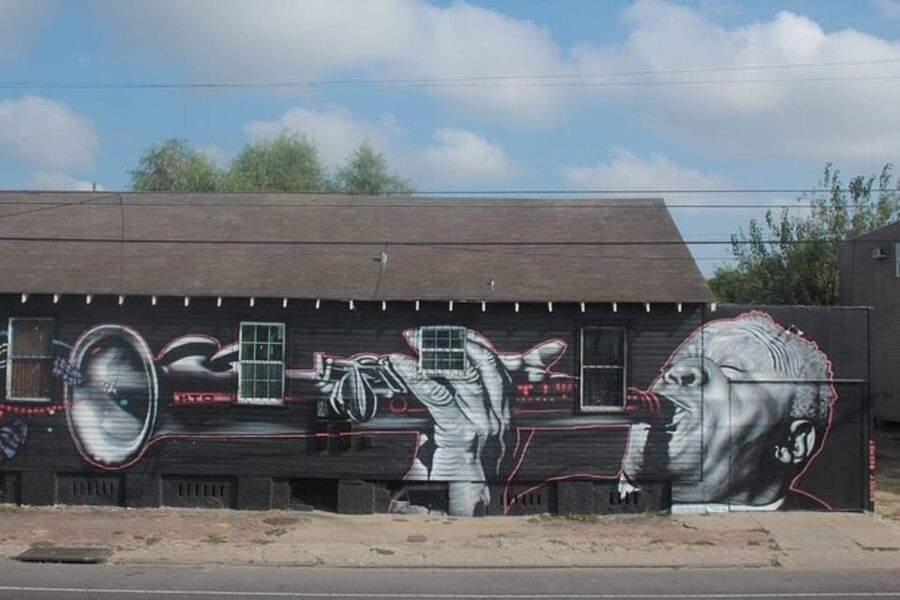
This is a short tour, but it’s still a walking experience. Plan like you’re going to be outside and standing for stretches.
Bring:
- Comfortable shoes
- A camera
- Water
Not allowed:
- Smoking
If you’re heat-sensitive, take advantage of water and don’t hesitate to slow down for a second when the guide pauses. The tour is designed to keep moving, but your body is still the vehicle. Treat it that way.
If you’re the kind of traveler who likes to fill every gap with more plans, this tour is a good early move. It helps you orient to jazz in New Orleans quickly. Later, you can pick where to return—museum details, specific streets, or the music vibe.
Who this jazz walking tour is best for
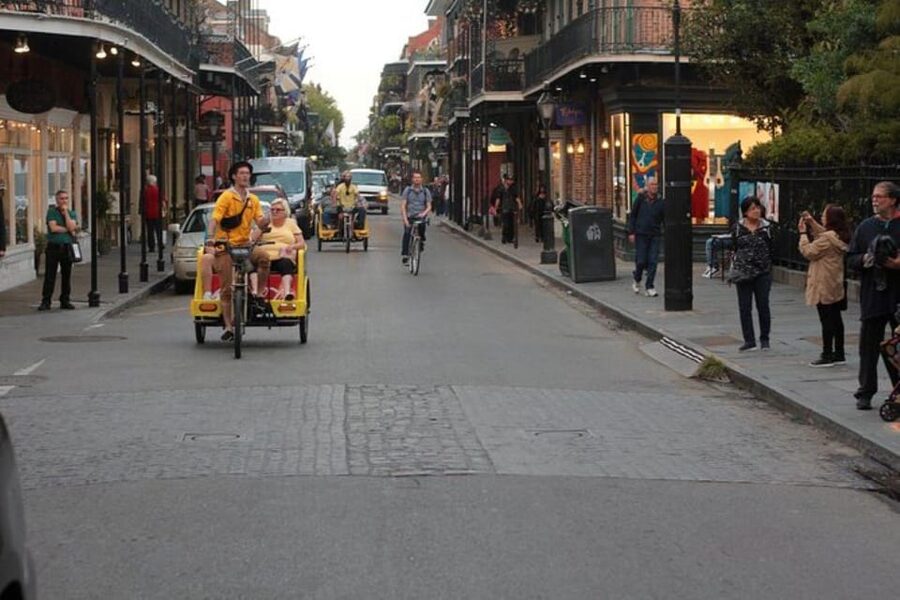
This one fits best if you:
- Want a concentrated jazz route in only two hours
- Like guided storytelling with real locations
- Prefer walking tours over sitting through long presentations
- Appreciate hearing about famous jazz names in the context of where they connected
It’s less ideal if:
- You can’t stand comfortably for a long time
- You need wheelchair access (it’s not suitable for wheelchair users)
- You’re looking for a food-and-drink experience (food and drinks aren’t included)
Also, if you’re traveling with kids or friends who get restless fast, the tour’s length can work, but the standing requirement might be the make-or-break point.
Why the guide style makes a difference
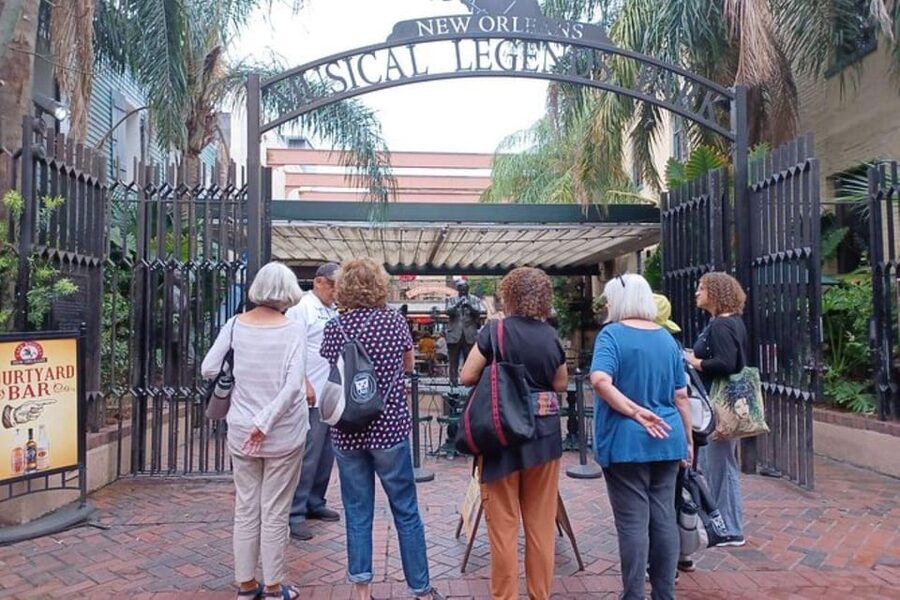
One reason this tour earns top marks is the way it’s taught. Harris is specifically called out for being very informative about jazz history in New Orleans and New Orleans history in general. That’s the kind of guide you want: someone who can explain the city without turning it into a lecture.
And because the tour team includes musicians and cultural experts, you’re more likely to get explanations that connect music to place. You should expect less “memorize dates” and more “here’s how this city became this sound.”
The time also tends to feel efficient. When a tour is well paced, you don’t count minutes. You follow along, look around, and the walk simply finishes. That’s a good sign of a tour that respects your attention.
Should you book this New Orleans Jazz Walking Tour?
Book it if you want a tight, high-impact jazz experience: parks, museum connection to Louis Armstrong, Congo Square’s legendary origins, and a live-music ending on Frenchmen Street. For $34 and two hours, you’re buying guided context plus an audible finale, and it’s a great way to get your bearings fast.
Skip it or rethink your plan if standing for long periods is an issue for you, because the tour is not set up for mobility needs. Also, if you want a full-day food crawl, this isn’t that—no food or drinks are included.
If your goal is simple—learn the jazz story in New Orleans and end with music you can hear—this walking tour is a solid pick.
FAQ
Where does the tour start?
The tour starts at the Louis Armstrong Park Arch, 801 N. Rampart Street, NOLA, 70116.
How long is the New Orleans Jazz Walking Tour?
The duration is 2 hours. Starting times vary, so check availability.
What does the tour cost?
The price is $34 per person.
Is food and drinks included?
No. Food and drinks are not included.
What should I bring?
Bring comfortable shoes, a camera, and water.
Is smoking allowed?
No, smoking is not allowed.
What language is the tour guide?
The tour is in English.
How will I recognize the guide at the meeting point?
The guide will photograph themself and send the photo to guests via text. Make sure your contact information is accurate.
Is the tour suitable for people with mobility impairments?
No. It is not suitable for people with mobility impairments or wheelchair users.
What is the cancellation policy?
You can cancel up to 24 hours in advance for a full refund.
More Tours in New Orleans


More Tour Reviews in New Orleans
More Jazz & Live Music

Just added to The New Orleans Traveler


Jazz & Live Music Tours, compared.
 ★ 4.0Steamboat Natchez Jazz Cruise with Dinner OptionFrom $587,533 reviews
 ★ 4.5Steamboat Natchez Jazz CruiseFrom $435,334 reviews
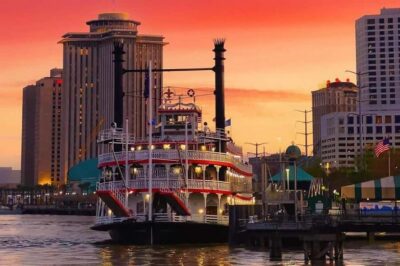 ★ 4.3Evening Steamboat Jazz Cruise + Optional DinnerFrom $584,548 reviews
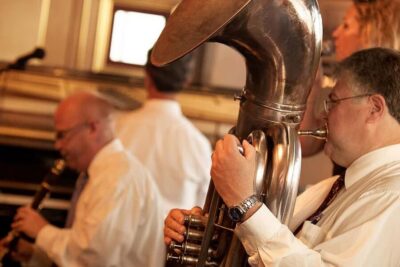 ★ 4.3Daytime Steamboat Jazz Cruise + Optional LunchFrom $434,164 reviews
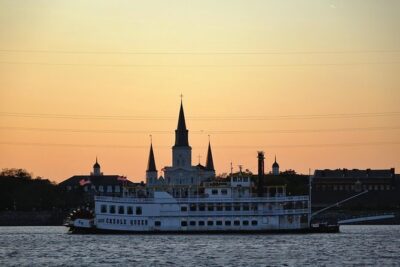 ★ 4.0Paddlewheeler Creole Queen Jazz Dinner Cruise in New OrleansFrom $1071,469 reviews
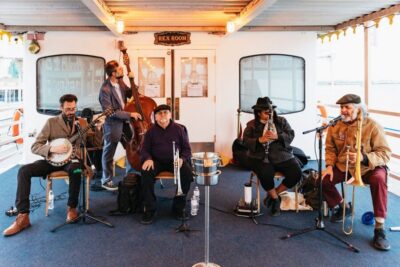 ★ 4.4Evening Jazz Boat Cruise with Optional DinnerFrom $601,024 reviews
 ★ 4.0Sunday Jazz Brunch Cruise in New OrleansFrom $43889 reviews
 ★ 4.5VIP Jazz Dinner Cruise with Private Tour and Open Bar OptionFrom $190838 reviews
Browse the lists this tour appears in