
Reviewed · PLANTATION TOURS
New Orleans: Felicity Plantation Guided Tour
A plantation tour with real farm work. Felicity Plantation pairs dramatic Mississippi River scenery with a working sugarcane operation you can still see today. I also like how the house itself mixes Greek Revival lines with a strong Creole influence, so you’re not just looking at history—you’re reading it in the buildings.
There’s one thing to plan around: this tour is not suitable for wheelchair users or visitors with mobility impairments.
In This Review
- Key things to know before you go
- Felicity and St. Joseph: Two Plantations on the River Road
- Greek Revival with Creole influence: What you’re actually seeing in the house
- The working sugarcane farm element: Why Felicity feels different
- The tour’s lens: Enslavement, emancipation, and labor after freedom
- Movie and TV locations: Recognizing Felicity on screen
- What the 90 minutes feel like: House first, then grounds walk
- Price and value: Is $24 worth it?
- Getting there and staying comfortable: Shoes, rules, and meeting point
- Who should book this Felicity Plantation guided tour
- Should you book? My take
- FAQ
- Where do I check in for the Felicity Plantation tour?
- How long is the Felicity Plantation guided tour?
- What is included in the ticket price?
- Is transportation included?
- What should I wear or bring?
- Are alcohol or drugs allowed?
- Is this tour suitable for wheelchair users or people with mobility impairments?
- Is the tour guide English-speaking?
Key things to know before you go
- A sister plantation next door: Felicity sits beside St. Joseph, and you start at the St. Joseph gift shop.
- Constructed 1844–1847: the architecture reflects mid-19th-century Louisiana tastes.
- A sugarcane farm that’s still active: one big reason this feels more real than static museum sites.
- Stories of enslaved and free laborers: the interpretation covers both enslavement and later generations after emancipation.
- Film locations you might recognize: Felicity has appeared in movies and series including Skeleton Key and 12 Years a Slave.
- English, live guiding: you’re with a guide for the house and grounds, with time to walk around.
Other River Road plantation visits
- Swamp Boat Ride and Oak Alley Plantation Tour from New Orleans★ 5.0 · 3,303 reviews
- Oak Alley Plantation Tour with Transportation from New Orleans★ 4.5 · 1,747 reviews
- Whitney Plantation Tour with Transportation from New Orleans★ 4.5 · 1,351 reviews
- Laura Creole Plantation Guided Tour★ 5.0 · 1,279 reviews
Felicity and St. Joseph: Two Plantations on the River Road
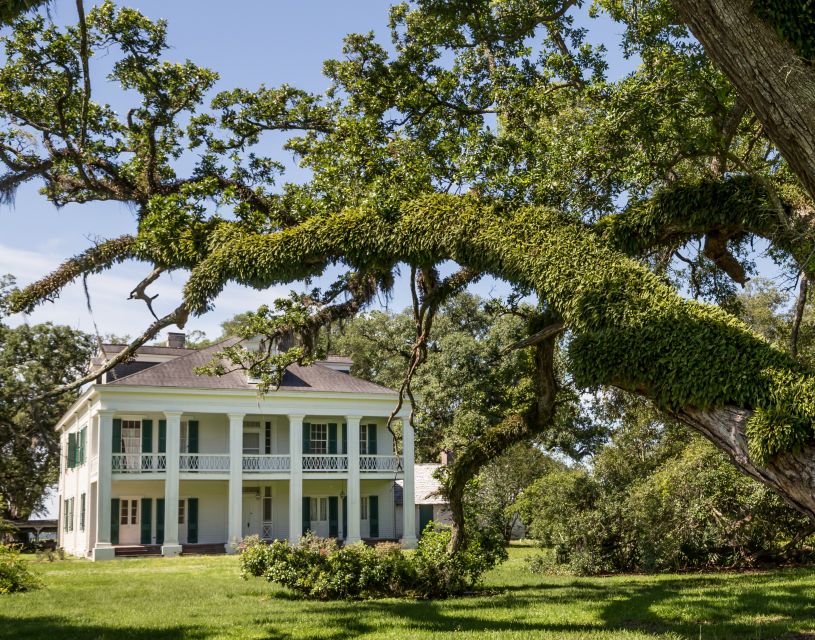
If you’re basing yourself around New Orleans and want a plantation experience that feels closer to daily life than polished postcard scenes, Felicity is a smart pick. Felicity is the sister plantation to St. Joseph Plantation, and both are part of one broader sugarcane story along the River Road outside Vacherie.
The best way to think about this visit is as a guided look at one plantation home plus the working system that supported it. The guide doesn’t treat Felicity as a stand-alone house in a vacuum. Instead, you’re shown how the region’s agriculture, labor, and wealth were connected—and how that same landscape is still used today.
Greek Revival with Creole influence: What you’re actually seeing in the house
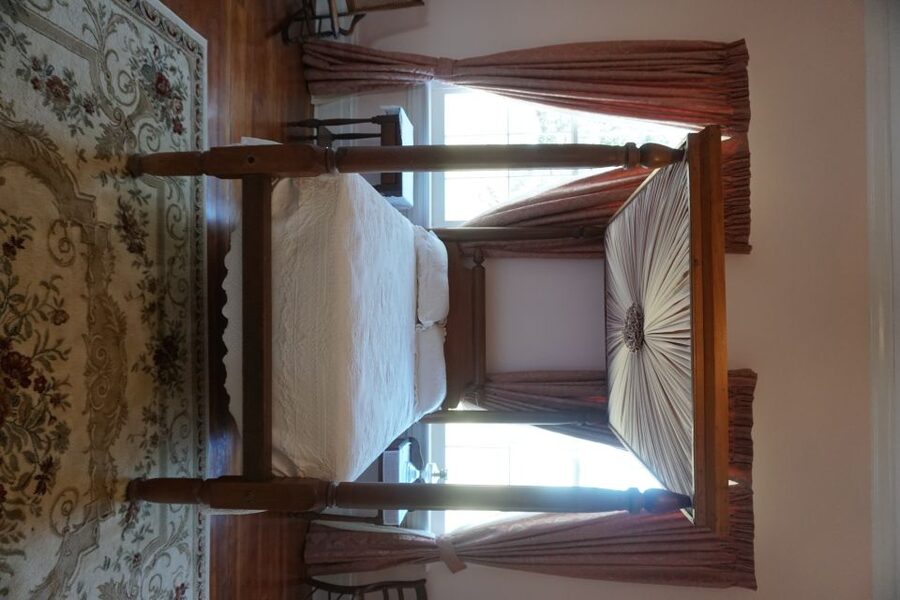
Felicity is a recognizable mid-19th-century landmark built between 1844 and 1847. What makes it especially interesting is that it blends styles: Greek Revival architecture with Creole character. You’ll notice the contrast in the overall look and feel of the home, which helps you understand how Louisiana adopted outside tastes while still keeping local design instincts.
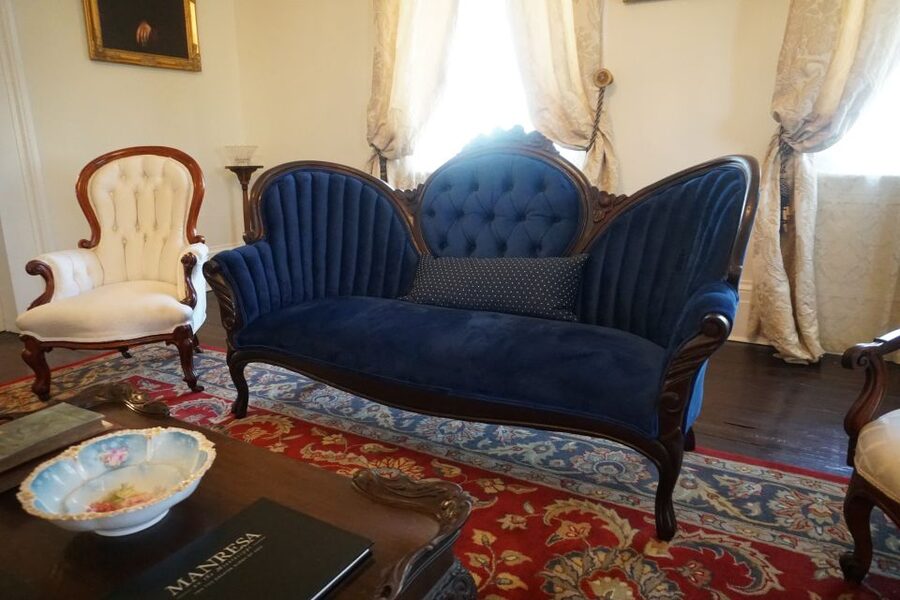
Inside, the tour focuses on preserved spaces and period-true furnishings and renovations. One big advantage here is that you’re guided through the house with interpretation, not just handed a self-guided script. Even if you’ve seen other Louisiana plantation homes, Felicity’s mix of styles gives you a different lens for comparing the River Road’s big estates.
Also, Felicity is smaller than St. Joseph, so the pacing can feel tight and focused. That matters if you’re trying to fit multiple stops into a day without losing the plot.
The working sugarcane farm element: Why Felicity feels different
Many plantation tours show you what used to be there. Felicity adds something rarer: you get to see how the land’s purpose has continued.
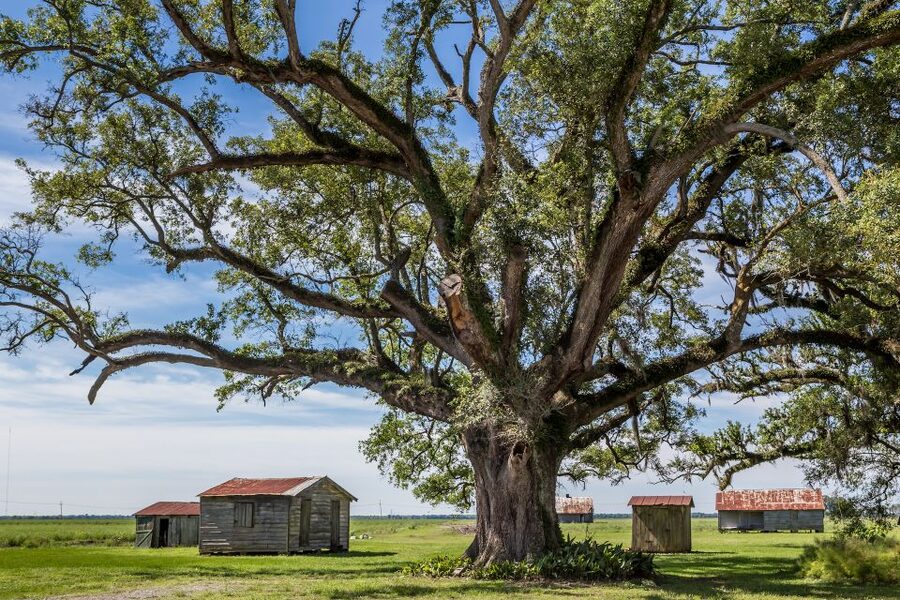
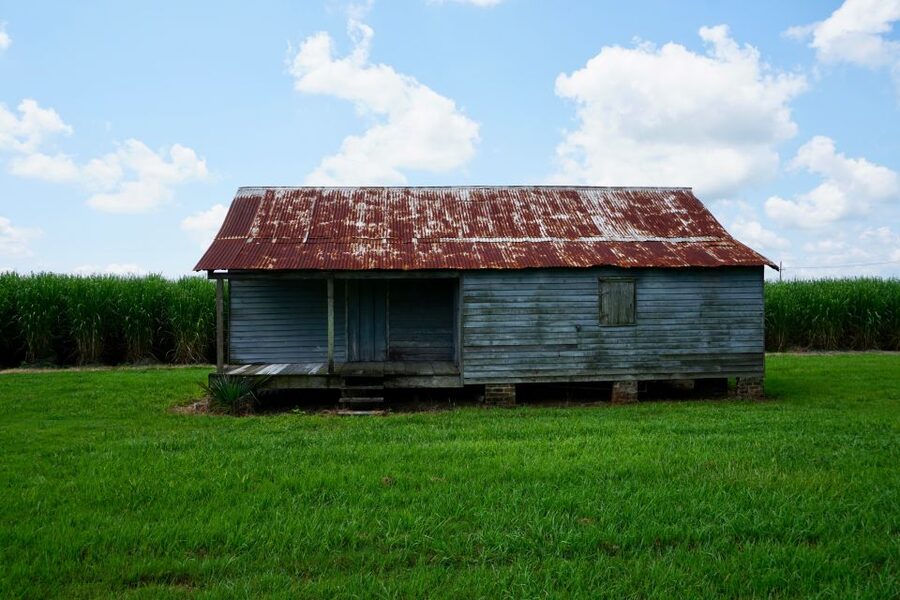
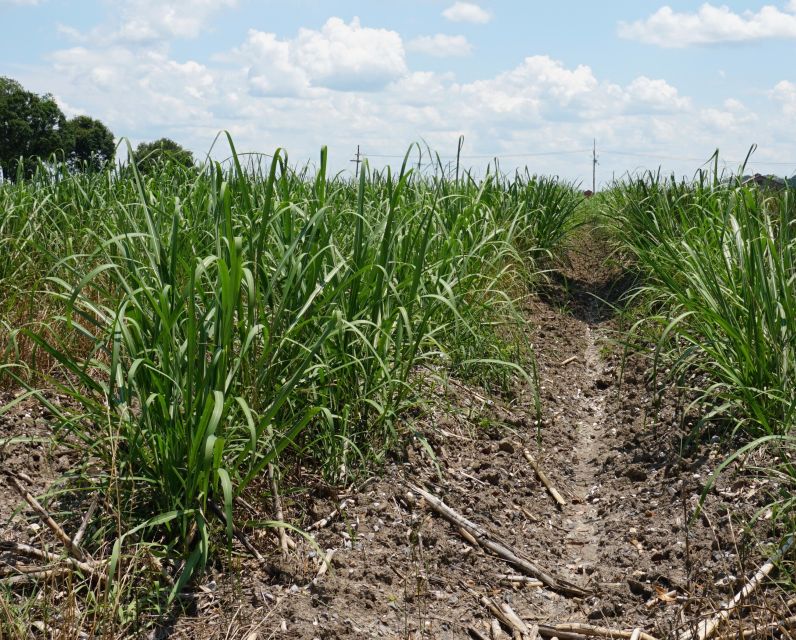
Felicity was purchased in 1877 by the Waguespack family at a sheriff’s sale. By 1901, Felicity and St. Joseph were combined into a single 2,500-acre sugarcane operation. Today, sugarcane is still grown and harvested here, under the same ownership. That continuity changes the vibe of the tour in a practical way: the site isn’t only a preservation project—it’s also an ongoing working farm.
On your visit, that means you’ll be thinking about the plantation not just as a building, but as a labor system tied to crops, seasons, and work rhythms. You’ll come away with a clearer sense of how agriculture shaped people’s lives long after the original construction era.
The tour’s lens: Enslavement, emancipation, and labor after freedom
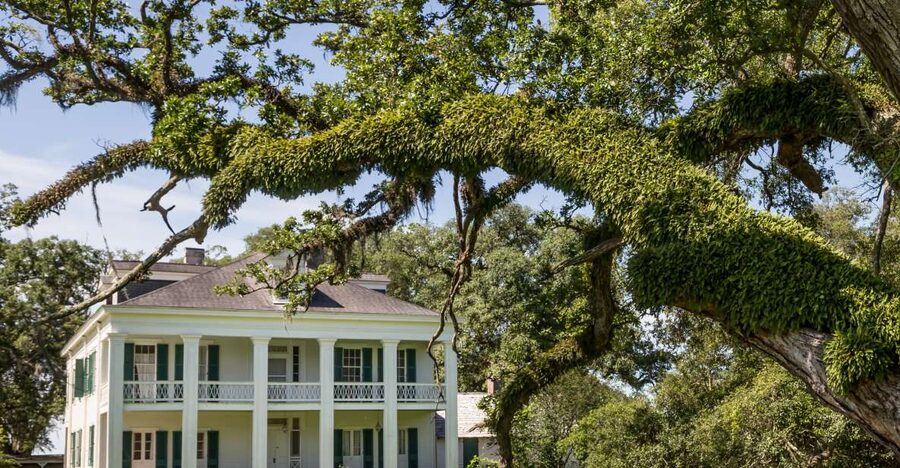
The most important part of Felicity isn’t the architecture or the photo spots. It’s the way the tour handles human lives and work.
You should expect direct interpretation of the realities of enslavement, and then the generations of laborers who remained after emancipation. The tour doesn’t treat freedom as a simple switch that changed everything overnight. Instead, it acknowledges the long run of work systems that sustained the plantation well into the 20th century.
This is valuable because it forces you to hold two truths at once: the plantation had structures and privileges built into it, and it also depended on coercive labor and deep harm. A guided format helps here because the guide can connect the dots between the rooms you see, the fields tied to sugarcane, and the people who made it possible.
If you’re doing a New Orleans-area trip that includes other history stops, I’d place Felicity in the category of tours where you leave with more understanding, not just more pictures.
More guided New Orleans outings




Movie and TV locations: Recognizing Felicity on screen
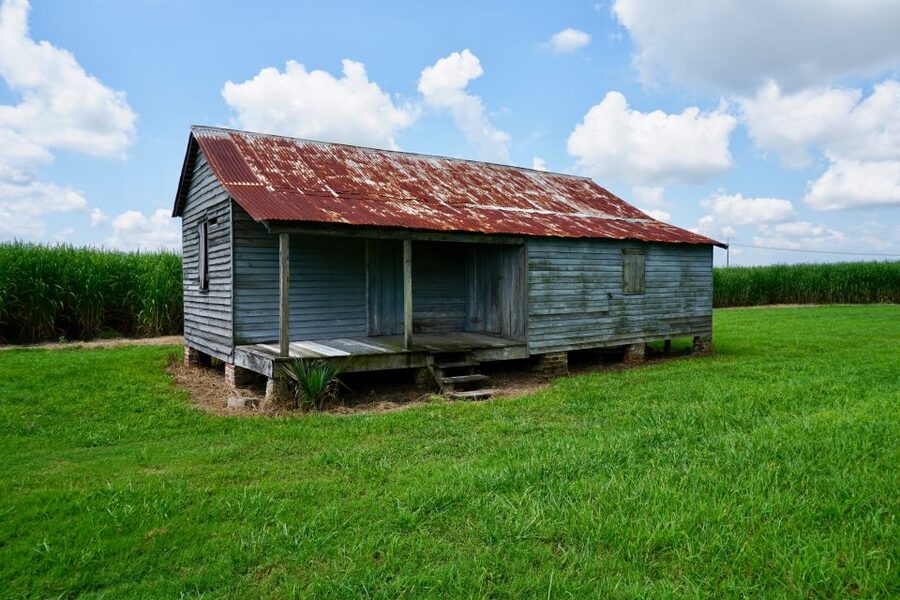
Felicity’s setting has been used in film and television, and that adds a fun layer for pop-culture fans. The grounds and home have shown up in productions including Skeleton Key and 12 Years a Slave, along with the remake of Roots, Underground, and Filthy Rich.
Here’s the practical benefit: when you’ve seen those titles, you’ll likely start mapping where scenes might have been shot. That can turn the house tour into a “spot the details” exercise—angles, scale, and exterior composition—while still staying grounded in the real site.
Just remember: those productions are not documentaries. The value of Felicity is that the guide brings you back to what happened here and who lived and worked here.
What the 90 minutes feel like: House first, then grounds walk
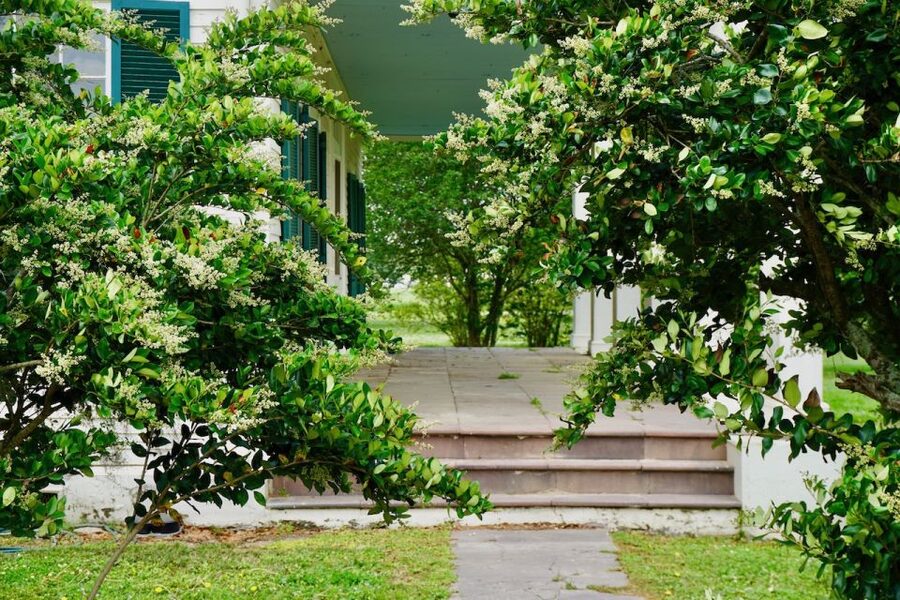
The total visit time is 90 minutes, with a guided experience that centers on Felicity’s interior and then allows time to walk around and view the grounds. The house tour portion is about 1 hour, so you won’t feel dragged through endless rooms.
This structure works well if you want a meaningful plantation tour without losing half a day to logistics. You’ll have enough time to take in key parts of the home, and you can stretch your legs afterward on the property.
A note from the feel of the guides: names like Sylvie come up for their storytelling style, with a personal, family-memory approach to how they explain what you’re looking at. That tone matters. It turns facts into something you can actually remember after you leave the grounds.
You might also notice small wildlife—one tour experience described adorable foxes moving around the property. You can’t count on specific sightings, but the grounds can feel alive in a way that helps the place feel real.
Price and value: Is $24 worth it?
At $24 per person, Felicity Plantation isn’t the most expensive thing you’ll do in the New Orleans region, and it’s not trying to be. The value comes from three things working together:
First, you get a live, guided tour in English—not a self-guided pass. Second, the interpretation covers slavery and labor after emancipation, which is the kind of content that often takes real time and care to explain. Third, the property is not only historic; sugarcane remains part of daily use here.
If you’ve been considering larger-name plantation stops, I’d view Felicity as a strong alternative when you want a guided experience that stays focused. It’s also a good fit if you like the idea of learning architecture, agriculture, and labor stories without stacking so many locations that your day turns into a blur.
Getting there and staying comfortable: Shoes, rules, and meeting point
This tour is close enough to other River Road sites that you’ll likely drive or arrange transport on your own; transportation isn’t included.
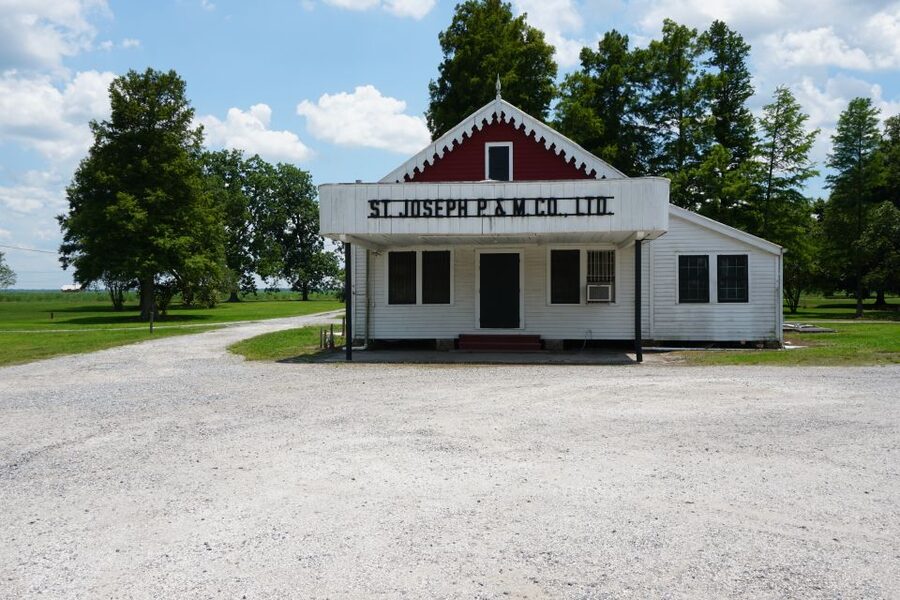
Here’s the key logistics you’ll want to get right: check in at the gift shop next door at St. Joseph Plantation, address 3535 LA-18, Vacherie, LA 70090. Plan to check in at least 15 minutes before your start time so you’re not rushing when it’s time to begin.
What to bring is simple:
- Comfortable shoes (you’ll be on the property)
What not to bring:
- Alcohol and drugs
- Bare feet
Also, the tour is not suitable for people with mobility impairments or wheelchair users, so if you’re traveling with someone who uses a wheelchair, you’ll want a different option.
Who should book this Felicity Plantation guided tour
Book Felicity if you want:
- A plantation visit that connects architecture to agriculture
- A guided explanation of enslaved life and labor systems after emancipation
- A calmer, focused experience than you might get at the biggest busier stops
It’s also a good choice if you’re a film fan who enjoys recognizing locations, but you don’t want that to replace the serious side of the story.
If you’re traveling with teens or older kids, the guided format can help a lot. Clear narration plus a real working farm angle tends to make the subject matter easier to hold onto.
Should you book? My take
I think Felicity is worth booking when you want more than a standard plantation photo stop. The combination of Greek Revival and Creole architectural details, the fact that sugarcane is still active, and the honest interpretation of labor and enslavement all work together.
The one reason I’d hesitate is if accessibility is a concern—this isn’t set up for wheelchair users or visitors with mobility impairments. If that’s not an issue for your group, Felicity Plantation is a strong, thoughtful choice for a River Road day.
FAQ
Where do I check in for the Felicity Plantation tour?
Check in at the gift shop next door at St. Joseph Plantation, 3535 LA-18, Vacherie, LA 70090.
How long is the Felicity Plantation guided tour?
The tour lasts about 90 minutes total.
What is included in the ticket price?
Your ticket includes a guided tour of Felicity Plantation, with an option to walk around and view the grounds. The ticket also includes skipping the ticket line.
Is transportation included?
No. Transportation is not included.
What should I wear or bring?
Wear comfortable shoes, since you’ll be on the grounds.
Are alcohol or drugs allowed?
No. Alcohol and drugs are not allowed.
Is this tour suitable for wheelchair users or people with mobility impairments?
No. It is not suitable for people with mobility impairments or wheelchair users.
Is the tour guide English-speaking?
Yes. The live tour guide provides the tour in English.
More Tours in New Orleans



More Tour Reviews in New Orleans
More River Road Plantations



Just added to The New Orleans Traveler


Plantation Tours, compared.
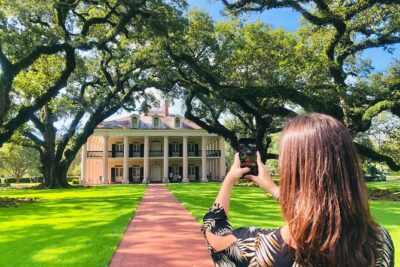 ★ 5.0Swamp Boat Ride and Oak Alley Plantation Tour from New OrleansFrom $1313,303 reviews
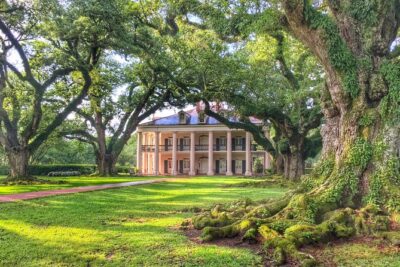 ★ 4.5Oak Alley Plantation Tour with Transportation from New OrleansFrom $891,747 reviews
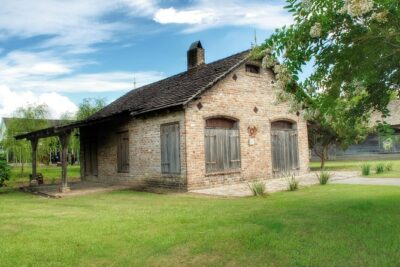 ★ 4.5Whitney Plantation Tour with Transportation from New OrleansFrom $891,351 reviews
 ★ 5.0Laura Creole Plantation Guided TourFrom $321,279 reviews
 ★ 4.7Bayou Swamp Tour and Oak Alley Plantation TourFrom $1251,147 reviews
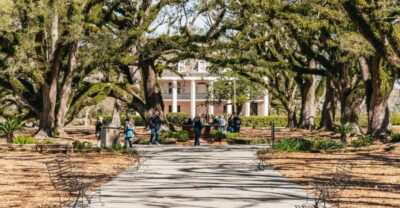 ★ 4.7Oak Alley Plantation & Airboat Swamp Combo TourFrom $160906 reviews
 ★ 4.5Oak Alley Plantation and Large Airboat Swamp Tour from New OrleansFrom $160712 reviews
 ★ 4.5Houmas House Estate and Gardens Guided TourFrom $38632 reviews
Browse the lists this tour appears in