
Reviewed · COCKTAIL TOURS
New Orleans: Early Evening Cocktail History Tour
New Orleans has a way of making drinks feel like stories. This early evening cocktail history tour strings together the people, places, and old-school drink ideas that shaped what you sip today. I like how you get four craft drinks as part of the experience, not just tastings with a lecture. I also like that the guide keeps the history practical, tying each pour to why it mattered in its era. One possible drawback: since there’s no food included, you’ll want to eat beforehand.
If you’re the type who enjoys learning by doing, this is a fun way to see the French Quarter while sampling pre-Prohibition classics. You’ll hit well-chosen bars—some with comfortable, slightly special-feeling spaces—then land near the end with a live jazz moment that can make the night feel extra New Orleans.
In This Review
- Key highlights worth your attention
- Why This Early Evening Cocktail Tour Works in the French Quarter
- Meeting at Patrick’s Bar Vin: Route, Timing, and Pace
- Stop 1 at the Tropical Courtyard: Homemade Rum Punch
- The 3rd Block Depot Choice: Sazerac (Medicinal Roots) or Brandy Crusta
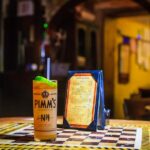
- Peychaud’s Bar for Pre-Prohibition Creativity: Pimm’s Cup or Ojen Frappé
- Bourbon ‘O’ Bar Finale: The Roffignac Highball and Jazz at 8pm
- What the Absinthe and Sazerac Stories Add to the Drinks
- How the Drinks Feel Across Four Stops
- Price and Value: What You’re Really Paying for at $95
- The One Big Watch-Out: No Food Means Plan Ahead
- Guides Make This Tour: Cat, Beth, Mike, Ben, and Lindsay
- Who Should Book This Tour (and Who Might Want Another Option)
- Should You Book This Cocktail History Tour?
- FAQ
- How long is the New Orleans early evening cocktail history tour?
- What’s included in the price?
- Do I get to choose which cocktails I try?
- Is food included on the tour?
- Where do I meet, and where does it end?
- Do I need ID or be a certain age?
Key highlights worth your attention
- Homemade rum punch kicks things off in a tropical-courtyard setting
- Real Sazerac backstory gets explained, including its 19th-century medicinal connection
- Absinthe scoop focuses on what people think vs. what’s behind the reputation
- Pre-Prohibition variety: you’ll taste classics that existed long before the ban
- A choice of drinks at multiple stops, so the tour can feel personal
- Live jazz at Bourbon ’O’ Bar starting at 8pm, if your timing lines up
One more round of Sazeracs and speakeasies
- New Orleans Cocktail and Food History Tour★ 5.0 · 819 reviews
- New Orleans Cocktail History Walking Tour in the French Quarter★ 5.0 · 604 reviews
- French Quarter Small-Group Cocktail and Foodie Crawl★ 5.0 · 519 reviews
- New Orleans: Combo Cocktail and Food History Tour★ 4.9 · 180 reviews
Why This Early Evening Cocktail Tour Works in the French Quarter
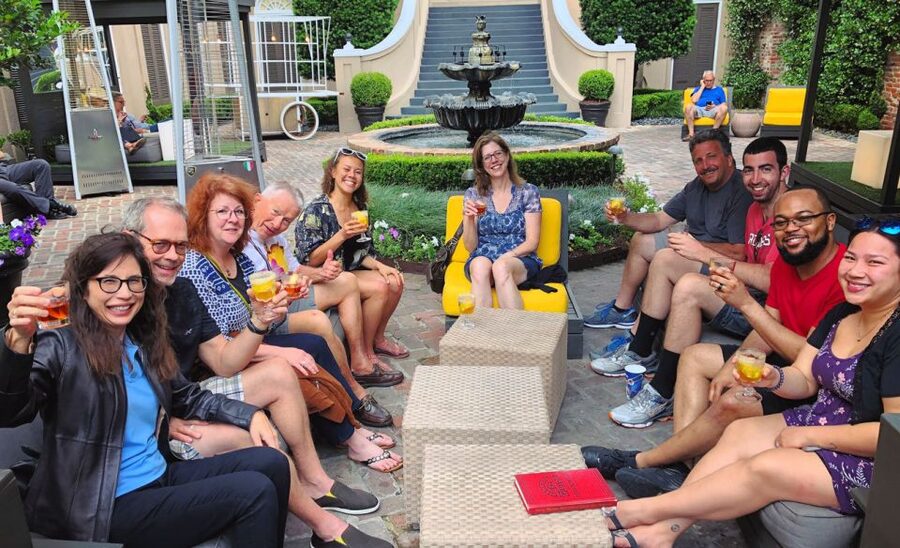
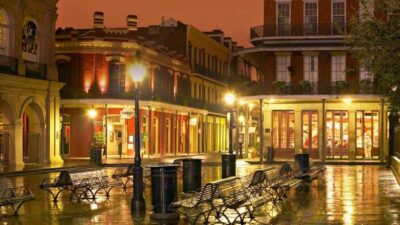
This tour hits a sweet spot: early evening in the French Quarter, when the streets are lively but the night isn’t fully spun up yet. You get guided walks between stops that keep you moving, while still lingering long enough to actually enjoy each bar and each drink.
What makes it work best is the mix of story and sips. You’re not just checking off cocktails—you’re learning why absinthe became a thing, how the Sazerac found its identity, and how New Orleans drinking culture evolved when cocktails weren’t just for fun.
Meeting at Patrick’s Bar Vin: Route, Timing, and Pace
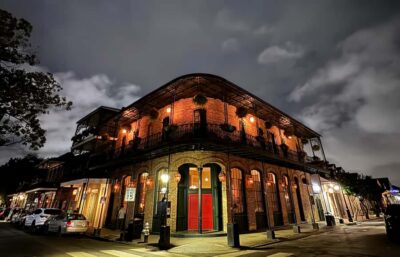
You start at 730 Bienville St, at Patrick’s Bar Vin. The tour runs about 3 hours, with guided time at each drink stop and short walking gaps between venues, so you don’t feel stuck in a rigid lecture format.
The pace is built around four cocktail moments, each paired with a guided explanation. Plan to be ready to walk a bit—New Orleans blocks aren’t huge, but your shoes still get a workout. Also note the tour ends back at the meeting point, which is convenient if you’re going out again after.
Stop 1 at the Tropical Courtyard: Homemade Rum Punch
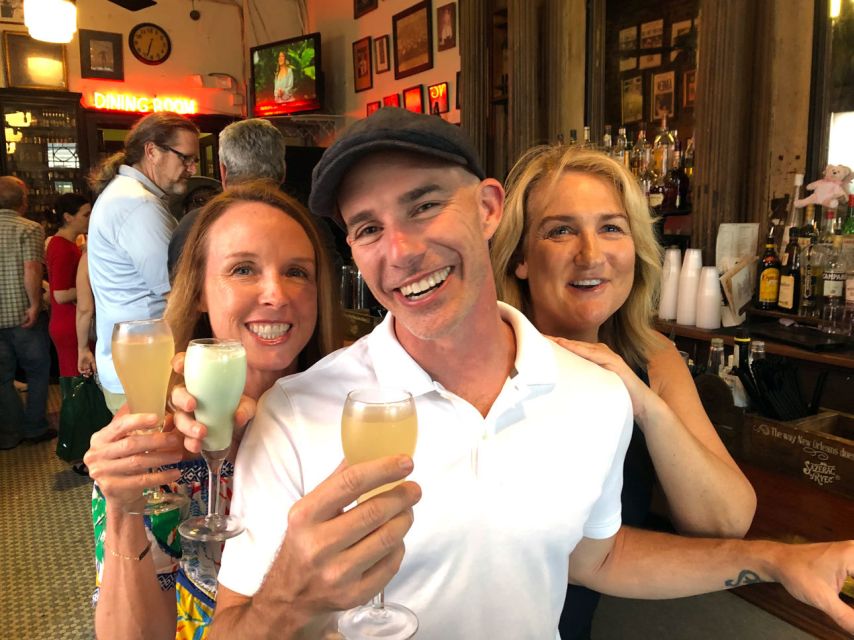
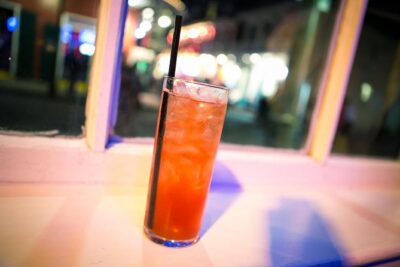
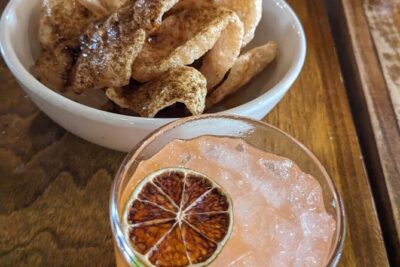
The first pour comes as evening arrives, starting at Patrick’s Bar Vin and then moving into a luxurious wine bar’s tropical courtyard. You kick off with a homemade rum punch, and it’s a smart start. Rum punch feels social and rooted in tradition, and it sets the tone for the rest of the night: craft drinks with a story behind them.
This opening stop usually feels like the fastest way to relax. You’re not yet being asked to compare flavors like a judge—you’re learning the “big picture” idea that cocktails in New Orleans often grew out of culture, community, and practical creativity.
The 3rd Block Depot Choice: Sazerac (Medicinal Roots) or Brandy Crusta
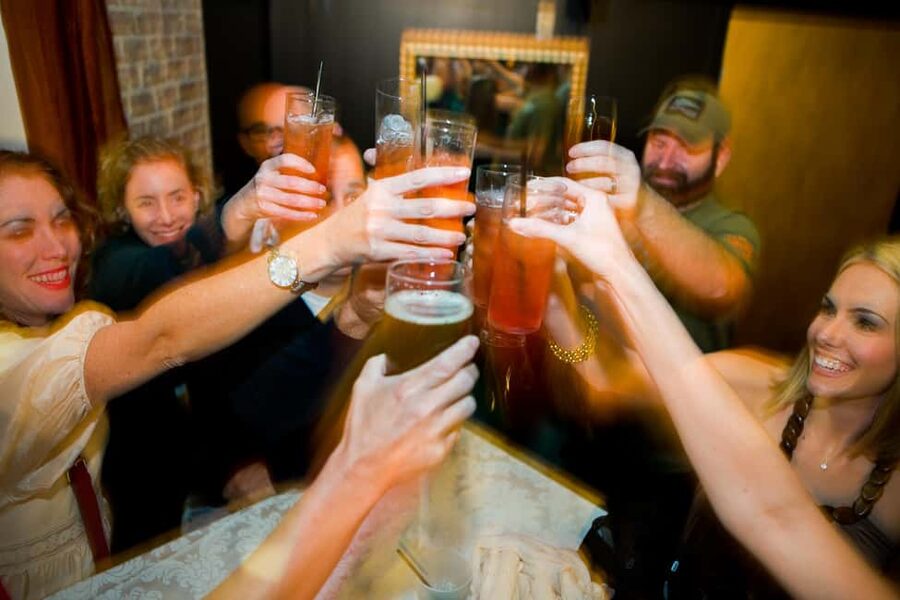
Next you head to 3rd Block Depot, described as a modern saloon housed in a 19th-century icehouse. It’s the kind of setting that makes you feel like you’re inside the city’s older bones, even while the bar has contemporary energy.
Here’s where you get a real decision:
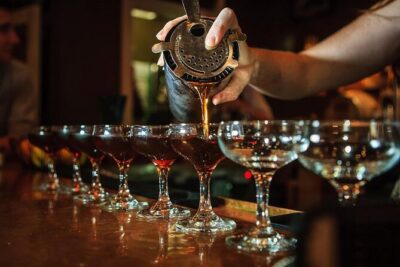
- Try the Sazerac, with its origins tied to a 19th-century Creole apothecarist—a reminder that cocktails were sometimes treated as medicine.
- Or choose the Brandy Crusta, a pre-civil-war style drink.
Either option fits the theme of the night: New Orleans didn’t just invent drinks for parties. It also shaped drinks for status, ritual, and everyday life. When your guide connects the name on the menu to the world that produced it, the taste feels less random and more earned.
More of the city's three centuries
Peychaud’s Bar for Pre-Prohibition Creativity: Pimm’s Cup or Ojen Frappé
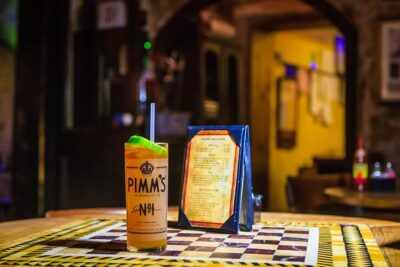
Then it’s off to Peychaud’s Bar, a venue known for its craft approach and its place in New Orleans cocktail lore. This stop leans into invention right before Prohibition-era change, with you sampling one of two options.
You’ll choose between a Pimm’s Cup—lighter and refreshing—or the Ojen Frappé, a style associated with Carnival-time favorites. That pairing is clever because it gives you contrast. One drink feels like a breezy palate reset, while the other gives you a sense of how New Orleans festivities shaped cocktail demand.
This is also where a good guide makes a difference. Some nights you’ll hear more than just history facts; you’ll get a narrative that explains how New Orleans drinking culture used seasonal events, ingredients, and social rhythms to keep cocktails evolving.
Bourbon ‘O’ Bar Finale: The Roffignac Highball and Jazz at 8pm
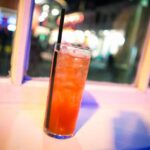
Your last stop is Bourbon ’O’ Bar, where you’ll try the Roffignac highball. It’s described as an obscure but beloved local nod to the city’s last French-born mayor, which is exactly the kind of detail that turns a drink from familiar-ish to suddenly interesting.
This finale matters for a second reason: the bar also has live local jazz starting at 8pm. Your tour timing is designed for an early evening experience, so if you’re there at the right moment, you can catch at least part of the set. Either way, ending here makes the night feel like it belongs to New Orleans music as much as it belongs to cocktails.
If you like your last drink slightly drier, taller, and more “sip-slow,” highballs are a great ending style. They keep you from feeling like the alcohol is only heavy. They also let the jazz do its job after you finish tasting.
What the Absinthe and Sazerac Stories Add to the Drinks
The tour’s big promise is a “big picture” view of cocktail history, and that’s not fluff when it’s done right. The guide explains the real scoop on absinthe, then connects Sazerac’s origins to the idea that cocktails weren’t just entertainment.
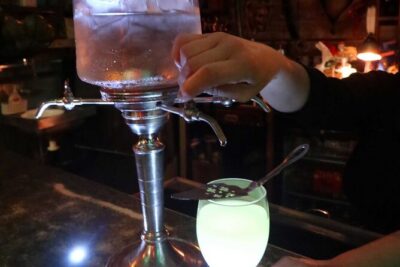
Absinthe often comes with myth—especially when people only hear the modern legends. A good tour helps you separate the vibe from the reality: what absinthe meant in its time, why it became a talking point, and how reputation travels faster than facts. Even when you don’t know anything going in, you usually come away with a clearer sense of what made absinthe compelling in the first place.
The Sazerac story is more than name-dropping. The tour points out how cocktails were tied to practical ideas like medicine. When your guide frames the Sazerac this way, you taste more intention in the drink rather than treating it as a standard bar order.
How the Drinks Feel Across Four Stops
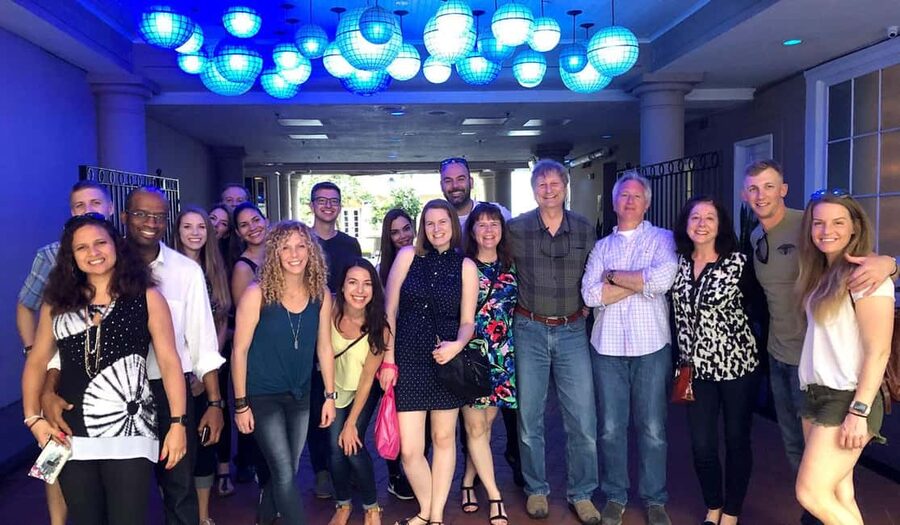
You’re sampling four craft drinks over about 3 hours, so you’re not doing a marathon tasting. Instead, you get spaced moments that let you pay attention. Each drink is tied to a specific era or local story, and the pacing helps you remember what you were told—especially if you ask questions.
Also, the venue mix tends to keep things interesting. You go from a tropical-courtyard wine bar mood to a 19th-century-structure saloon feeling, then to a classic cocktail bar environment, and finally to Bourbon ’O’ Bar. That variation is part of the value. You’re learning history, but you’re also getting an honest look at how the French Quarter’s bar scene moves across different styles and vibes.
Price and Value: What You’re Really Paying for at $95
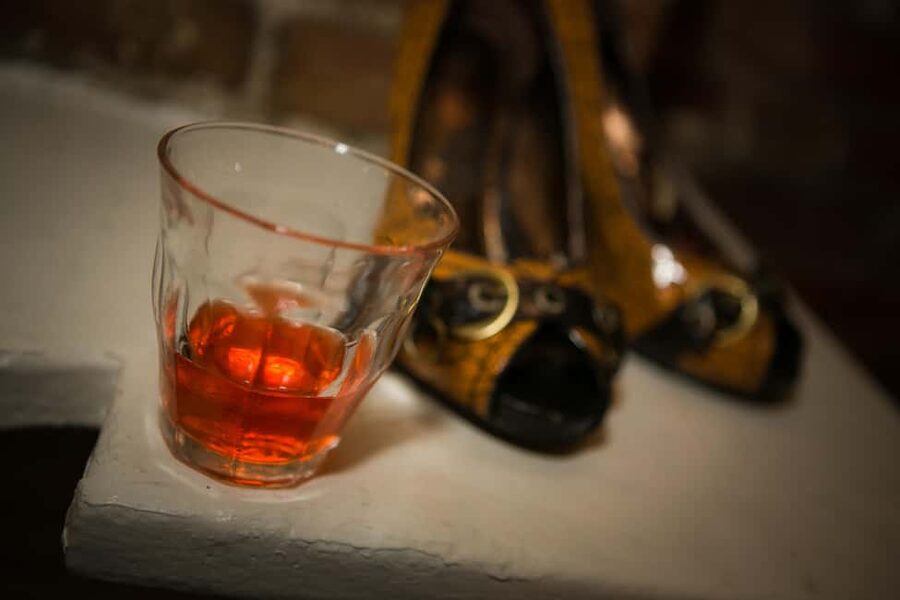
At $95 per person for about 3 hours, the math is fairly straightforward: you’re paying for four cocktails plus a local guide who turns the night into more than drinking. Even if you only think of it as the alcohol cost, the drinks are built around craft bars and guided stops—so you’re not getting a cheap bar crawl feel.
The bigger value is the interpretation. You’re not just tasting; you’re learning why these drinks show up in New Orleans conversations again and again. That kind of guide-led context is hard to replicate on your own unless you already know what you’re looking for.
Gratuities to servers and bartenders are included, which also helps. The tour includes what most people end up paying anyway when they’re out drinking. Your optional decision is the guide’s tip—if you liked the storytelling, tipping makes sense.
The One Big Watch-Out: No Food Means Plan Ahead
Here’s the clearest practical note: there’s no food included. That’s not a dealbreaker, but it changes how you prepare.
Eat beforehand so you can enjoy the drinks instead of just tolerating them. I’d also pace yourself during each stop and drink water between venues, especially with a rum punch early in the tour. The goal is to savor the history with your taste buds intact.
If you’re prone to feeling tipsy quickly, consider going with a slower sipping strategy and holding off on any extra drinks after the tour until you’ve checked in with how you feel.
Guides Make This Tour: Cat, Beth, Mike, Ben, and Lindsay
What shows up again and again is that the guide is part of the product. Some guides are described as prompt and natural in the way they talk. Others bring humor without losing the thread of the historical narrative.
Names you may run into include Cat, Beth, Mike, Ben, and Lindsay—and the common thread is that they help you connect the dots. You’re not only hearing facts; you’re getting the explanation behind why a particular cocktail belongs in this city’s timeline.
I also like the reported detail that some guides help you experience nicer interior spots—like special backrooms or balconies—depending on the bar. That’s the kind of small surprise that makes the night feel more than standard bar-hopping.
Who Should Book This Tour (and Who Might Want Another Option)
This tour is a great fit if you:
- like history but prefer it delivered through something you can taste
- want a guided French Quarter experience without planning every stop yourself
- enjoy craft cocktails, especially classics with a clear origin story
- want a social night that still has structure
You might think twice if you:
- hate drinking multiple cocktails in a single session (even with four drinks)
- want dinner included or a more food-forward outing
- prefer very flexible wandering time over guided pacing
If you’re traveling with friends and you want a shared experience you can discuss later—absinthe myths, Sazerac roots, and that Roffignac highball trivia—this is an easy win.
Should You Book This Cocktail History Tour?
I’d book it if you want an early evening activity that feels like New Orleans, not just another tourist checklist. The combination of four craft drinks, a guide who explains the “why,” and stops in meaningful bars makes it worth the $95 price tag for most people who enjoy cocktails.
Book it especially if you’re curious about the older side of cocktail culture—when drinks were tied to medicine, festivals, and local identity. If you take one thing from this review, make it this: eat beforehand, go in with curiosity, and you’ll get a night that feels both fun and oddly satisfying in how the pieces fit together.
FAQ
How long is the New Orleans early evening cocktail history tour?
It lasts about 3 hours. Starting times vary, so you’ll want to check availability for the time that works for your schedule.
What’s included in the price?
The tour price includes a local guide, 4 cocktails, and gratuities to servers/bartenders.
Do I get to choose which cocktails I try?
At certain stops, yes. The 3rd Block Depot stop offers a choice between Sazerac or Brandy Crusta, and the Peychaud’s Bar stop offers a choice between a Pimm’s Cup or an Ojen Frappé.
Is food included on the tour?
No. Food isn’t included, so plan to eat before the tour starts.
Where do I meet, and where does it end?
You meet at 730 Bienville St at Patrick’s Bar Vin. The tour ends back at the meeting point.
Do I need ID or be a certain age?
Yes. You must be 21 or over, and you should bring a passport or ID card in case the guide asks to see it.
More Tours in New Orleans

More Tour Reviews in New Orleans
More Cocktails & Speakeasies

Just added to The New Orleans Traveler
Cocktail Tours, compared.
 ★ 5.0Cocktail and Food History TourFrom $160819 reviews
 ★ 4.5Original Craft Cocktail Walking TourFrom $28675 reviews
 ★ 5.0Cocktail History Walking Tour in the French QuarterFrom $95604 reviews
 ★ 5.0French Quarter Small-Group Cocktail and Foodie CrawlFrom $115519 reviews
 ★ 4.9Combo Cocktail and Food History TourFrom $160180 reviews
 ★ 5.0Spirits: New Orleans Cocktail & Ghost TourFrom $30115 reviews
 ★ 4.5Cooking Class and Cocktail Walking TourFrom $105109 reviews
 ★ 5.0Haunted French Quarter Original Cocktail TourFrom $4480 reviews
Browse the lists this tour appears in