
Reviewed · HISTORICAL TOURS
New Orleans: 9th Ward Hurricane Katrina History Tour
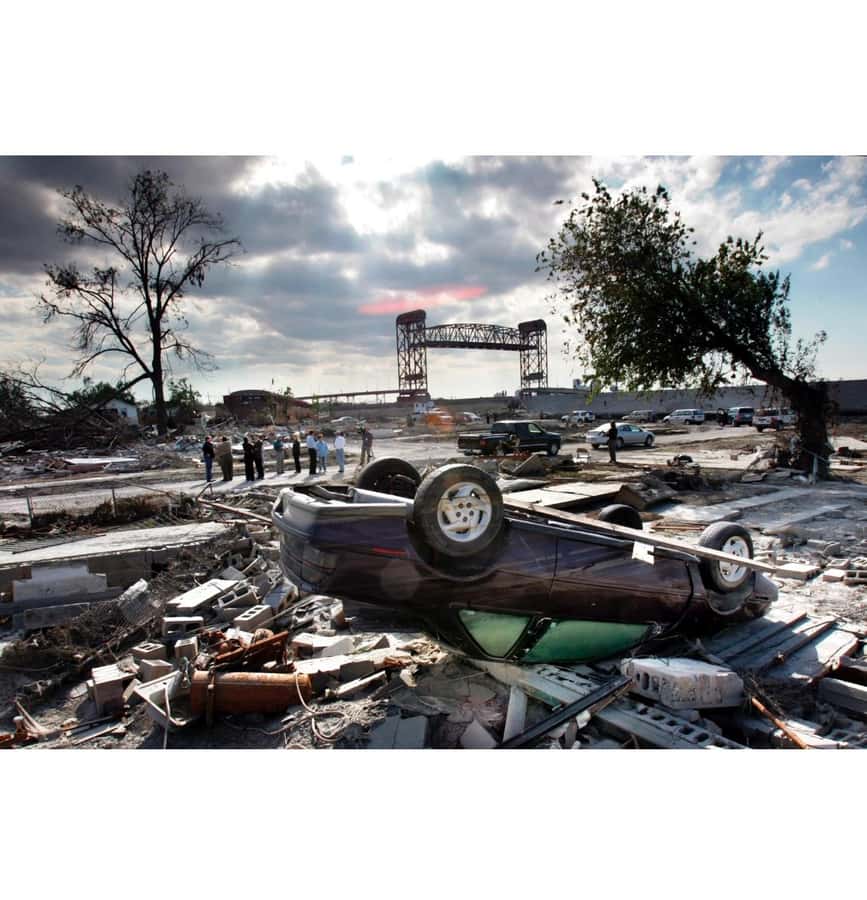
The Ninth Ward tells a truth that sticks. On this 1-hour van tour in New Orleans, you’ll ride through the places hit hardest by Hurricane Katrina, guided by a local who knows these streets from the inside—often including the Ninth Ward and key recovery landmarks.
I like two things a lot. First, the small group size (limited to 7) makes it easier to ask real questions and linger during stops when the guide feels it’s appropriate. Second, you don’t just hear facts—you see major sites, from levee breach locations and the memorial at Old St. Claude Hospital to the rebuilding work that followed.
One thing to plan for: this tour’s route can change, and some stops may be swapped due to weather, construction, or local events. Also, it’s only 1 hour, so it’s powerful but fast, and it can feel heavy if you’re not ready for personal stories of loss and resilience.
In This Review
- Quick Hits: What Makes This Katrina Tour Special
- Why the Ninth Ward Katrina Story Feels Different
- The Van, the Group Size, and Why 7 People Matters
- Meeting Point: How to Avoid the Start-of-Tour Chaos
- Levee Breaches Along the Mississippi and Lake Pontchartrain
- Old St. Claude Hospital Katrina Memorial: A Place for Real Reflection
- Make It Right Homes: Seeing Rebuilding, Not Just Hearing About It
- Musicians’ Village: Culture Survives, Even After the Flood
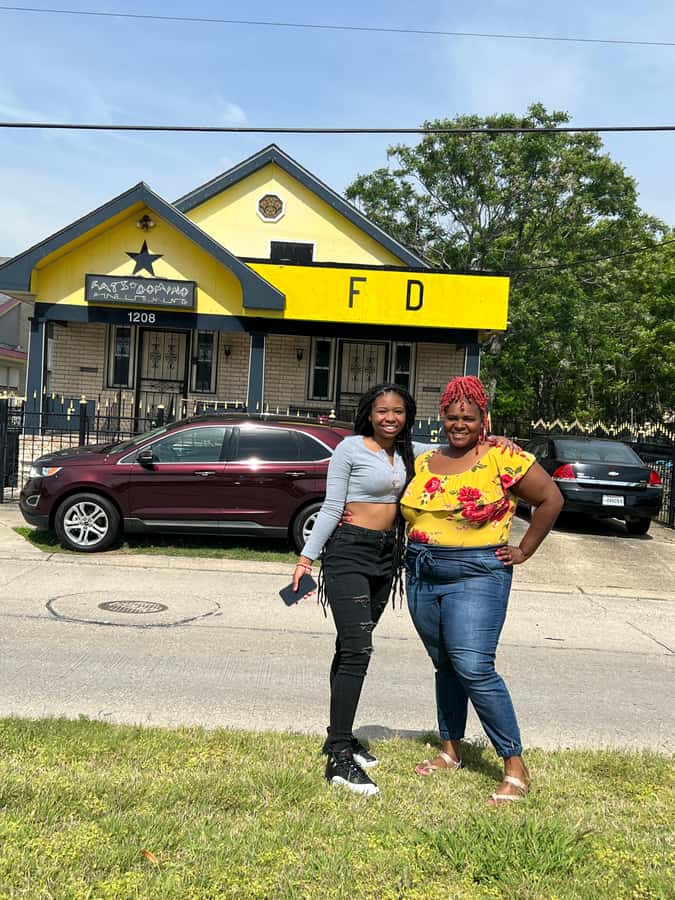
- Fats Domino’s Home Stop: Connecting Katrina to the Music City
- What the Guide Experience Usually Feels Like (In a Good Way)
- How to Get the Most Out of Only 1 Hour
- Route Flexibility: Why Stops Might Change
- Pair It With a Full New Orleans Day (Music, King Cake, and More)
- Price and Value: Is $25 Worth It?
- Who Should Book This Tour
- Should You Book the New Orleans 9th Ward Hurricane Katrina History Tour?
- FAQ
- FAQ
- How long is the Ninth Ward Hurricane Katrina history tour?
- What does the tour cost?
- How big is the group?
- What language is the tour guide?
- Where does the tour start and end?
- Will the route always include the same stops?
- What major places are included on the tour?
- Is there free cancellation?
Quick Hits: What Makes This Katrina Tour Special
- Local, community-rooted guiding gives context beyond the headlines.
- Levee breach viewpoints along the Mississippi River and Lake Pontchartrain explain what failed and what followed.
- Old St. Claude Hospital Memorial in the 9th Ward provides a clear place to reflect.
- Rebuilding you can still see at Make It Right homes and Musicians’ Village.
- Fats Domino’s home stop connects the disaster-era story back to New Orleans music culture.
- Small-group pacing often allows short wanders and extra time for questions and photos.
More of the city's three centuries
- New Orleans Garden District History Walking Tour★ 5.0 · 2,879 reviews
- French Quarter Historical Sights and Stories Walking Tour★ 5.0 · 2,724 reviews
- New Orleans Small-Group Haunted History Carriage Tour★ 4.5 · 2,289 reviews
- New Orleans Haunted History Ghost Tour★ 4.5 · 2,084 reviews
Why the Ninth Ward Katrina Story Feels Different
New Orleans after Katrina isn’t one single story. It’s many, layered right onto the ground: neighborhoods that were physically erased, families pushed into new realities, and recovery shaped by politics, money, and long-term decisions.
This is why I find this tour compelling. In about an hour, you’re not treated like you’re on a postcard route. Instead, you’re sent to specific places that connect the disaster mechanics (levees and water) with the human and community aftermath (what got rebuilt, what didn’t, and what’s still changing).
The Van, the Group Size, and Why 7 People Matters
Small tours can sound like marketing. Here, group size is part of the point. With a limit of 7 participants, your guide can slow down when something needs explanation, and you’re more likely to get a real back-and-forth instead of one-way narration.
I also like the human scale of the experience. The guide is described as local—born and raised in the neighborhoods affected. In reviews, this comes through as both personal and factual: people heard candid stories alongside clear historical framing, not just one or the other.
Meeting Point: How to Avoid the Start-of-Tour Chaos
You’ll want to handle this early. The tour requires you to call to confirm the meeting location the day before. The activity also ends back at the meeting point, so you’re not left guessing about how to get back to your base.
Because the route is flexible, the meeting point details matter even more than usual. Plan for a quick phone call, not a last-minute scramble.
Levee Breaches Along the Mississippi and Lake Pontchartrain
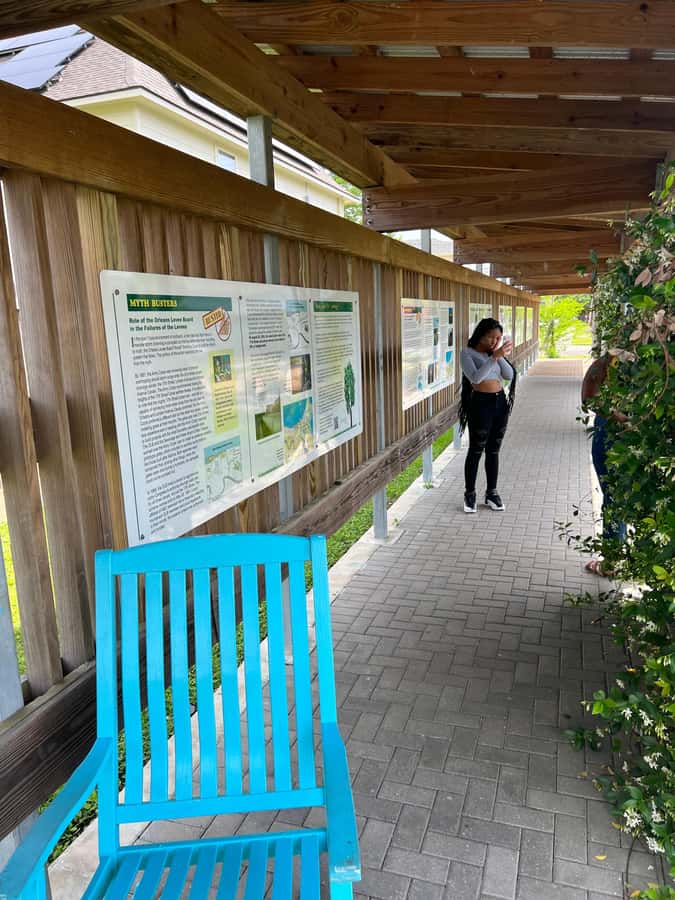
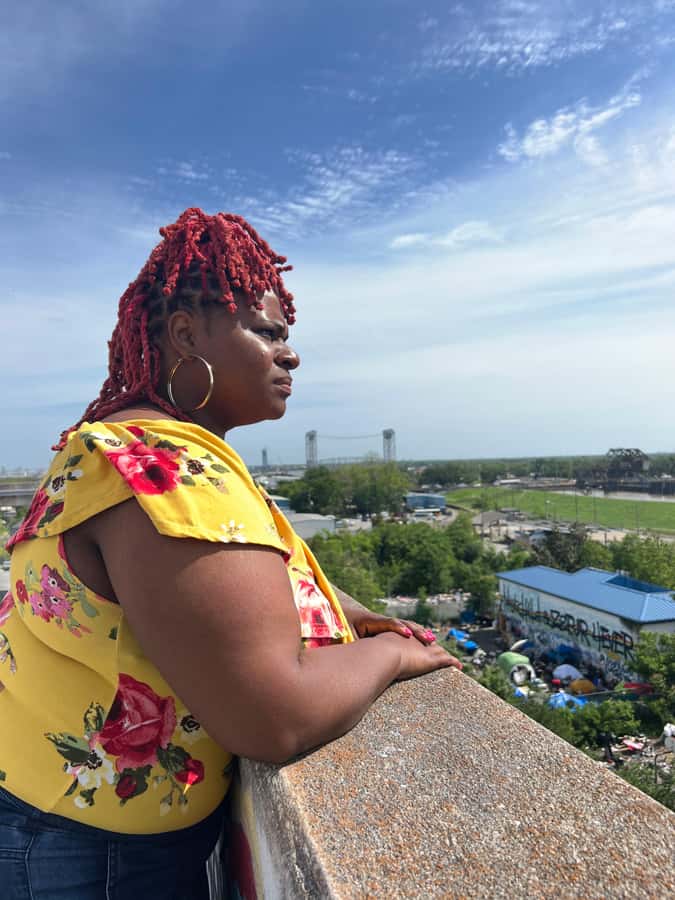
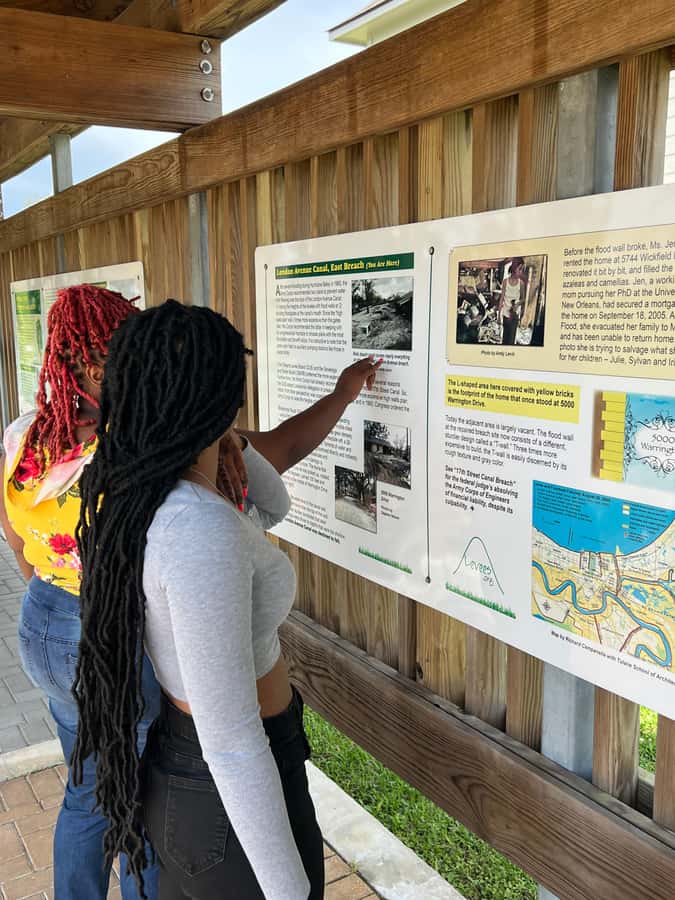
The most technical parts of Katrina are also the most important. This tour includes stops viewing where levees breached along the Mississippi River and Lake Pontchartrain, which helps you understand why the water arrived the way it did.
In plain terms, this kind of stop turns a news story into something you can see. You get to connect the idea of a levee failure to the geography of New Orleans’ water system and the reality of how quickly neighborhoods can be overwhelmed.
One practical bonus: the guide is said to show photos and explain how high water came up near homes. Even if you’ve read about Katrina before, seeing the material described from this vantage tends to make it feel sharper and less abstract.


Old St. Claude Hospital Katrina Memorial: A Place for Real Reflection

A tour like this earns its name with the stops that don’t try to move too fast. One of the anchor moments is the Hurricane Katrina Memorial located at Old St. Claude Hospital in the 9th Ward.
Memorial stops work best when they give you time to absorb and, when appropriate, pay respect. In reviews, people described feeling that the experience wasn’t only informational—it helped them process the meaning of what happened there and in the surrounding area.
If you’re sensitive to heavy topics, give yourself a minute before you start taking photos. This stop isn’t about visuals; it’s about acknowledging what the community endured.
Make It Right Homes: Seeing Rebuilding, Not Just Hearing About It
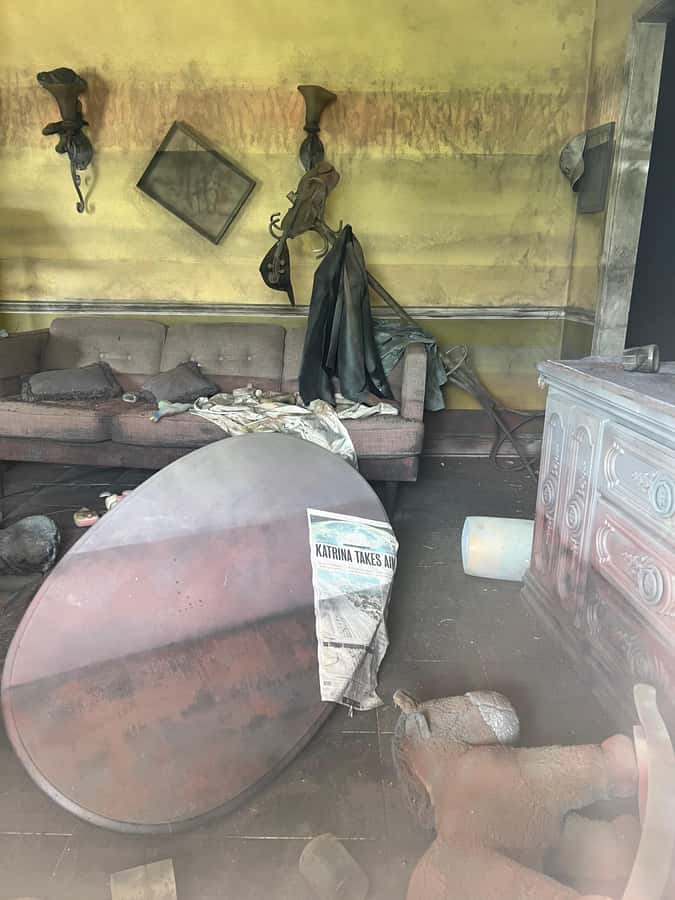
Katrina recovery can sound like a debate from afar. On the ground, it becomes architecture, streetscapes, and lived experience.
This tour includes a visit to revitalization projects like the Make It Right homes. What I like about this stop is that it shifts you from disaster mechanics to human response. You can see how people tried to rebuild with new ideas while also recognizing that rebuilding never restores everything the same way.
There’s also value in contrast. When you pair this with memorial sites and levee breach viewpoints, the rebuilding project doesn’t feel like a feel-good detour—it reads as part of the same long timeline.
Musicians’ Village: Culture Survives, Even After the Flood
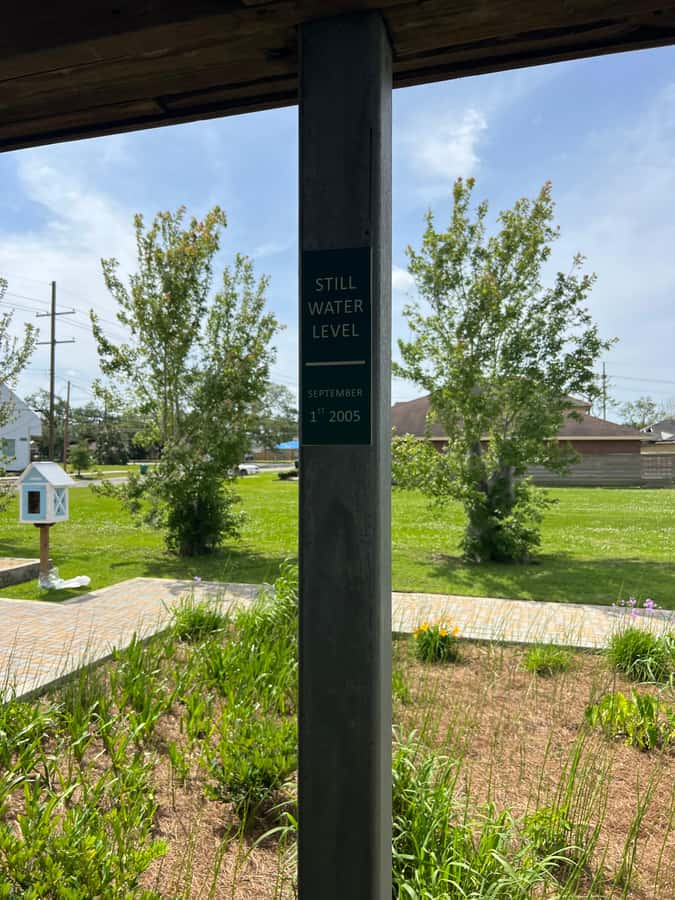
New Orleans has always been about music and community identity. After Katrina, cultural spaces mattered just as much as housing, because they help communities keep their rhythms while rebuilding catches up.
This tour includes a stop at Musicians’ Village, a recovery project connected to New Orleans’ musical legacy. It’s a meaningful shift from the devastation-focused parts of the ride. You still remember the losses, but you also see how residents and supporters worked toward continuity.
In a place like the 9th Ward, culture isn’t a separate topic. It’s part of how people maintain dignity and belonging when everything else is disrupted.
Fats Domino’s Home Stop: Connecting Katrina to the Music City
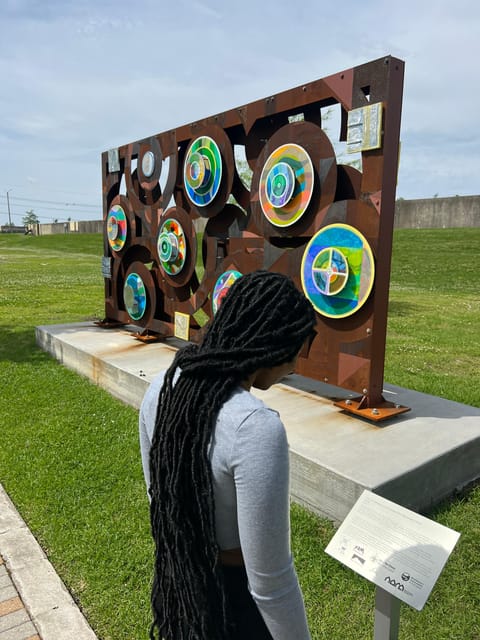
One of the more surprising stops on this tour is Fats Domino’s home. It’s not a random celebrity detour. It’s a reminder that the Ninth Ward story is also a story of New Orleans identity, creativity, and who lived here before and after the storm.
If you came to New Orleans mainly for music and food, this stop helps you connect the city’s cultural engine to the neighborhoods Katrina reshaped. You see how deeply the music story is tied to the same communities that suffered the most.
What the Guide Experience Usually Feels Like (In a Good Way)
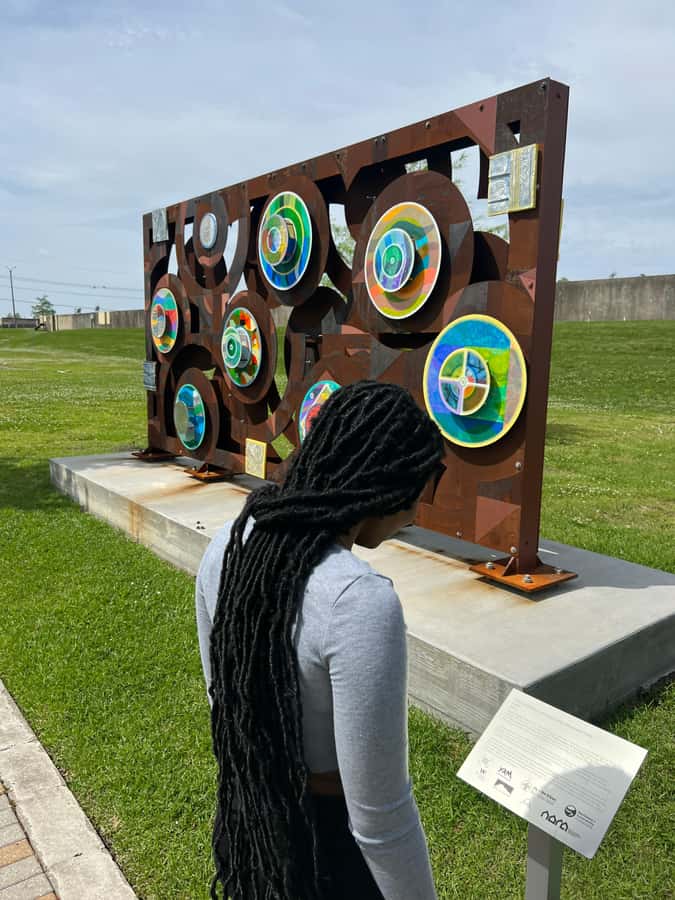
This is where this tour earns its high marks. Reviews repeatedly mention guide-to-group interaction: the guide answers questions, shares local context, and uses personal perspective without turning the tour into a rant.
One specific name comes up in reviews: Hollis, described as a local pillar with the ability to explain both what happened and what it meant for people afterward. People also noted that a small group format let them stop, wander around certain areas, and in some cases even touch a levee when conditions allowed.
That might not sound like much, but it changes the feeling of the tour. Getting close to the physical reality of a levee—briefly, safely, and only when appropriate—makes the story land in your body, not just your mind.
How to Get the Most Out of Only 1 Hour
Because the tour is 1 hour, your best move is to come with a few questions ready. You’ll get more from it if you’re not trying to remember every fact. Instead, focus on themes the guide can unpack quickly.
Here are smart question starters you can ask:
- How did levee failures translate into neighborhood impact differently across the area?
- Which recovery choices helped, and which didn’t, and why?
- What does the Ninth Ward need now, compared with what it needed right after Katrina?
Also, be ready for discussion. In reviews, groups described time for questions and thoughtful talk among attendees, not just lecture-style delivery.
Route Flexibility: Why Stops Might Change
This tour doesn’t promise every stop every time. The route is flexible and may change due to local conditions, including weather, construction, or events, and some sites may be substituted.
Here’s the practical way to think about that: you’re still getting the core purpose—recovery context in the most impacted areas—just with adjustments to make the ride work that day.
If you’re planning around a tight schedule, keep a little buffer on either side. The tour is designed to respond to what’s workable, not to force a rigid script.
Pair It With a Full New Orleans Day (Music, King Cake, and More)
This tour can make the rest of your day feel more grounded. When you return to the lighter side of New Orleans, you’ll notice details differently, because you’ve seen what the city went through.
In reviews, the guide Hollis gave specific off-tour suggestions. One mentioned recommendation was B Sweet for King Cake on Rampart Street. Another was the Mardi Gras museum to see his costume as King of the Mardi Gras. If your guide shares similar ideas, take them seriously. They’re usually the kind of local leads you wouldn’t find by yourself.
Keep it simple: after a heavy history segment, choose one more activity that matches your energy level.
Price and Value: Is $25 Worth It?
At $25 per person, this tour sits in the “good value” zone for New Orleans, especially since it’s a guided van ride with multiple major sites built into one compact timeframe.
What makes the price feel fair isn’t only transportation. It’s the combination of:
- a local guide with community ties,
- key Katrina-related locations (levee breach viewpoints and the Old St. Claude memorial area),
- and visible recovery projects like Make It Right homes and Musicians’ Village.
Would I want more than an hour? Sure, if you crave maximum detail. But as a starting point that connects disaster to present-day reality, the time-and-cost balance is strong.
Who Should Book This Tour
This fits best if you:
- want the Ninth Ward story from a local voice,
- care about seeing real-world recovery projects rather than only reading about them,
- like small-group tours where questions are welcome,
- can handle emotional subject matter with respect.
If you prefer only light, comedy-first New Orleans content, this may feel like a mood shift. Still, it can be a valuable counterweight to the city’s party reputation.
Should You Book the New Orleans 9th Ward Hurricane Katrina History Tour?
Yes, if you want a meaningful New Orleans experience that goes past the headlines. This one earns attention because it focuses on specific places tied to Katrina’s impact, guided by someone with deep neighborhood connections, and it uses a small-group format that makes the hour feel personal rather than rushed.
Book it if you want your visit to New Orleans to include honest context and real recovery. Consider passing if you’re looking for a short, upbeat, carefree sightseeing loop. For the right mindset, this tour is one of the most direct ways to understand the city’s past and why its present looks the way it does.
FAQ
FAQ
How long is the Ninth Ward Hurricane Katrina history tour?
It runs for 1 hour. Starting times vary, so you’ll want to check availability.
What does the tour cost?
The price is listed as $25 per person.
How big is the group?
The tour is a small group with a limit of 7 participants.
What language is the tour guide?
The live tour guide provides the tour in English.
Where does the tour start and end?
The activity ends back at the meeting point. You’re asked to call the day before to confirm the meeting location.
Will the route always include the same stops?
Not necessarily. The route is flexible and may change due to weather, construction, or local events, and some specific historical sites might be substituted.
What major places are included on the tour?
The tour includes stops such as the Hurricane Katrina Memorial at Old St. Claude Hospital, levee breach locations along the Mississippi River and Lake Pontchartrain, recovery projects like Make It Right homes and Musicians’ Village, and a stop at Fats Domino’s home.
Is there free cancellation?
Yes. There’s free cancellation up to 24 hours in advance for a full refund.
More History of New Orleans


More Tours in New Orleans

More Tour Reviews in New Orleans
Just added to The New Orleans Traveler



Historical Tours, compared.
 ★ 5.0Garden District History Walking TourFrom $352,879 reviews
 ★ 5.0French Quarter Historical Sights and Stories Walking TourFrom $352,724 reviews
 ★ 4.5Small-Group Haunted History Carriage TourFrom $652,289 reviews
 ★ 4.5Haunted History Ghost TourFrom $302,084 reviews
 ★ 4.5Paddlewheeler Creole Queen Historic Mississippi River CruiseFrom $471,948 reviews
 ★ 5.0Food and History Walking TourFrom $851,544 reviews
 ★ 4.3Creole Queen History Cruise with Optional LunchFrom $471,112 reviews
 ★ 5.0Cocktail and Food History TourFrom $160819 reviews
Browse the lists this tour appears in