

Reviewed · GARDEN DISTRICT TOURS
Garden District Celebrities Cemeteries Mansions and Mysteries Walking Tour
Ghost stories and grand mansions in two hours. You’ll knock out a stack of Garden District must-sees while your guide connects the architecture to the people, tragedies, and legends that shaped the neighborhood. Expect a Lafayette Cemetery #1 stop plus a string of famous Prytania and Coliseum addresses in a tight, easy-to-follow loop.
I especially like that the tour moves fast without feeling rushed: each stop is short, but the guide shares the kind of context you’d miss walking solo. I also like the practical format, with a mobile ticket, English-only tour, and a small group cap of 35.
One consideration: this is a highlights-and-stories route, not a slow, sit-and-study museum day. If you want to linger for long inside any single place, plan to arrive with a mindset for quick looks and big story energy.
In This Review
- Key Tour Highlights You’ll Feel Right Away
- A Two-Hour Garden District Checklist With Cemetery Side Quests
- Start at 1448 Fourth St: Walk Time, Small Groups, and Easy Flow
- Lafayette Cemetery No. 1: Above-Ground Vaults and Yellow Fever Legends
- Colonel Short’s Villa and the Cast-Iron Sugarcane Fence
- 2523 Prytania St: When Greek-Italianate Revival Feels Like a Secret Keeper
- Women’s Guild of the New Orleans Opera: Gothic, Italianate, Greek Revival in One Face
- 2340 Prytania St, Buckner Mansion, and the Garden District’s Plantations-Through-Time Energy
- The Seven Sisters: Shotgun Houses With a Father’s Story and a Family Legend
- Morris-Israel House and Brevard Clapp Wisdom House: Wealth, Sorrow, and Phantom Footsteps
- 2415 Coliseum St and 2627 Coliseum St: Cold Spots, Ironwork, and a Victorian Swiss Chalet
- Commander’s Palace Stop: Creole Food Fame Meets Ghost Lore
- Price and Value for $26: What’s Included (and What Isn’t)
- Who Should Book This Ghost-Focused Garden District Tour
- Should You Book It: My Practical Verdict
- FAQ
- How long is the Garden District walking tour?
- How much does the tour cost?
- Is the tour in English?
- Do I need admission tickets for the stops?
- Where does the tour start and end?
- How much walking is involved?
- What’s included in the price?
- Can I cancel for a full refund?
- Are guide tips included?
Key Tour Highlights You’ll Feel Right Away

- 12 major stops in about 2 hours, including Lafayette Cemetery #1
- Only around 40 minutes of walking total, with the rest spent at stops
- Free admission at every listed stop, so your $26 covers the guided experience
- A professional, courteous guide with well-researched history
- Small group size (max 35), so it stays manageable for questions
- Easy location anchor at 1448 Fourth St, with the tour ending back there
Keep strolling the oak-lined Garden District
- New Orleans Garden District History Walking Tour★ 5.0 · 2,879 reviews
- New Orleans City Tour: French Quarter, Garden District & Cemetery★ 4.5 · 2,209 reviews
- New Orleans Small-Group Garden District Walking Tour★ 5.0 · 1,384 reviews
- New Orleans City and Cemetery Tour with Garden District Stroll★ 4.5 · 766 reviews
A Two-Hour Garden District Checklist With Cemetery Side Quests
This tour is built for people who want to understand the Garden District in one concentrated hit. You get the architecture, the big-name addresses, and the darker New Orleans stories that cling to certain gates, balconies, and staircases.
The vibe is half history lesson, half spooky neighborhood walk. You’re not stuck in a lecture hall. Instead, you’re seeing the places where the stories attach themselves: above-ground tombs in a city of the dead, and mansions where legends claim the past never really clocks out.
It’s also a smart option if your time is limited. With a 2-hour runtime and a route that’s mostly walking between nearby stops, you can fit it into a busy day without turning the rest of your plans into a domino effect.
One more thing I like: the pace is consistent. Stops are short (about 10 minutes each), so you’re not waiting around for long, and the tour keeps you moving through the neighborhood’s key blocks.
Start at 1448 Fourth St: Walk Time, Small Groups, and Easy Flow
You’ll meet at 1448 Fourth St, New Orleans, LA 70130, and the tour ends back at the same spot. That matters because Garden District streets can be confusing, and it’s nice not to scramble for a new endpoint when you’re done.
Plan for about 2 hours total, and know that the actual walking portion is about 40 minutes. The rest of the time is spent at the stops themselves, which helps if you’re tired of long sightseeing stretches.
Group size is kept to a maximum of 35 people. That number is large enough to run smoothly, but small enough that you still have a real chance to ask questions and get answers.
You’ll also have it easier with a mobile ticket and English as the offered language. Confirmation comes within 48 hours of booking, if there’s availability, so it’s usually low-stress to lock in your spot.
Finally, this tour type books up in advance. If you’re traveling on a peak date, aim to reserve sooner rather than later, since the average booking window is about 28 days ahead.
Lafayette Cemetery No. 1: Above-Ground Vaults and Yellow Fever Legends
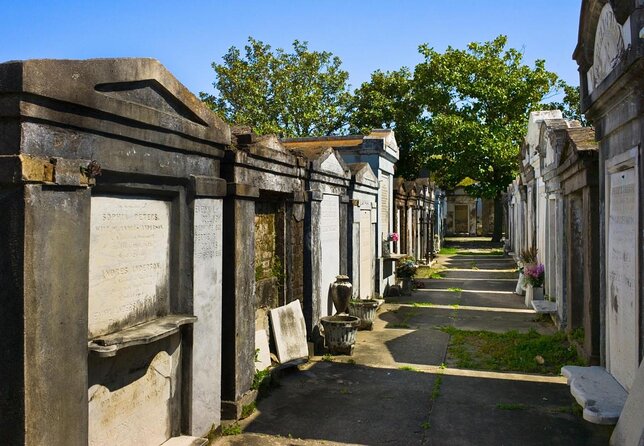
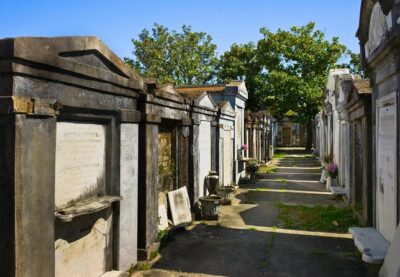
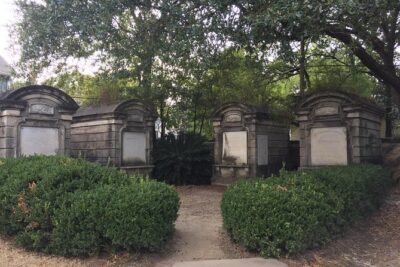
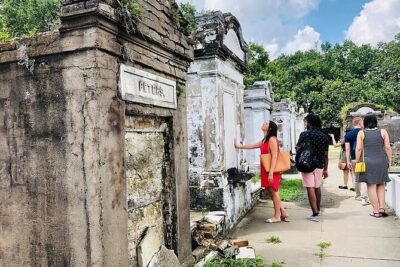
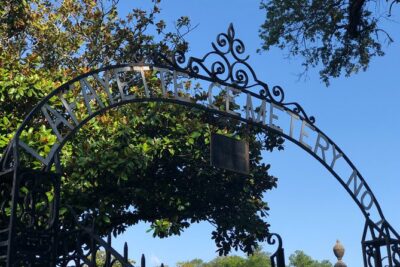
Your first major stop is Lafayette Cemetery No. 1, one of the most recognizable cemetery landscapes in the city. It’s famous for the ornate tombs and ironwork gates that seem to belong in a gothic postcard, but the guide also brings in the practical reason behind the style: above-ground vaults were built to handle the swampy terrain.
This is where the tour’s tone sets itself. The stories here aren’t just spooky for shock value. They’re tied to real epidemics and New Orleans life—like the legend that some spirits associated with yellow fever victims still wander among the crypts seeking peace.
Even if you’re not into haunted lore, this is still a history-and-design stop. The cemetery helps you understand why New Orleans memorial culture looks the way it does, and why so many cemeteries feel like outdoor architecture museums with a human pulse.
A practical tip: come with closed-toe shoes and stay aware of your footing. The cemetery is a walking space, even though the stop is about 10 minutes.
Colonel Short’s Villa and the Cast-Iron Sugarcane Fence
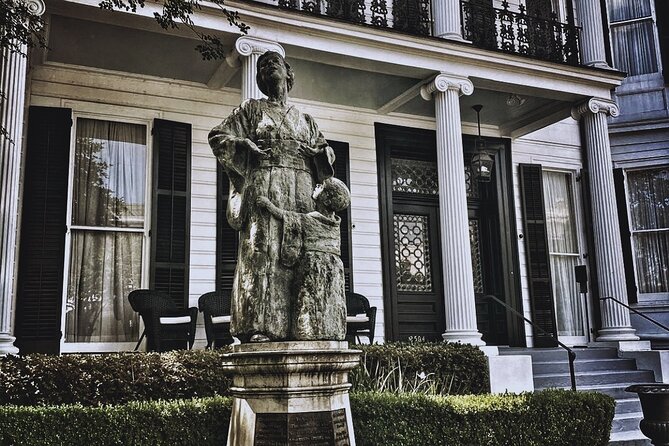
Next you’ll hit Colonel Short’s Villa, an Italianate mansion known for a signature feature: a cast-iron fence designed to resemble sugarcane. It’s a visual clue that connects the home to plantation-era wealth and branding—New Orleans didn’t just grow sugar, it also staged status.
During the Civil War, the property was seized by Union General Nathaniel Banks, and the guide uses that historical shift to frame the legend that a presence still lingers. You’ll hear claims about the atmosphere inside—like the idea of cigar smoke hanging in the air and the feeling of unseen eyes watching from balconies.
Whether you take the ghost stories literally or treat them as living folklore, the architectural details are what you’ll remember. The fence, in particular, gives you something concrete to look at while the guide explains the symbolism behind it.
This stop is also a good example of how the tour balances the spooky and the real. The legend adds color, but the historical timeline keeps you grounded.
More walks among the above-ground tombs





2523 Prytania St: When Greek-Italianate Revival Feels Like a Secret Keeper
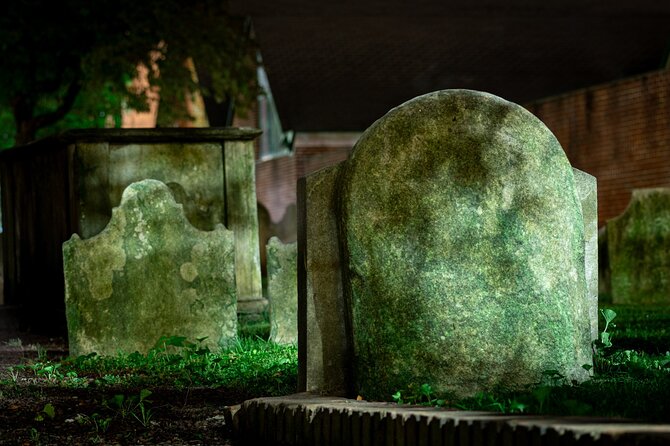
At 2523 Prytania St, you’ll see why the Garden District is so visually addictive. This was once the neighborhood’s largest building, and it’s described with a nickname tied to how it towers over the area—a place where columns and cornices show off 19th-century craftsmanship.
The architectural language here is Greek-Italianate revival, which means you’re looking at a blend of classic forms and ornament, designed to project both learning and wealth. And the story attached to it is a little uneasy: people associate the home with an unsettling energy, as if it’s hiding long-buried secrets.
That’s a useful lesson for how to read the neighborhood. New Orleans doesn’t just build houses. It builds myths, and those myths live on in local storytelling.
You’ll get about 10 minutes here, so I’d treat it like a guided photo walk plus a story brief. Pay attention to proportions: the scale and the vertical emphasis are what make the house feel like a centerpiece.
Women’s Guild of the New Orleans Opera: Gothic, Italianate, Greek Revival in One Face
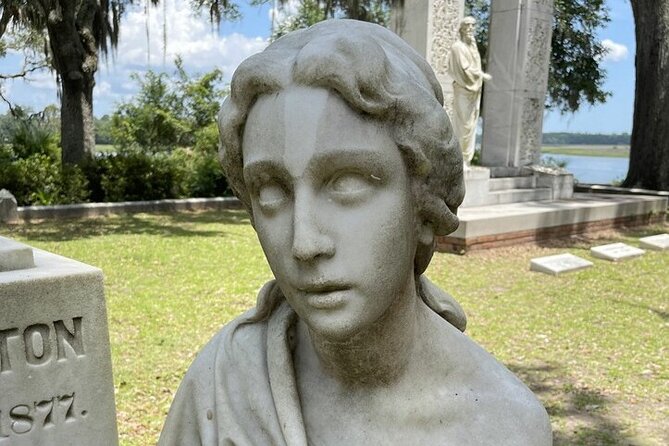
Your route then moves to the Women’s Guild of the New Orleans Opera, a mansion-front that blends Gothic, Italianate, and Greek Revival styles. That mix is a big reason the façade looks so dramatic—different design languages working together like a carefully chosen costume.
This is also where the tour zooms in on social history. The mansion began as a private home and later became a gathering place for some of New Orleans’ elite women, meaning you’re not only seeing architecture—you’re seeing how power and community networks worked.
The spooky layer is the fun part: the legend of ghostly laughter echoing through lavish parlors long after dark. It’s one of those stories you can treat as theatrical folklore, yet it still fits the building’s feel.
If you’re traveling with someone who loves stories, this stop usually lands well because it gives you both the look and the context. It’s about people as much as it is about décor.
2340 Prytania St, Buckner Mansion, and the Garden District’s Plantations-Through-Time Energy
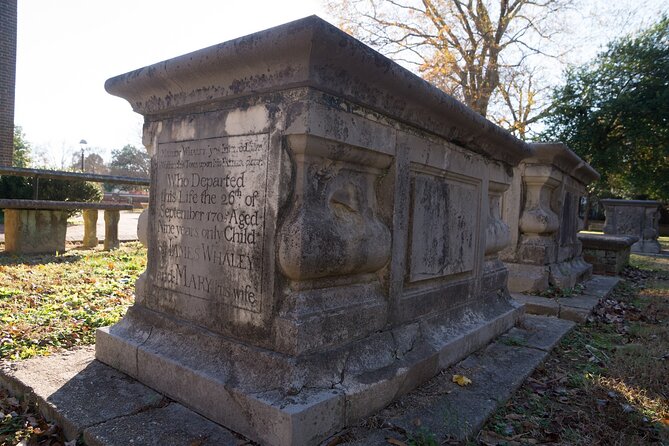
Two stops you’ll especially like if you enjoy American house styles are 2340 Prytania St and Buckner Mansion.
At 2340 Prytania St, you’re in a classic Greek Revival mansion built in 1838. The guide connects the sturdiness of the home to how it’s survived changing times, including hurricanes and wars, with wrought iron and sturdy columns doing their job for decades.
Then you’ll move to Buckner Mansion, a massive Greek Revival showpiece built by cotton magnate Henry Buckner. Later, it served as a school, and the legend shifts from wealth to education-era afterlife: claims of ghostly children echoing around the place.
One extra detail you’ll hear here is that Buckner Mansion became a filming location for American Horror Story: Coven, which helps explain why so many people come with an expectation of cinematic weirdness.
The practical takeaway: these stops are great for learning how to spot Greek Revival cues—big columns, formal symmetry, and a sense of permanence. The spooky stories ride along, but the architecture is the anchor.
The Seven Sisters: Shotgun Houses With a Father’s Story and a Family Legend
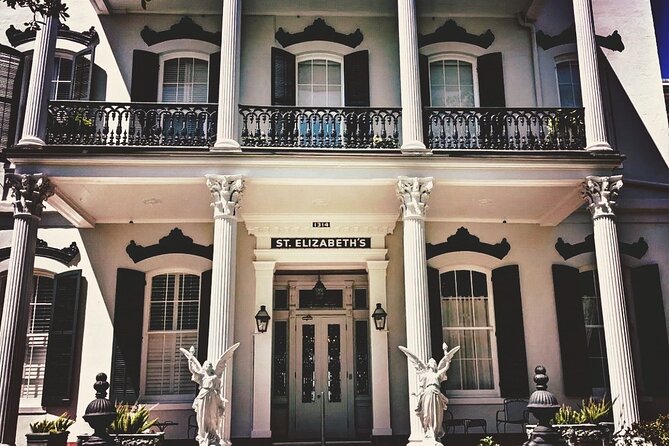
If you want one of the most photographed spots on the route, it’s The Seven Sisters. These are charming row houses—shotgun-style—built for seven sisters by their wealthy father.
Even the way the story is framed matters. This isn’t just a random ghost stop. It’s tied to a family structure, a housing setup, and a local legend that the sisters’ spirits still visit—keeping the doors warm and welcoming.
The tour adds that some people claim to spot shadowy figures in doorways that disappear when approached. Again, treat it like folklore: the point is that this neighborhood’s legends are attached to specific buildings, not vague “haunted city” energy.
This is a good stop to slow down for one minute and really look. Notice the repetition, the shared rhythm of the façades, and how a simple row can become iconic just by being consistent.
Morris-Israel House and Brevard Clapp Wisdom House: Wealth, Sorrow, and Phantom Footsteps
Next you’ll visit Morris-Israel House, blending Gothic and Italianate architecture. Expect ornate balconies and grand archways—Old World elegance, but with a darker side in the stories.
The legend here centers on phantom movement in the halls, including claims of phantom footsteps. Whether you believe it or not, it’s a reminder that the tour isn’t just chasing thrills. It’s teaching you how people turn lived experiences—service, loss, conflict—into narratives attached to rooms.
Then you’ll head to Brevard Clapp Wisdom House, known for its white columns and grand entrance. The story leans toward scandal and sorrow, with a haunting tale involving a woman in period dress seen on the staircase, eternally waiting for a lover who never returned.
This stop is especially good if you like when a tour gives you a “how to look” lesson. The staircase scene makes you look upward. The columns make you feel the scale. Those design choices are what the guide uses to tie emotion to form.
2415 Coliseum St and 2627 Coliseum St: Cold Spots, Ironwork, and a Victorian Swiss Chalet
Two more addresses on Coliseum Street bring extra variety to the route.
At 2415 Coliseum St, you’ll see an elegant home with a wraparound balcony and intricate ironwork. The legend focuses on tragedy and celebrations in the past, plus the idea of cold spots in rooms—like the past is still close enough to chill you.
Then you’ll reach 2627 Coliseum St, a Victorian Swiss Chalet style home built in 1876 by architect William Freret, Jr. The guide notes it’s one of only three homes of its kind in New Orleans, so it’s a real architecture outlier in a neighborhood known for more traditional mansion shapes.
The Swiss Chalet roofline and European flair are the visual payoff. The story layer says the original owner—linked to Senator James Eustis—might still be watching from the windows. Even if you skip the ghost interpretation, it’s a chance to appreciate how New Orleans adopted styles from elsewhere when the wealthy wanted something new.
Commander’s Palace Stop: Creole Food Fame Meets Ghost Lore
Your final stop is Commander’s Palace, one of the city’s most famous restaurants. The tour frames it as both an iconic dining name and a place with serious ghost lore.
The legend claims a spirit of a former chef haunts the kitchen, occasionally rattling pots and pans as if still perfecting dishes. The stories also mention shadowy figures moving through candlelit dining rooms, plus sightings while people sip classic bar favorites like a Sazerac or signature milk punch.
One quick practical point: since this is a restaurant stop, you might be tempted to stay longer. But your tour time is limited here (about 10 minutes), so if you want a meal, treat the tour as the appetizer—then decide separately whether to dine.
Even if you’re not chasing the spooky angle, this stop gives you context for why New Orleans is so story-driven. Food is culture, and culture in New Orleans loves a legend.
Price and Value for $26: What’s Included (and What Isn’t)
At $26.00 per person for about 2 hours, this is good value for a guided “big picture” walk. You’re paying for a professional guide and well-researched history, not just the right to stand in front of a building.
The big budget win: every listed stop notes free admission. So you’re not getting nickel-and-dimed with site tickets. What you do add is time and walking energy, and the tour handles a lot of that for you with its tight route and short stop durations.
Included in the price:
- Professional, courteous guide
- Well-researched history
- Mobile ticket experience
Not included:
- Guide tip
I’d think of this as paying for interpretation. Architecture can look beautiful and still be confusing. A good guide turns it into a map you can remember later, especially when the stories are tied to specific addresses instead of generic hauntings.
Also, the small group cap (max 35) makes your per-person value feel more reasonable. You’re not just buying time; you’re buying access to questions and explanations.
Who Should Book This Ghost-Focused Garden District Tour
This tour fits you if you want:
- A fast way to see the Garden District’s headline sights
- A guide to connect buildings to stories
- A mix of architecture and local legend that stays approachable
It’s also a good match if you’re traveling with friends who don’t all want the same pace. One person can focus on photos and columns. Another can lean into the spooky tales. The route gives both kinds of travelers something to chew on.
If you’re the type who hates anything even slightly spooky, you might feel out of place. This is ghost-lore themed by design, with multiple stops that lean into legends about lingering presences.
And if you want deep, long-form time in one location, you may find the stop lengths short. The strength here is the sweep: you’re building a mental collage of the neighborhood in one go.
Should You Book It: My Practical Verdict
Book this tour if you want an efficient, story-led introduction to the Garden District that doesn’t require planning museum tickets or guessing where to start. For $26, the mix of cemetery design, famous mansion addresses, and legends gives you a lot of payoff per minute.
It also seems to score extremely well on service and clarity. With a 5 out of 5 rating from a small set of ratings, the consistent message is that the guide is excellent and answers questions clearly. If you value good communication, that matters.
Skip it only if you’re looking for a slow, academic deep dive or you don’t want the haunted side at all. Otherwise, this is a strong choice for a first-time Garden District day, especially when your schedule is tight.
FAQ
How long is the Garden District walking tour?
The tour runs about 2 hours (approx.).
How much does the tour cost?
It costs $26.00 per person.
Is the tour in English?
Yes, the tour is offered in English.
Do I need admission tickets for the stops?
All listed stops show admission ticket free, and the tour includes the guide experience.
Where does the tour start and end?
It starts at 1448 Fourth St, New Orleans, LA 70130, and ends back at the meeting point.
How much walking is involved?
The stops together add up to around 40 minutes, with the rest of the time spent walking between locations.
What’s included in the price?
The price includes a professional, courteous guide and well-researched history.
Can I cancel for a full refund?
Yes. Free cancellation is available, and you can cancel up to 24 hours in advance for a full refund.
Are guide tips included?
No. Guide tip is not included.
More Tour Reviews in New Orleans





More of the Cities of the Dead

Garden District, Block by Block



Just added to The New Orleans Traveler





Garden District Tours, compared.
 ★ 5.0Garden District History Walking TourFrom $352,879 reviews
 ★ 4.5City Tour: French Quarter, Garden District & CemeteryFrom $402,209 reviews
 ★ 5.0Small-Group Garden District Walking TourFrom $351,384 reviews
 ★ 4.5City and Cemetery Tour with Garden District StrollFrom $55766 reviews
 ★ 4.9Garden District Guided Walking TourFrom $35514 reviews
 ★ 5.0Highlights of the Garden District Walking TourFrom $37492 reviews
 ★ 4.8Garden District TourFrom $28480 reviews
 ★ 5.0Garden District Home and History Walking TourFrom $26470 reviews
Browse the lists this tour appears in