
Reviewed · PLANTATION TOURS
Whitney Plantation Tour with Narrated Bus Ride from New Orleans
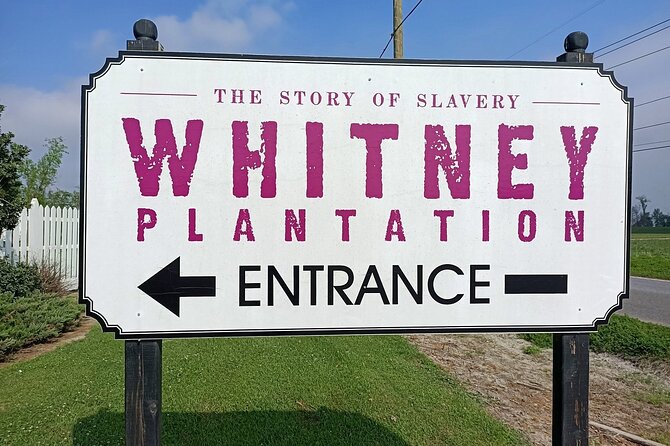
Plantation history is heavy, but it’s handled well. This tour pairs a 2.5-hour Whitney Plantation visit focused on the enslaved people’s lives with a narrated bus ride that adds regional context, including passing other plantations on the way back. I especially like the way Whitney centers the human cost, not the owners’ comfort, and I also like the small group vibe (max 12 travelers), which makes the day feel more personal.
One thing to consider: the subject matter is emotionally intense, and if an event is happening at the site (music and food can show up), it may pull you out of the quiet parts of the experience.
In This Review
- Key takeaways before you go
- From St. Louis Cathedral to Whitney: the ride with real context
- Whitney Plantation: why the tour feels respectful and direct
- The guides you might meet at Whitney
- Other plantation stops on the way back: French Creole and sugarcane context
- The Bonnet Carre Spillway ride: Lake Pontchartrain views on the way home
- Price and value: what $86.70 really buys you
- What to expect day-of (and how to prepare)
- Who should book this Whitney Plantation bus tour?
- Should you book it? My straight answer
- FAQ
- What time does pickup happen, and what time does the tour start?
- Where does the tour start in New Orleans?
- How long is the total tour?
- Is admission to Whitney Plantation included in the price?
- Is breakfast or lunch included?
- Does the bus have WiFi?
- Is transportation included for the round trip from the city?
- What is the cancellation policy?
Key takeaways before you go
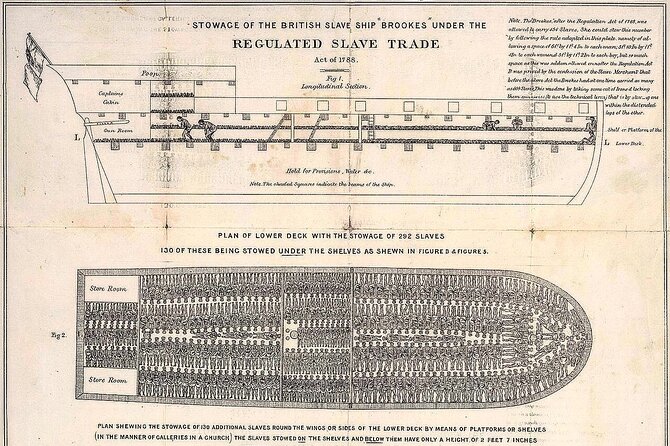
- Whitney Plantation focuses on enslaved people’s stories and includes memorials and the daily realities of plantation life
- Small group size (up to 12) helps the narration feel direct instead of crowd-thrown
- Round-trip transport from New Orleans saves you the headache of driving out and back
- Other plantation stops on the route add French Creole and sugarcane context
- Scenic return over the Bonnet Carre Spillway gives you views of Lake Pontchartrain before heading back to town
- Practical comfort: air-conditioned bus, bottled water, and a USB charging outlet
Other River Road plantation visits
- Swamp Boat Ride and Oak Alley Plantation Tour from New Orleans★ 5.0 · 3,303 reviews
- Oak Alley Plantation Tour with Transportation from New Orleans★ 4.5 · 1,747 reviews
- Whitney Plantation Tour with Transportation from New Orleans★ 4.5 · 1,351 reviews
- Laura Creole Plantation Guided Tour★ 5.0 · 1,279 reviews
From St. Louis Cathedral to Whitney: the ride with real context
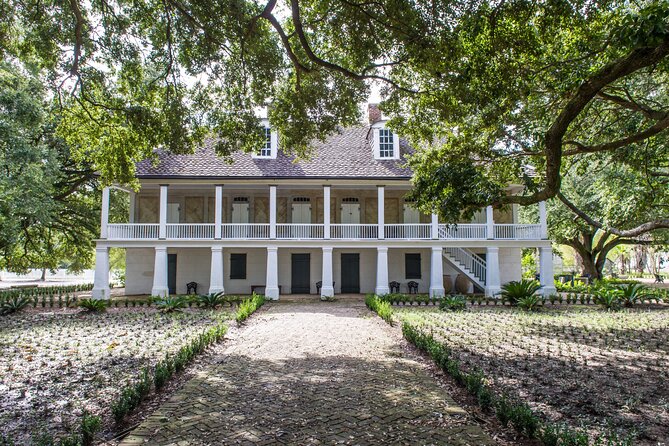
You start the day in the center of New Orleans at St. Louis Cathedral (615 Pere Antoine Alley). Check-in is easy because the tour is built around a morning launch: pickup is typically between 8:00am and 8:45am, while the scheduled start time is 9:00am. That early start matters here. You’ll want enough daylight time for a full plantation visit plus the drive back.
The most useful part of the bus ride is that it doesn’t just move you from A to B. The narration frames what you’re about to see—Mississippi River geography, plantation development, and how this area’s history shaped modern Louisiana. The drivers on this tour often bring local flavor too, with notes about the region and practical food suggestions (like where to find strong seafood and where to try pralines). When the road time is thoughtfully narrated, you arrive at Whitney already oriented instead of blank-faced and overwhelmed.
Also, you get the basics that make a long morning easier: an air-conditioned vehicle, bottled water, and a USB port so your phone won’t die halfway through photos and maps. WiFi isn’t included, so plan on using your cellular connection if you need it.
Whitney Plantation: why the tour feels respectful and direct
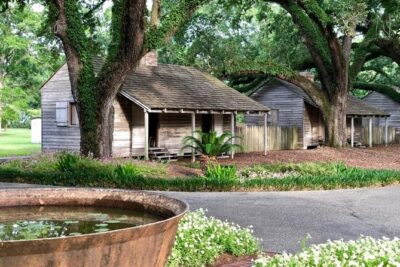
Whitney Plantation is the star of the day, and it runs for about 2 hours 30 minutes. That’s a good amount of time. It’s long enough to actually absorb what’s being taught, but not so long that you feel stuck. The site is presented as a national historic landmark, and the overall design pushes you to look at plantation life through the eyes of the enslaved people who lived and worked there.
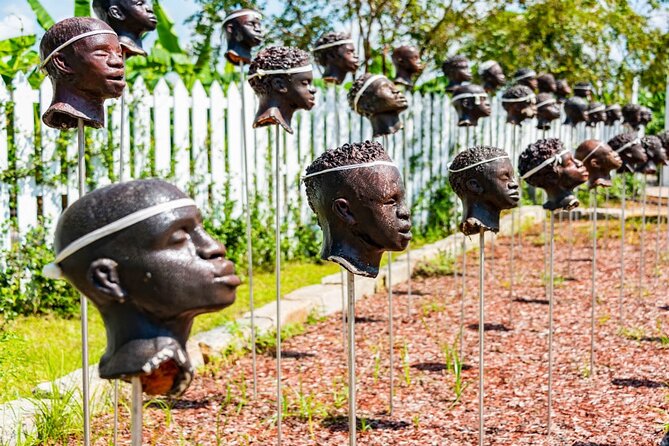
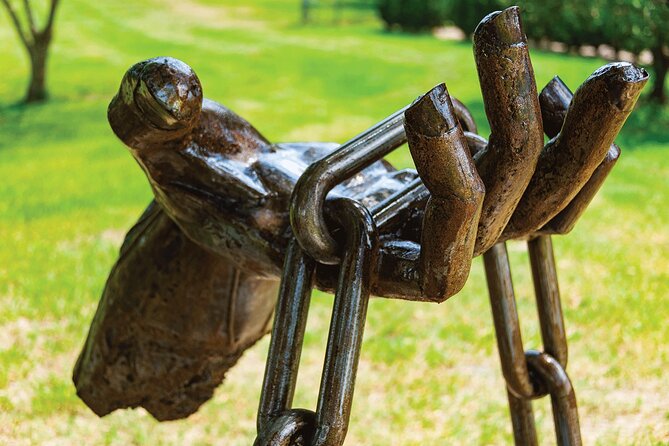
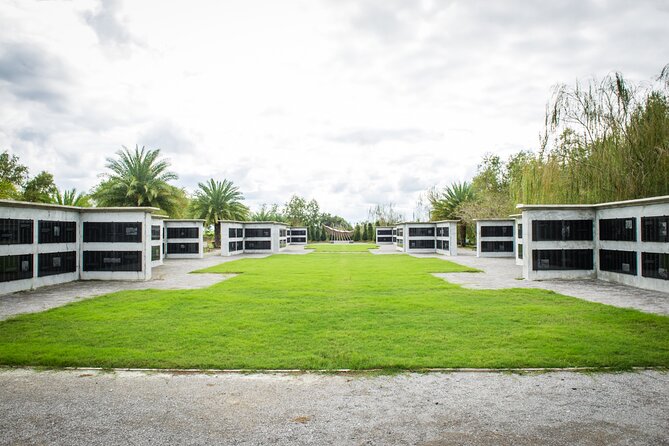
That focus is the whole point. Many plantation experiences elsewhere tilt toward the house, the décor, and the comfort of the owners. Here, the story turns the other way. You’ll see memorials, learn about the abuses and the systems used to keep people separated and prevent uprisings, and get a view of daily life—what it meant to labor under coercion and what it cost in bodies, families, and futures.
You’ll also learn that Whitney isn’t presented as a simple “one family did everything” story. There’s history of the early owners—specifically the Haydel family—so you get the timeline and ownership background. But the emotional center stays with the enslaved people, including how their lives are interpreted and remembered.
What I like most is that the tour format respects the material. Even when the stories are painful, the experience is structured rather than chaotic. You’re not just walking through a collection of plaques. You’re being guided through meaning—why certain memorials exist, how the land is interpreted, and what the plantation system was designed to accomplish.
One practical note: with memorials and storytelling, this is not a stop where you’ll rush and still feel you did it justice. If you’re the type who takes time to read, look, and absorb, this will reward you. If you’re hoping for quick photo ops and then shopping, you may find the pace too slow for your style.
The guides you might meet at Whitney
The tour experience depends a lot on the person telling the story, and this one tends to get strong feedback about that. Depending on your departure, you may encounter a Whitney guide such as Susan, Cheryl, or Justin—names that show up in past experiences. The common thread across these guides is a clear, careful approach to the subject.
Some drivers also add a layer of connection by tying the bus narration into what you’ll see on the grounds. If your ride includes someone like Kindrell (often called Kin), you might get local details and even extra resources after the tour by email. That can help you keep learning once you’re back in town.
When you book, keep your expectations simple: your guide is there to teach, not to entertain. You’ll likely leave thinking more than you’ll leave taking brag-worthy photos.
Other plantation stops on the way back: French Creole and sugarcane context
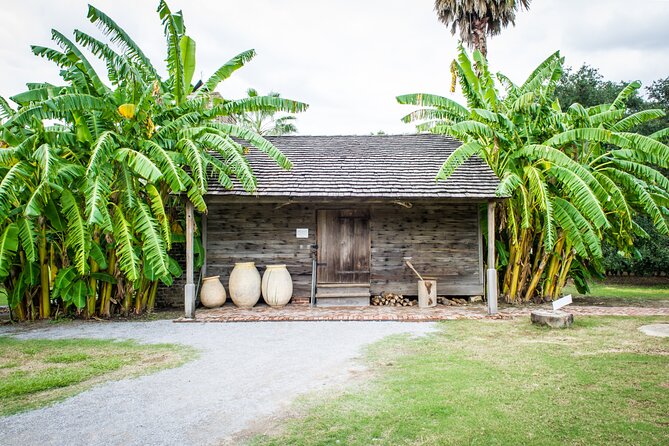
After Whitney, the day doesn’t go straight back to New Orleans without context. You’ll pass several other plantation sites during the journey. You won’t spend as long at these places as you do at Whitney, but that’s actually useful. It turns the trip into a bigger picture, not a single-site “bubble.”
Here are the kinds of plantation stories you’ll pick up along the route:
- Laura: a French Creole plantation that was run by four generations of French Creole women.
- St. Joseph Plantation: described as a wedding gift from Valcour, one of the wealthiest men of his time.
- A working sugarcane plantation site focused on preserving what its inhabitants left behind, with emphasis on sugarcane-era operations and the iconic oak tree alley.
Even with limited time, these stops help you understand that plantation Louisiana wasn’t one uniform template. It had different cultures, different ownership stories, and different cash-crop systems. That matters because it shows how widespread slavery’s reach was—and how the plantation economy shaped the whole region, not just one estate.
The biggest value of these extra stops isn’t scenery. It’s contrast. You see what plantation landscapes often look like when they’re presented as historic sites, then you return your focus to Whitney’s message about the people who were enslaved there. By the time you’re finished, you’re not just looking at old land—you’re connecting old land to old systems.





The Bonnet Carre Spillway ride: Lake Pontchartrain views on the way home
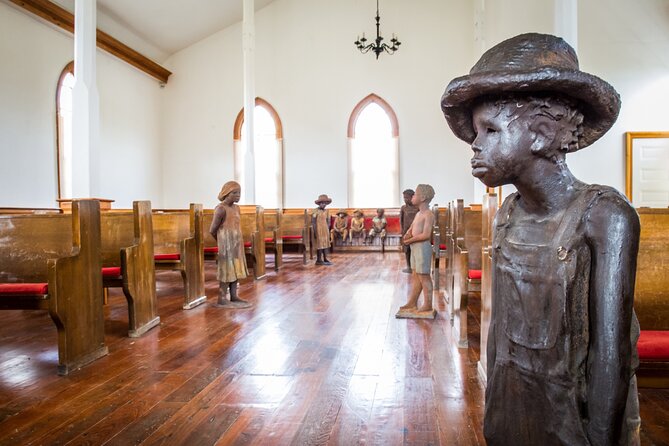
To wrap things up, you’ll take about a 45-minute ride back toward the city over the Bonnet Carre Spillway Bridge, with views of Lake Pontchartrain before you head back to your hotel. This part is more than a scenic cooldown.
It gives your brain a breather. After Whitney’s memorial and history-heavy grounding, the return drive helps you reset without turning the day into a party. You can look out at the water and reflect, rather than being forced straight into more museums or more noise.
Timing also matters here. You’re going to be on the go for roughly 5 to 6 hours total, so the ride needs to function as a clean transition from “learning time” to “city time.” This tour handles that with a planned final segment that’s easy to enjoy even if the morning felt emotionally intense.
Price and value: what $86.70 really buys you
At $86.70 per person, this isn’t the cheapest way to do a plantation day. But it’s not priced like a luxury add-on either. It’s priced like a focused half-day that includes the parts that typically cost money and time when you plan yourself: admission and round-trip transportation.
What’s included helps justify the total:
- Admission to the plantation tour
- Bottled water
- Air-conditioned vehicle
- USB port charging outlet
What’s not included:
- Breakfast and lunch
- WiFi on board
So the value question becomes simple: are you paying for convenience and guided interpretation instead of spending your time figuring out a car, parking, and timing? If you want to show up and be guided, this price makes sense.
Also, the tour includes a narrated bus ride. That narration isn’t just fluff. It’s the glue that links Whitney to the wider regional plantation story and makes the drive time feel like part of the learning rather than wasted travel.
One more value point: the group max of 12 travelers. At this size, it’s easier to ask questions and easier for the guide to keep everyone together. Big buses can feel like a lecture you sit through. This one has more of a “day trip with a guide” feel.
What to expect day-of (and how to prepare)
This is a morning-focused tour, and the schedule is built around a full Whitney visit plus the return drive. Even though the bus ride is comfortable, you’ll still want to treat this like real sightseeing: wear shoes you can walk in, and plan for a long, serious visit.
Because breakfast and lunch aren’t included, I recommend you eat something before pickup. Then, think about lunch as either:
- a quick bite you’ve planned near where the tour stops your day, or
- a restaurant you want to chase down in New Orleans afterward.
Some drivers include restaurant tips for the city, including spots for seafood and sweets like pralines. If you get those suggestions, use them. They’re the kind of local shortcuts you don’t get from a generic museum ticket.
Lastly, keep an eye on your phone during the pickup window. The tour asks you to provide a cell number for fastest communication, and pickup timing depends on group size and pickup stops. It’s a small thing, but it reduces stress.
Who should book this Whitney Plantation bus tour?
Book this if you want a respectful, history-forward plantation visit without handling logistics yourself. It’s ideal for:
- First-timers to New Orleans who want one meaningful plantation experience
- People who prefer stories centered on enslaved people rather than plantation romance
- Travelers who like narrated context and a timed itinerary that keeps the day moving
It may be a tougher fit if you:
- want a light, casual outing with minimal heavy content
- expect a long list of free time at stops
- are hoping for a mainly scenic day with lots of photo freedom
The tour is meant to teach you how to see the land and the records behind it. The emotional tone is real, and the site is structured accordingly.
Should you book it? My straight answer
Yes, you should strongly consider booking this Whitney Plantation tour if your goal is an honest, guided introduction to plantation history that centers enslaved people’s experiences. The combination of Whitney’s memorial-focused presentation, helpful bus narration, and a small group size makes it feel grounded and worthwhile at the price.
If you want a plantation day that’s mostly about houses, lawns, and “pretty history,” you might feel disappointed. But if you want to understand what happened here—and you’re okay with that being hard to hear—this is one of the best ways to do it from New Orleans.
FAQ
What time does pickup happen, and what time does the tour start?
Pickup is typically between 8:00am and 8:45am, depending on group size and number of pickup stops. The tour start time is 9:00am.
Where does the tour start in New Orleans?
The meeting point is St. Louis Cathedral, 615 Pere Antoine Alley, New Orleans, LA 70116.
How long is the total tour?
Plan for about 5 to 6 hours total.
Is admission to Whitney Plantation included in the price?
Yes. Admission to the plantation tour is included.
Is breakfast or lunch included?
No. Breakfast and lunch are not included.
Does the bus have WiFi?
WiFi on board is not included.
Is transportation included for the round trip from the city?
Yes. Round-trip transportation is included, and pickup may be offered depending on your location and group size.
What is the cancellation policy?
Cancellation is free if you cancel up to 24 hours in advance of the experience’s start time. If you cancel less than 24 hours before, you won’t receive a refund.
More Tours in New Orleans

More Tour Reviews in New Orleans
More River Road Plantations





Just added to The New Orleans Traveler




Plantation Tours, compared.
 ★ 5.0Swamp Boat Ride and Oak Alley Plantation Tour from New OrleansFrom $1313,303 reviews
 ★ 4.5Oak Alley Plantation Tour with Transportation from New OrleansFrom $891,747 reviews
 ★ 4.5Whitney Plantation Tour with Transportation from New OrleansFrom $891,351 reviews
 ★ 5.0Laura Creole Plantation Guided TourFrom $321,279 reviews
 ★ 4.7Bayou Swamp Tour and Oak Alley Plantation TourFrom $1251,147 reviews
 ★ 4.7Oak Alley Plantation & Airboat Swamp Combo TourFrom $160906 reviews
 ★ 4.5Oak Alley Plantation and Large Airboat Swamp Tour from New OrleansFrom $160712 reviews
 ★ 4.5Houmas House Estate and Gardens Guided TourFrom $38632 reviews
Browse the lists this tour appears in