Reviewed · PLANTATION TOURS
Two Plantation Tour: Oak Alley and Laura or Whitney
Two plantations, one long drive through Louisiana’s past. This is a smart way to see Oak Alley and either Whitney or Laura, while also stopping at places tied to major slave-resistance history and famous TV/film locations. You get a full day of context, not just a quick photo-op loop.
I especially like the mix of experiences: the big-house beauty at Oak Alley paired with the more direct, human-centered teaching at Whitney (or the cultural storytelling at Laura). I also like that Crescent City Tours runs this as a small-group day with air-conditioned transport and pickup from downtown hotels, so you’re not wrestling with timing on your own.
One thing to consider: it’s a long day (about 7 hours) with no included snacks, and you’ll spend meaningful time on the road. If you get cranky after hours in a vehicle, plan ahead.
In This Review
- Key things I’d circle before you book
- Why This Two-Plantation Day Beats Picking Just One
- Getting Oriented in New Orleans: Pickup, Air-Conditioning, and Respectful Transit
- Evergreen Plantation: When Plantation Grounds Meet Django and Queen Sugar
- Destrehan Plantation and the 1811 German Coast Slave Revolt
- Saint Joseph Plantation: 12 Years of Slave, Scene by Scene
- Lake Pontchartrain Marsh Crossing: Why the Road Matters
- Oak Alley: Big House Guidance Plus Time for the Grounds
- Whitney Plantation vs Laura: Two Lenses on Plantation Life
- Choosing Whitney Plantation for direct enslavement education
- Choosing Laura Plantation for Creole plantation storytelling
- Food, Comfort, and Timing: What to Plan for a 7-Hour Day
- Who This Tour Suits Best (and Who Might Skip It)
- Should You Book This Tour?
- FAQ
- What time does the tour start, and where do I meet?
- Is hotel pickup included?
- How long is the tour?
- What is included in the price?
- What about lunch or snacks?
- How big is the group?
- What if weather is bad or the tour can’t run?
Key things I’d circle before you book
- Oak Alley structure: time in the big house with guidance, plus time on your own to explore the grounds and slave quarters.
- Whitney’s focus: an educational monument experience that treats slavery directly and seriously, with unguided time on site.
- Film-location stops: Evergreen is tied to Django Unchained and Queen Sugar, while Saint Joseph is tied to a 12 Years of Slave scene.
- Destrehan’s 1811 German Coast revolt: you’re not just visiting “pretty old houses,” you’re learning about resistance.
- Lake Pontchartrain marsh crossing: you’ll actually travel across part of the massive saltwater landscape.
- Small-group feel with real transport: pickup from downtown and a group size kept small.
Other River Road plantation visits
- Swamp Boat Ride and Oak Alley Plantation Tour from New Orleans★ 5.0 · 3,303 reviews
- Oak Alley Plantation Tour with Transportation from New Orleans★ 4.5 · 1,747 reviews
- Whitney Plantation Tour with Transportation from New Orleans★ 4.5 · 1,351 reviews
- Laura Creole Plantation Guided Tour★ 5.0 · 1,279 reviews
Why This Two-Plantation Day Beats Picking Just One
The biggest strength here is that it doesn’t force you to choose between two very different kinds of plantation interpretation. Oak Alley gives you the classic grandeur (including time to walk the grounds), while Whitney pushes hard on the history of enslavement and its human cost. If your second stop is Laura Plantation, you’ll get a different lens—more centered on Creole heritage and the story of sugar and plantation society.
Instead of spending your day in a car without payoff, this tour strings together multiple stops that each add a layer: revolts, filming history, and regional geography. It also respects your time. You’re not hopping between far-flung places with random transfers; Crescent City Tours handles the vehicle and keeps the day moving.
What I like most is the balance of viewpoints. Oak Alley can feel like the kind of place people rush through for pictures. The way this day is built makes you slow down and see the setting with more accountability. Then, if you go to Whitney, you get that shift from architecture to people—what they were forced to endure, and what the site now teaches.
Getting Oriented in New Orleans: Pickup, Air-Conditioning, and Respectful Transit
You meet at the Wyndham Garden Baronne Plaza New Orleans, 201 Baronne Street, with a start time of 8:30 am. Pickup runs from most downtown hotels, and if your hotel isn’t on the list, you’re assigned the closest option. Expect pickup somewhere between 8:30 and 9:00 am.
Once you’re loaded, the ride is in an air-conditioned vehicle—important in Louisiana when temperatures climb. There’s also a clear request to observe silence during transfer or travel time. That’s not just a rule; it changes the vibe. It keeps the day from becoming a loud bus tour and makes the history feel more respectful.
This is also where the value shows. You’re paying for transportation that brings you out roughly an hour (give or take) from New Orleans to plantation country, plus stops along the way. If you’ve tried to DIY these routes before, you know how quickly scheduling turns into stress.
Evergreen Plantation: When Plantation Grounds Meet Django and Queen Sugar
Evergreen is your first stop, and it hits in an unexpected way. It’s the site where filmmakers shot scenes from Django Unchained and Queen Sugar. That matters because plantation sites often show up in culture first as imagery, not education. Film connections can make you look twice and ask better questions: What story is being framed? What’s being left out?
Practically, this stop also breaks up the drive. You’re not just getting in, riding out, and arriving tired. A short site stop gives you a chance to reset, stretch your legs, and start thinking about Louisiana’s plantation era as something that still echoes in media and memory.
There’s no guarantee this stop will feel like a full tour with heavy narration—your schedule is still a full-day plan. But even if the time here is brief, the film-history link is a useful prompt for your brain as you move on to the harder topics later.
Destrehan Plantation and the 1811 German Coast Slave Revolt
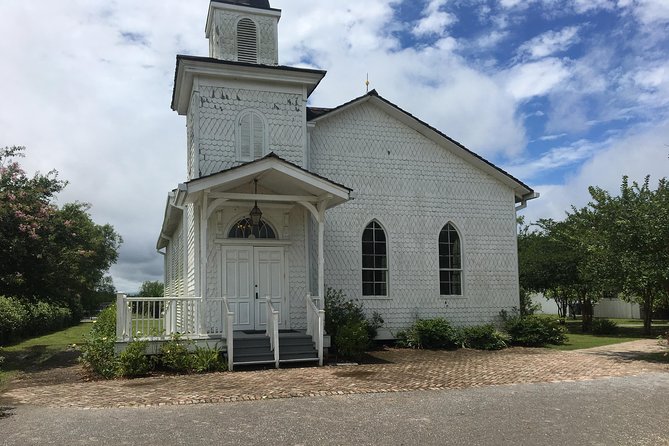
Destrehan is where the day gets sharper. It’s tied to the German Coast slave revolt of 1811, described as the largest slave revolt ever recorded in American history.
This is one of those moments where the word plantation can become too polite. The revolt story makes the reality unavoidable: enslaved people did not accept their situation silently, and resistance shaped what plantation life became—through fear, crackdowns, and long-term consequences.
What you get here is more than a fact list. You’re learning that plantations weren’t static backdrops. They were part of a violent system, and the system was constantly being challenged.
If you want your tour to do more than “see old homes,” this stop is a strong reason to book. It gives you a historical anchor so later experiences—whether Oak Alley’s architecture or Whitney’s educational approach—don’t feel disconnected.

Saint Joseph Plantation: 12 Years of Slave, Scene by Scene
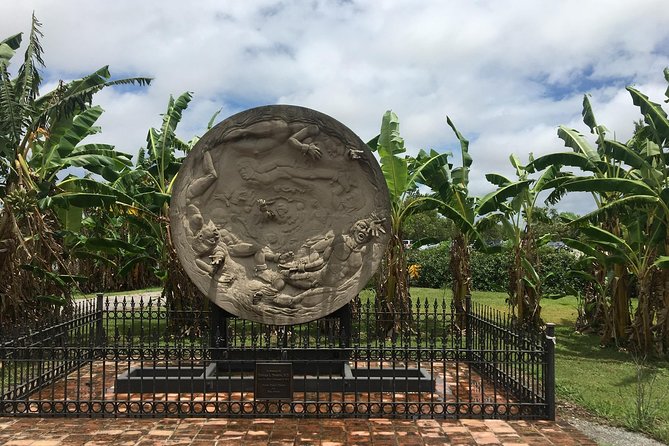
Next up is Saint Joseph Plantation, noted for a filming connection to 12 Years of Slave. This stop works for two reasons.
First, it reinforces that plantation-era settings have been used repeatedly in modern storytelling. If you know the film, you may find yourself thinking about how stories use certain places to create emotion fast.
Second, it helps you build context for what you’re seeing without reducing people to scenery. When you connect filming locations to the reality of slavery, you’re less likely to treat the day like a museum stroll.
As with Evergreen, the time may not be the length of a full plantation tour, because the day has multiple sites. Still, the name recognition is a helpful way to keep the route memorable, and it sets you up for the next learning-heavy stops.
Lake Pontchartrain Marsh Crossing: Why the Road Matters
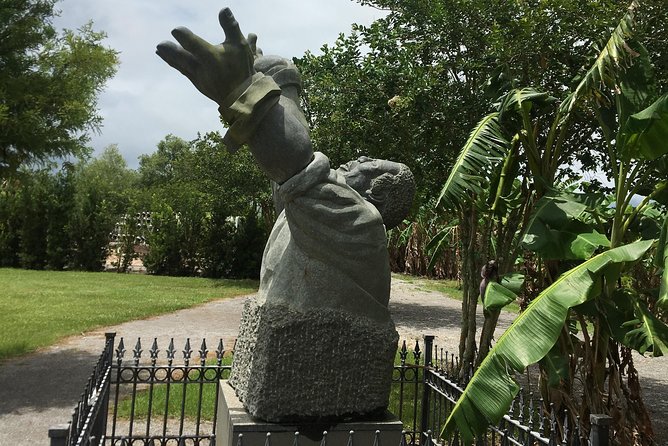
Before you reach your main plantation targets, the tour crosses the marsh of Lake Pontchartrain, described as one of the largest saltwater lakes in the world.
This is the kind of stop people sometimes skip over in their heads because it’s not a building. But geography is part of Louisiana’s plantation story. Waterways and marsh routes shaped transportation, labor patterns, and how land was developed and defended.
You’re also traveling through a real environment rather than only moving between historic sites. That makes the day feel more grounded. You’ll likely notice the huge scale and the different feel of the area, even if you’re mostly in your seat.
If you’re the type who likes photos, this section can give you some great visuals too—just don’t treat it as a break from the history. The landscape is connected to how plantations worked.
Oak Alley: Big House Guidance Plus Time for the Grounds
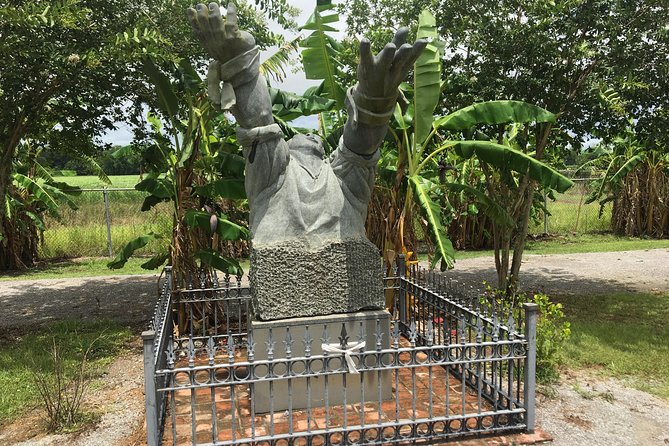
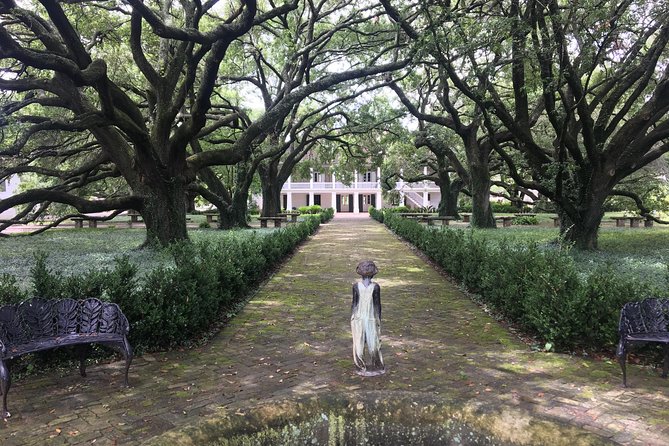
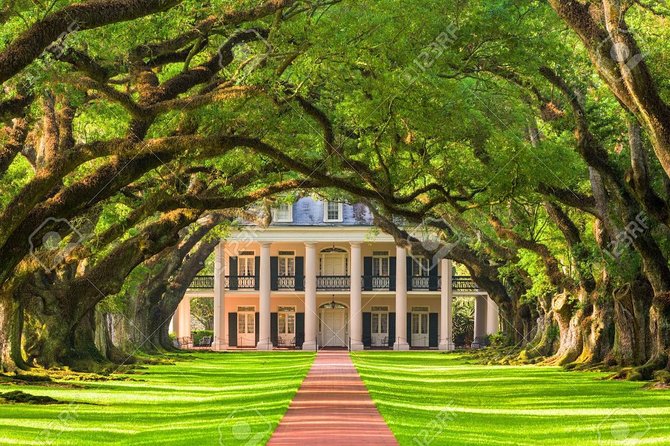
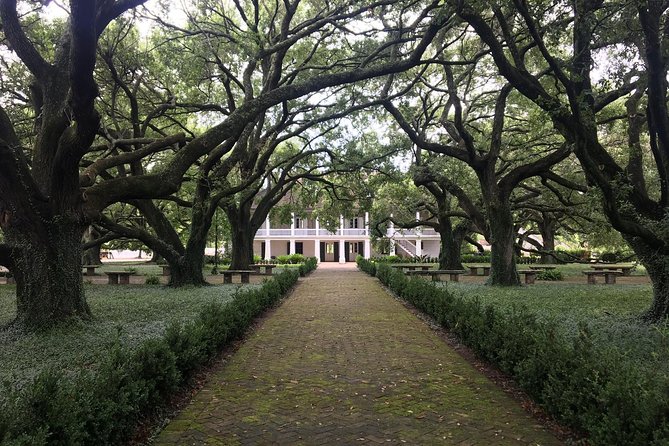
When you reach Oak Alley, you get a mix of guided and self-paced time. The big house portion is about half guided, and then you get time on your own to explore the slave quarters and grounds.
This format is smart for two kinds of visitors. If you want structure and interpretation, you get it in the big-house portion. If you like slowing down, taking in details, and walking at your own pace, the self-guided time gives you that freedom.
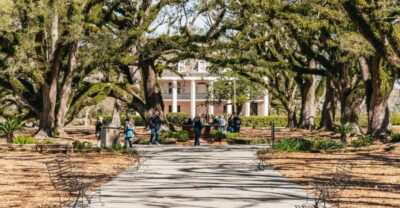
Then there’s the signature feature: the oak trees. The trunks are described as about 10 feet across, and the branches are heavy enough to touch the ground. That’s not a small detail. It’s the kind of physical scale that changes how you experience the place. You can’t help but look up, and once you do, your photos start to tell a different story than a quick snapshot.
One practical tip: Oak Alley may have an on-site lunch option in the plan, but meals are not included in the tour price. If you want time to eat calmly, plan to use the break when it’s offered and bring a snack or be ready to purchase food there.
Whitney Plantation vs Laura: Two Lenses on Plantation Life
Your second main stop is the heart of the day: Whitney Plantation or Laura Plantation. Since this tour is built as Oak Alley plus your choice of Whitney or Laura, your experience will shift depending on what kind of learning you want most.
Choosing Whitney Plantation for direct enslavement education
Whitney is presented as an educational monument to the people forced into slavery. The experience is unguided, and you get about two hours on site. That unstructured format can be a relief if you prefer reading at your own pace. It also means you’re not rushed, which is especially important here, because the subject matter isn’t light.
What I appreciate about Whitney in this tour structure is the way it contrasts with Oak Alley. You go from a site many people approach through architecture to a place built to make sure the human story stays central.
Choosing Laura Plantation for Creole plantation storytelling
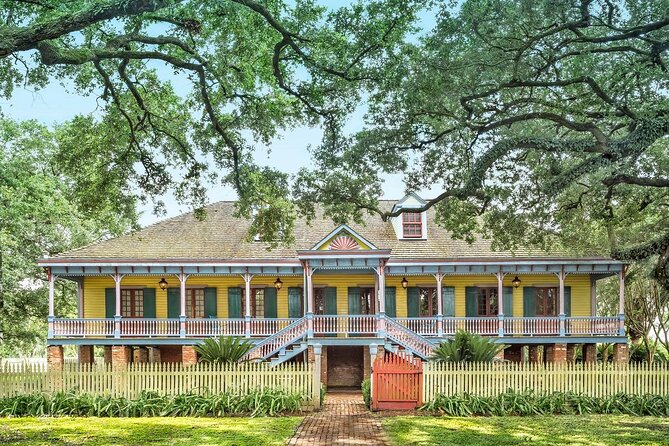
Laura Plantation is often the more cultural and interpretive choice. The tour description also notes that everyone gets to see Laura’s Creole Plantation as part of the routing, even if Laura isn’t your main stop. If you do visit Laura as your second plantation, you’ll likely get that deeper focus on the heritage angle tied to plantation society.
This isn’t about replacing one truth with another. It’s about how different sites handle different parts of the overall plantation story. If you’re drawn to Creole history and the evolution of plantation culture, Laura can be the better match. If you want the most direct, slavery-centered teaching, Whitney is the stronger fit.
Food, Comfort, and Timing: What to Plan for a 7-Hour Day
This tour runs about 7 hours, starting at 8:30 am. That means you’ll likely want to treat it like a full-day outing, not an after-breakfast stroll.
Food is the big “gotcha.” Snacks aren’t included, and lunch isn’t listed as part of the price. You’ll either want to bring your own light snacks or plan to purchase food when you get the chance at Oak Alley.
Comfort-wise, wear shoes you can walk in for the grounds at Oak Alley and any time spent standing or walking between sites. Also bring sun protection, because plantation walking time often happens outdoors.
One more subtle point: the tour asks for silence during travel time. If you want to take calls, scroll loud videos, or talk nonstop with your group, this may feel different than other tours. But it also keeps the day calmer and more respectful.
Who This Tour Suits Best (and Who Might Skip It)
This is a great choice if you:
- Want two plantation stops in one day without complicated DIY logistics.
- Care about both plantation grandeur and direct slavery education.
- Like being guided through regional context, not just arriving at sites and wandering.
You might want a different option if you:
- Get impatient with long drives and multiple stops (even if the stops are meaningful).
- Prefer fully guided experiences at every stop. Oak Alley has guided-plus-self time, and Whitney is unguided.
Group size is kept small. The tour has a maximum of 24 travelers, and one key promise is that it’s limited (listed as a small-group experience with transport). In practice, that usually makes questions easier and the day feel less chaotic.
Should You Book This Tour?
If you’re trying to fit plantation history into a limited New Orleans schedule, I’d book it—especially if you’re torn between Oak Alley’s classic appeal and Whitney’s direct educational approach. The day is structured so you don’t just “collect” sites. You move from film-linked locations and regional history to the central plantations where the interpretation becomes the main event.
My best call is simple:
- Choose Whitney if you want the day to confront slavery head-on.
- Choose Laura if you want a stronger Creole heritage lens.
- Plan for a full day, bring snacks, and wear comfortable shoes.
When you match your choice to what you want to learn, this becomes one of the more efficient and thoughtful ways to do plantation country from New Orleans.
FAQ
What time does the tour start, and where do I meet?
You start at 8:30 am at Wyndham Garden Baronne Plaza New Orleans, 201 Baronne Street, New Orleans, LA 70112. Downtown hotel pickup is offered.
Is hotel pickup included?
Yes. The company picks up from most hotels in the downtown area. If your hotel isn’t listed, they’ll pick the nearest available option. Pickup is between 8:30 am and 9:00 am.
How long is the tour?
It runs about 7 hours.
What is included in the price?
The tour includes an air-conditioned vehicle and transport as part of the experience. You’ll also receive a mobile ticket. Snacks are not included.
What about lunch or snacks?
Snacks are not included. Lunch is not listed as included in the tour details, so bring snacks if you want to be prepared.
How big is the group?
The tour/activity has a maximum of 24 travelers.
What if weather is bad or the tour can’t run?
It requires good weather. If it’s canceled due to poor weather, you’ll be offered a different date or a full refund. It also requires a minimum number of travelers, and if that isn’t met you’ll be offered a different date/experience or a full refund.
More Tours in New Orleans

More Tour Reviews in New Orleans
More River Road Plantations


Just added to The New Orleans Traveler

Plantation Tours, compared.
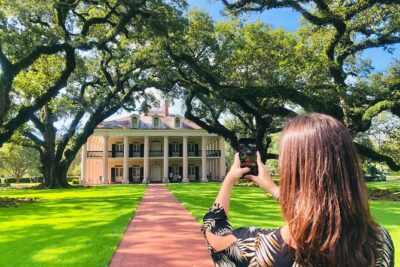 ★ 5.0Swamp Boat Ride and Oak Alley Plantation Tour from New OrleansFrom $1313,303 reviews
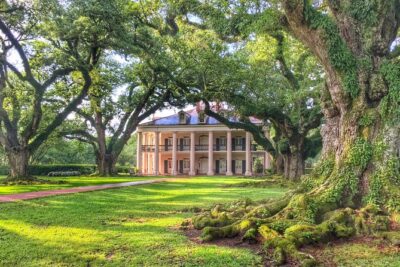 ★ 4.5Oak Alley Plantation Tour with Transportation from New OrleansFrom $891,747 reviews
 ★ 4.5Whitney Plantation Tour with Transportation from New OrleansFrom $891,351 reviews
 ★ 5.0Laura Creole Plantation Guided TourFrom $321,279 reviews
 ★ 4.7Bayou Swamp Tour and Oak Alley Plantation TourFrom $1251,147 reviews
 ★ 4.7Oak Alley Plantation & Airboat Swamp Combo TourFrom $160906 reviews
 ★ 4.5Oak Alley Plantation and Large Airboat Swamp Tour from New OrleansFrom $160712 reviews
 ★ 4.5Houmas House Estate and Gardens Guided TourFrom $38632 reviews
Browse the lists this tour appears in