
Reviewed · TOURS
The Badly Behaved Women Who Made New Orleans Tour
Sex, power, and punishment sit on these sidewalks.
What I love is that the tour connects New Orleans vice-and-red-light history to real, specific places you can point at—then fills in the story behind them. I also like the way guides (including Josh and Tracy) add street-level details like architecture notes and extra New Orleans context without turning it into a lecture.
One thing to consider: this is adult material. You’ll hear about sex work, control of women, and punishment tied to the city’s history. If you prefer lighter topics, you might find parts of it uncomfortable.
In This Review
- Key highlights worth showing up for
- Price and pacing: $35 for a tight 2-hour story walk
- Chartres Street to the Ursulines Convent: the French Quarter’s oldest building isn’t innocent
- Lafitte’s Blacksmith Shop Bar: smuggling legend plus a real-world break
- French Market and the Golden Lantern: where danger turns into stories
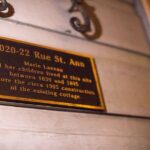
- Marie Laveau’s birthplace stop: not the shop, and that’s the point
- Louis Armstrong Park: the Storyville view and why “replacement” matters
- May Bailey’s Place: the first legal brothel framing
- What you’re really paying for: a guide with pace and street sense
- Drinks, comfort, and timing: how to get the most out of the walk
- Who should book this New Orleans tour, and who should skip it
- Should you book the Badly Behaved Women Who Made New Orleans Tour?
- FAQ
- FAQ
- How long is the tour?
- How much does it cost?
- Where does the tour start and end?
- What time does the tour begin?
- Is the tour in English?
- Are alcoholic drinks included?
- What’s the maximum group size?
- Can I cancel for a refund?
Key highlights worth showing up for
- Ursulines convent built in 1727: the oldest French Quarter building, tied to the story of forced women and punishment
- Lafitte’s Blacksmith Shop: smuggling-front lore plus a practical heat break at a historic bar
- Marie Laveau birthplace: you won’t tour the shop—your stop focuses on where she made real money
- Louis Armstrong Park view: seating and shade while you look over the former Storyville area and hear what replaced it
- May Bailey’s Place: a stop focused on the first legal brothel in New Orleans
- French Market and Golden Lantern: the tour places vice and nightlife stories where they belong—in the streets and landmarks
Not quite the one? Here are other New Orleans tours worth a look.
- New Orleans Premier Ghost, Voodoo and Vampire Walking Tour★ 4.5 · 12,856 reviews
- New Orleans Steamboat Natchez Jazz Cruise with Dinner Option★ 4.0 · 7,533 reviews
- Adults-Only New Orleans Ghost, Crime, Voodoo, and Vampire Tour★ 5.0 · 6,545 reviews
- New Orleans Food Walking Tour of the French Quarter with Small-Group Option★ 5.0 · 6,118 reviews
Price and pacing: $35 for a tight 2-hour story walk
At $35 per person for about two hours, this tour is priced like a solid city walking experience, not an all-day production. The structure is built for attention: short stop times, clear story beats, and enough movement that you don’t feel stuck standing in one place too long.
You get a 2-hour walking tour focused on the history of New Orleans vice and red light districts. Alcohol is not included, but you will get suggestions for cocktail stops near the start and during a break. The group size is capped at 15 people, which matters here. Smaller groups are easier for a guide to manage when the topics get heavy and you want time for questions.
The vibe is part history lesson, part city tour. That can be great if you like facts with a sense of place. It can be less ideal if you want modern-day nightlife recommendations only, because this leans hard into the past.
Chartres Street to the Ursulines Convent: the French Quarter’s oldest building isn’t innocent
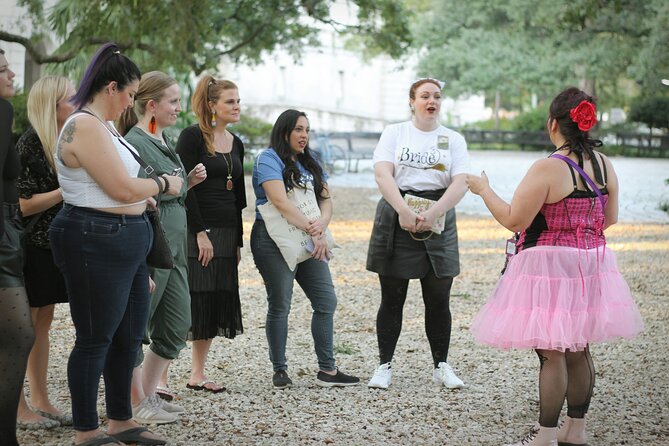
The tour starts at Chartres Street and Ursulines Avenue, right where it’s easy to orient yourself: you’re in the French Quarter, and the walk keeps you grounded in recognizable corners.
Your first major stop is the convent of the Ursulines nuns, tied to the oldest building in the French Quarter. Construction began in 1727, and the guide uses that real age to set the tone. From there, the story shifts into forced migration and control—specifically how church power and the rule of King Louis XV became entangled with sex trafficking and the idea of correction through punishment.
This is the part where the tour asks you to rethink simple blame. The language used in the tour framing is uncomfortable on purpose: the story isn’t just about the women being punished. It’s about the system that punished them, and the way that system portrayed behavior in order to keep women controlled. For me, that approach makes the tour more than shock-value storytelling. You end up looking at the same street with different eyes.
Practical note: since this is early in the walk, bring water and be ready to stand outside at least some of the time. It’s New Orleans, and summer heat doesn’t wait for anyone.
Lafitte’s Blacksmith Shop Bar: smuggling legend plus a real-world break
Next you head to Lafitte’s Blacksmith Shop Bar for a short, useful stop. The tour often pauses here to discuss its history as a smuggling front. It’s also noted as one of the oldest buildings housing a bar in North America.
This stop is more than a story stop. The format includes a 10-minute break, and the guide explicitly uses it as a chance to cool down. That matters on a city walking tour where you’re learning about grim subjects and then still need to function like a human afterward.
Admission here is listed as free, and that makes it a smart value moment: you’re paying for the guide and the narrative, not for a bunch of separate fees.
One drawback: because it’s a break, you won’t get a long deep dive into drinks or cocktail culture from a museum-style angle. If you’re only here for historic bars, you may wish there was more time. But as a pacing tool, it works.
French Market and the Golden Lantern: where danger turns into stories
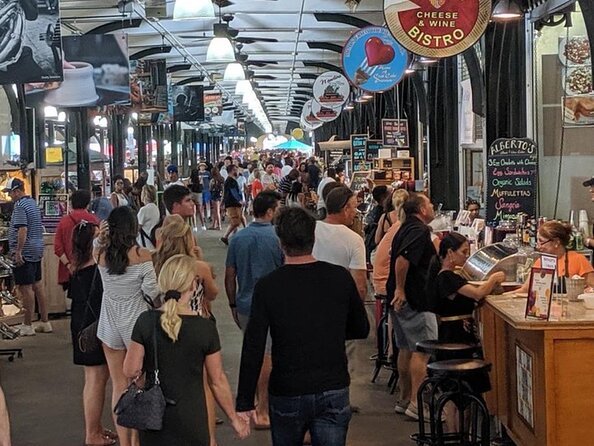
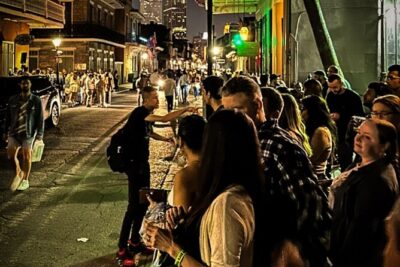
The tour includes a stop area that centers on the French Market—described in the tour material as the most dangerous part of the city years ago. Whether you like market chaos or not, I think it’s a strong choice for this theme. Markets are where people meet, trade, gossip, and hustle. That’s also where systems of vice can hide in plain sight.
From there, the narrative shifts to the Golden Lantern and the story of Southern Decadence. This is one of those moments where you’re not just hearing about sex work as a secret side street. You’re hearing how the city’s reputation and celebrations shaped what people did, where people gathered, and how the city’s identity absorbed the scandal.
What I like about this segment is that it connects vice with place rather than treating it like a topic you read about in a book. You’re standing in the same kind of geography—markets, gathering points, landmarks where crowds form—so the stories feel practical.
If you’re the kind of person who takes photos for context, this portion can be especially good. You’re in classic French Quarter territory, and the guide’s framing helps you shoot smarter pictures rather than just snapping pretty corners.


Marie Laveau’s birthplace stop: not the shop, and that’s the point
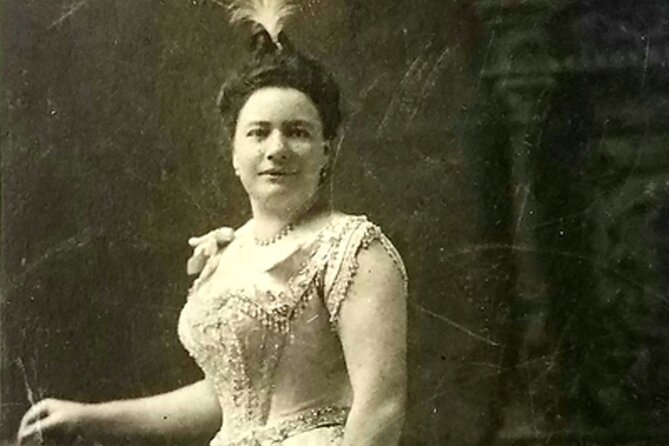
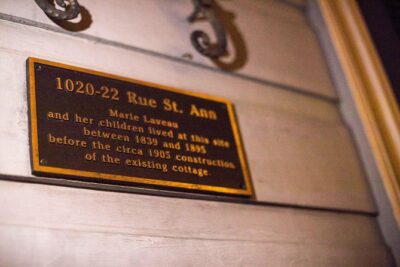
At one point, you’ll hear a setup that feels almost like a plot twist: instead of seeing a shop connected to Marie Laveau, you go to the real Marie Laveau’s birthplace. The tour uses that change to highlight how you might expect one story, then get another.
The focus isn’t just voodoo as culture—it’s also business and leverage. You’ll hear about where she made most of her real money, and the tour positions her as more than a single spooky figure. High-level superstition and high-level money management get placed in the same frame, and that contrast is exactly why this stop works.
You’ll also notice the guide handles the narrative with humor and surprise without making it silly. That balance is important. Topics like this can become disrespectful if a guide treats them like costumes. The way the stop is described aims to keep it grounded.
Time here is short—about 7 minutes—and that’s perfect. It keeps the tour moving while still giving you a specific name and a specific location to remember.
Louis Armstrong Park: the Storyville view and why “replacement” matters
Later, you end up at Louis Armstrong Park, which gives you one of the best learning formats for this topic: a viewpoint.
The tour spends about 25 minutes here with seating and shade so you can sit, cool off, and look out toward the area tied to the former Storyville district on Basin Street. The tour explains that the decadent palaces in Storyville were replaced by the Iberville Projects, and the guide walks you through what that means in human terms: how a city swaps one kind of attention for another, and how the same neighborhoods keep getting repurposed.
You also get photos and discussion of Storyville’s wildest characters. Since you’re seated, you can actually absorb it instead of rushing from one sidewalk stop to the next.
This is a key point for value. A lot of walking tours tell stories at street level only. Here, you get a wider view, and the guide makes the distance feel meaningful. You leave understanding that vice history isn’t just a past scandal—it’s tied to urban planning, housing shifts, and who gets pushed where.
May Bailey’s Place: the first legal brothel framing
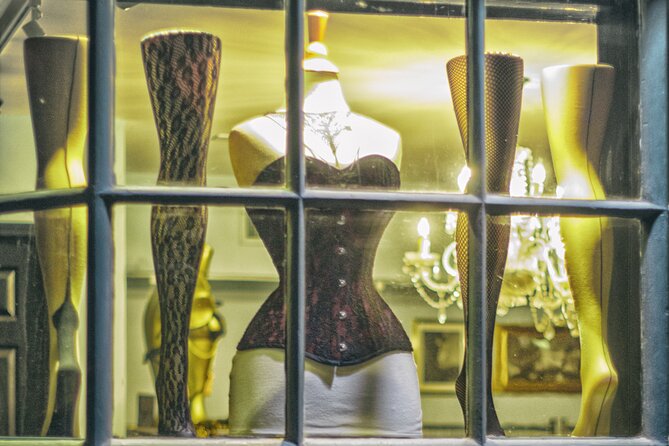
One of the highlights of the tour is a visit to May Bailey’s Place, described as the first legal brothel in New Orleans. Even if you’ve heard the name before, the value here is in how it’s framed.
Instead of treating brothels as a purely underground phenomenon, the stop emphasizes legality, permission, and the way official structures can legitimize what the public claims to condemn. That’s a crucial theme for this tour overall: control can come from law, not only from criminals. The guide’s job is to help you see that the system wasn’t passive. It was active.
Because details like exact building layout or interior access aren’t listed here, I’d treat this as a historical landmark stop: you’ll get the story and then move on. If you want a tour that includes museum-style artifacts, this may not be that. But for street-level understanding of how prostitution could be organized under rules, it’s a strong match.
What you’re really paying for: a guide with pace and street sense
The $35 price tag is doing a specific job. For that money, you’re not buying entry to multiple museums. You’re buying:
- a guided narrative that connects vice to landmarks you can find again
- a route that uses the city’s heat and walking rhythm intelligently
- time-saving stop durations (including free admission moments)
- a small group size so the guide can keep energy up without losing people
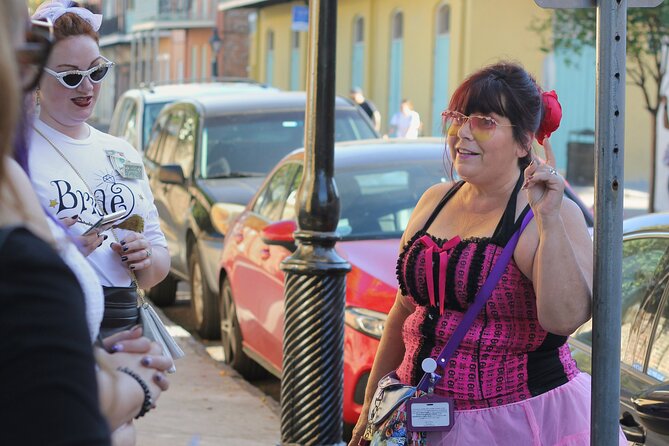
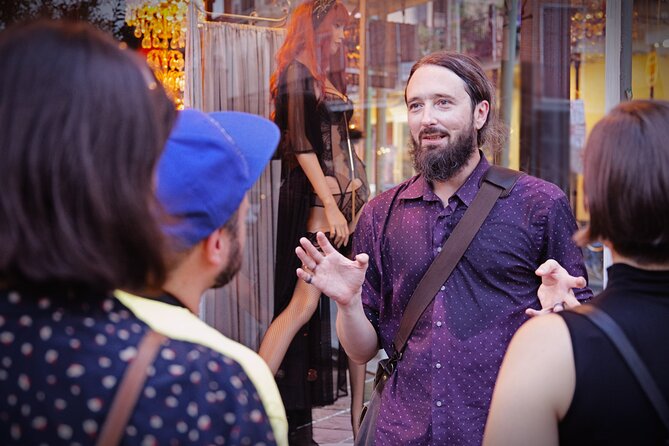
The guide is also a big part of the value. Based on prior runs, guides such as Josh and Tracy bring a mix of friendliness, fun, and real city context. Josh, for example, is described as adding architectural notes and extra New Orleans history along the way. Tracy is described as fun with the kind of added tidbits that help you connect the dots.
That matters because vice history can stay abstract if you only hear broad timelines. When a guide points out how buildings, streets, and institutions fit into the story, it sticks.
Drinks, comfort, and timing: how to get the most out of the walk
You’ll likely be planning this around a hot afternoon start time. The tour begins at 2:00 pm and ends around Louis Armstrong Park. Two hours can pass fast, but the walk is real, and the topic can be emotionally heavy.
Here’s how I’d set yourself up:
- Wear comfortable shoes. You’ll be walking through the French Quarter area.
- Bring water. The tour includes break moments, but you still need your own hydration.
- If you want a cocktail, know it’s not included. The tour suggests cocktail stops at the start and during a break.
- Expect short stop durations. This is built to keep the route moving and prevent fatigue.
Also, because the focus is history tied to sex work and punishment, it helps to be mentally prepared. If you get uncomfortable, that doesn’t mean the tour is wrong. It means you’re engaging with the facts of the city.
Who should book this New Orleans tour, and who should skip it
This is a great pick if you want New Orleans history that isn’t sanitized. If you’re the type who likes learning from what a city chose to preserve—church buildings, named bars, iconic park views, and landmark addresses—this tour fits your style.
It’s also a good choice if you like guides who can weave in extra city details. The comments about guides adding architectural notes and broader New Orleans context suggest this isn’t just names and dates. You’ll likely get a stronger feel for the city’s layout and institutions.
Skip it if you want a family-friendly stroll or a purely entertainment-focused evening. The tour’s subject matter includes sex trafficking, forced control, and public punishment. Even with careful storytelling, it’s adult content.
Should you book the Badly Behaved Women Who Made New Orleans Tour?
I’d book this if you want a concentrated, landmark-based look at how power, sex, and law shaped New Orleans—without needing a whole day or multiple museum tickets. At $35 for about two hours with a small group size, it’s strong value if the topic matches your interests.
I wouldn’t book it if you’re hoping for a light, casual tour. The route includes heavy stories, and the pace stays brisk. But if you’re ready for that trade, you’ll walk away with place-based knowledge you can reuse while exploring the French Quarter on your own.
FAQ
FAQ
How long is the tour?
The tour lasts about 2 hours.
How much does it cost?
It costs $35.00 per person.
Where does the tour start and end?
It starts at Chartres Street & Ursulines Avenue and ends at Louis Armstrong Park.
What time does the tour begin?
The listed start time is 2:00 pm.
Is the tour in English?
Yes, it’s offered in English.
Are alcoholic drinks included?
No. Alcoholic beverages are not included, though cocktail stop suggestions are provided.
What’s the maximum group size?
The tour has a maximum of 15 people.
Can I cancel for a refund?
Yes. You can cancel up to 24 hours in advance for a full refund.
More Tours in New Orleans
More Tour Reviews in New Orleans
Just added to The New Orleans Traveler


Tours, compared.
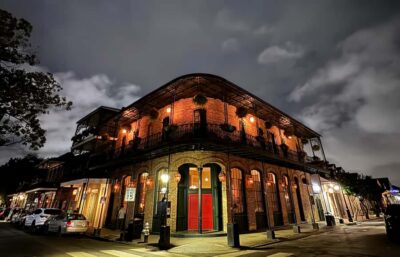
 ★ 4.5Premier Ghost, Voodoo and Vampire Walking TourFrom $2712,856 reviews
 ★ 5.0Adults-Only New Orleans Ghost, Crime, Voodoo, and Vampire TourFrom $376,545 reviews
 ★ 5.0Food Walking Tour of the French Quarter with Small-Group OptionFrom $756,118 reviews
 ★ 5.0Swamp and Bayou Boat Tour with TransportationFrom $705,399 reviews
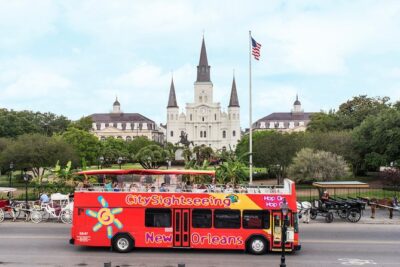 ★ 4.5City Sightseeing Hop-On Hop-Off Bus TourFrom $514,943 reviews
 ★ 4.5St. Louis Cemetery No. 1 Official Walking TourFrom $253,941 reviews
 ★ 5.0Swamp Boat Ride and Oak Alley Plantation Tour from New OrleansFrom $1313,303 reviews
 ★ 5.0Adults-Only Ghost, Voodoo and Vampire TourFrom $293,291 reviews