
Reviewed · PLANTATION TOURS
St. Joseph and Felicity Plantation Combo Tour
Two plantations. One smooth schedule.
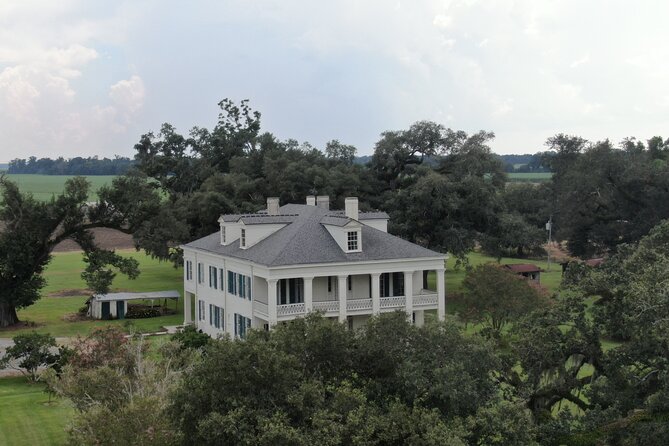
This combo tour in Vacherie, Louisiana pairs St. Joseph and Felicity for a careful look at plantation life through architecture, outbuildings, and the Louisiana sugarcane story, plus film locations connected to Twelve Years A Slave.
I especially like the one ticket setup. You get entry to both sites without juggling separate admissions, and the total time stays relaxed since each plantation visit runs about 45 minutes with time to walk the grounds. I also love the way the guides bring the place to life, including the human stories tied to cabins once used by enslaved workers and the sugarcane process shown in the Louisiana Sugarcane Museum.
One possible drawback: this experience requires good weather, and the content is about enslaved people and the sugarcane trade. If you want history told in a light, fluffy way, this isn’t that kind of tour.
In This Review
- Key things you’ll notice on this combo
- Two plantations in Vacherie, with a schedule that doesn’t burn you out
- One ticket, two very different flavors of plantation life
- Stop 1: St. Joseph Plantation—houses, cabins, and the sugarcane process
- The house tour: details that help you picture daily life
- The grounds and outbuildings: where the history becomes physical
- Louisiana Sugarcane Museum: the “how it worked” piece
- Film-location spotting: a fun side quest with a real connection
- Stop 2: Felicity Plantation—architecture, grounds, and a more personal feel
- Photography: more freedom than you might expect
- Grounds walking: where guides can connect the dots
- The guides: human stories, calm pacing, and names to watch for
- How long is it, really, and will it feel rushed?
- The $46 value: why the combo ticket is the smart move
- Who should book this combo tour?
- Practical notes to keep your day easy
- Should you book the St. Joseph and Felicity Plantation combo?
- FAQ
- How long is the St. Joseph and Felicity Plantation combo tour?
- What does the ticket include?
- Is the tour offered in English?
- Does this tour require good weather?
- Can I cancel and get a full refund?
- Are service animals allowed, and is it suitable for most people?
Key things you’ll notice on this combo
- One ticket for both plantations, so you can plan once and move on
- Sugarcane history at the Louisiana Sugarcane Museum, with historic tools, photos, and documents
- Original outbuildings and cabins connected to the enslaved workforce
- Film-location spotting around the grounds, including Twelve Years A Slave
- House tours plus ground walking that keep the pace steady and manageable
Other River Road plantation visits
- Swamp Boat Ride and Oak Alley Plantation Tour from New Orleans★ 5.0 · 3,303 reviews
- Oak Alley Plantation Tour with Transportation from New Orleans★ 4.5 · 1,747 reviews
- Whitney Plantation Tour with Transportation from New Orleans★ 4.5 · 1,351 reviews
- Laura Creole Plantation Guided Tour★ 5.0 · 1,279 reviews
Two plantations in Vacherie, with a schedule that doesn’t burn you out
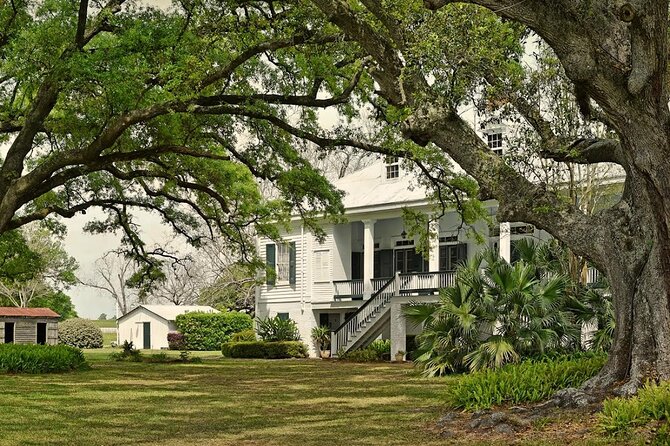
If your goal is to see more than one plantation in the New Orleans area without feeling rushed, this St. Joseph and Felicity combo is built for that. The big win is the single admission ticket for both properties, and the visit structure keeps things readable: houses, grounds, then a museum stop tied to sugarcane.
The other thing I like is that you aren’t only walking past buildings. You’re connecting architecture and daily life to the sugarcane economy that shaped the region. It’s a tour where the setting and the topic match, instead of feeling like a quick photo stop.
One ticket, two very different flavors of plantation life
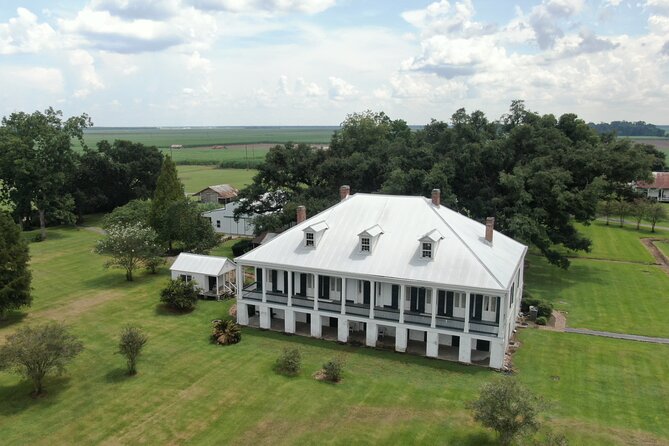
This is marketed as a combo tour of two authentic, working sugarcane plantations. In plain terms: you’re not just looking at static ruins. You’re touring preserved plantation houses and the surrounding property, with period furnishings and décor that reflect life across the 19th and 20th centuries.
Here’s what that means for you on the ground. You’ll have time to notice details—like how the homes are arranged and what outbuildings still exist—then you’ll get the context to understand why those details mattered. And because the ticket covers both sites, you can compare what you learn in one place right after you hear it in the next.
A useful detail from past visitors: this tour can feel more personal than the big, museum-style plantation experiences, partly because the property remains in the descendants’ hands rather than being treated purely like a museum. That lived-in ownership can make the history feel closer to the ground.
Stop 1: St. Joseph Plantation—houses, cabins, and the sugarcane process
St. Joseph is where the tour starts, and it’s a smart first stop. You get the plantation house experience—preserved spaces with architecture, furnishings, and décor that help you picture how people lived—then you shift to the broader working landscape.
The house tour: details that help you picture daily life
The preserved house tour gives you a framework. You’re not just seeing big rooms. You’re seeing how interior design and building choices reflect lifestyle across later periods, and how those spaces relate to the plantation’s working reality.
If you like to learn by looking closely, you’ll enjoy this part because it gives you something concrete to anchor your attention to. It’s also a section where the guide stories matter. Without the explanation, plantation architecture can feel like a “pretty building” experience. With the guide, it becomes a map.



The grounds and outbuildings: where the history becomes physical
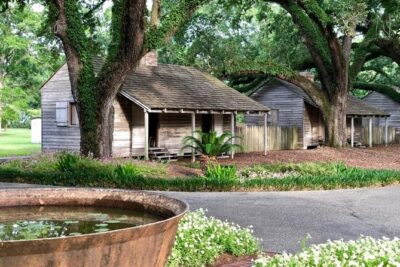
Then you move outdoors to original outbuildings. This is where the tour is especially important. You’ll visit cabins that were once inhabited by enslaved workers, and you’ll get insight into how the sugarcane operation functioned as a labor system.
That shift—from rooms to outbuildings—isn’t just a change of scenery. It changes the emotional and historical weight. If you’re sensitive to this topic, plan for it. The tour is described as handling the subject respectfully, but it still directly addresses slavery and the sugarcane economy.
Louisiana Sugarcane Museum: the “how it worked” piece
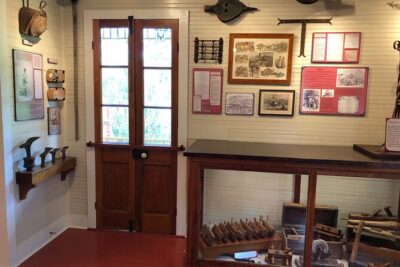
St. Joseph also includes the Louisiana Sugarcane Museum, which helps the day make sense. You’ll see how sugarcane cultivation worked through historic tools, photographs, and documents. This isn’t vague talk. It’s process-based learning that ties back to what you’re seeing on the plantation grounds.
For many people, this museum stop is the difference between a plantation tour that feels like sightseeing and one that feels like understanding. You finish with a clearer mental picture of what plantation labor supported and why sugarcane was such a central engine of the region.
Film-location spotting: a fun side quest with a real connection
One highlight built into this tour is the chance to spot filming locations from Twelve Years A Slave and more. Even if you’re not a film buff, this can add an extra layer of attention. You’ll start noticing angles and spaces that show up on screen, then you’ll connect that with the real-world setting the buildings sit in.
It’s one of those “wait, that’s the same view” moments that turns a history day into something you remember visually.
Stop 2: Felicity Plantation—architecture, grounds, and a more personal feel

After St. Joseph, you head to Felicity. The tour format stays consistent—house tour plus grounds walking—but the atmosphere can feel noticeably different once you’re in a second property.
Past visitors have pointed out that Felicity and St. Joseph can feel more original than heavily tour-loaded plantation museums. One reason: the sites are still tied to the descendants of the original owner. That matters because it often changes how the property feels in motion. Instead of everything being arranged purely for crowds, it can feel like you’re touring a place with continuity.
Photography: more freedom than you might expect
You may be able to take photos inside and outside the homes. That’s not a small point. Plantation tours sometimes restrict photography in ways that make the visit feel like a walk-through with limited recall. Here, the ability to photograph can help you remember details like furniture placement, building shapes, and the textures of outbuildings.
Just keep your expectations realistic: if a specific area has limits, follow the guide’s direction.
Grounds walking: where guides can connect the dots
Felicity’s grounds add more context. You’ll keep learning through the same mechanism: the guide points out what you’re seeing, then ties it to the broader story of plantation life and the sugarcane trade.
This second stop is also where a good guide really shows. If the group is small, the conversation tends to have more room for follow-up questions and extra detail. That’s part of why some visitors describe the experience as one-on-one when the group stays small.
The guides: human stories, calm pacing, and names to watch for
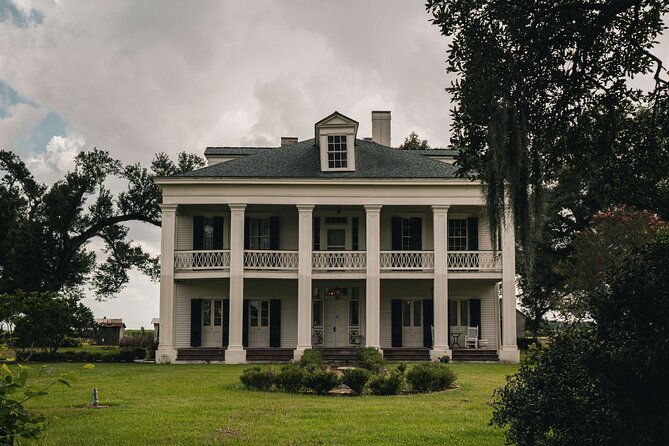
What makes this tour work better than a quick checklist is the guide performance. The tour is structured so you get stories at a pace that doesn’t bulldoze your attention.
In earlier tours, guides such as Mike (including Mike O.), Sharon and Jamie, and Laura have led guests through the premises. People consistently praised how these guides took their time and helped them understand what they were looking at.
Here’s what you should take from that as a traveler: choose the tour for the explanations, not just for the buildings. The architecture is impressive, but the guide is what connects architecture to the lives tied to the plantation economy.
Also notice this detail from how the tour is described: guides use a careful, respectful approach to complex history. If they aren’t 100% sure about a specific fact, they may frame it as possible or their best understanding. That approach can feel honest and grounded rather than rehearsed.
How long is it, really, and will it feel rushed?
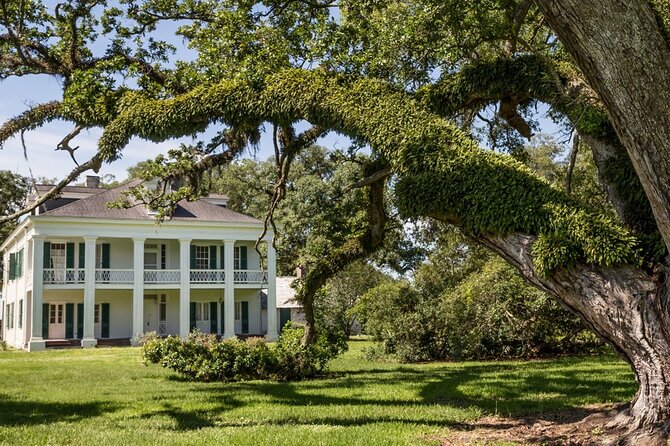
The total time is about 3 hours, and each plantation tour portion is around 45 minutes. That sounds straightforward, but here’s how that timing tends to feel in practice: you get enough time to walk, look, and absorb—without turning into a footrace.
You’ll likely have a few transition moments between the two sites and the museum content at St. Joseph. The pacing is designed to let the story unfold in chunks. That matters, because plantation history is not a topic you want delivered at sprint speed.
A nice bonus from real-world experience: when the group is small, the tour can feel almost private. If you like attention from your guide and a slower pace for questions, this setup can be a good match.
The $46 value: why the combo ticket is the smart move

Let’s talk value in a way that helps you decide. At $46 per person for about 3 hours, you’re paying for two separate plantation experiences that include admission to both St. Joseph and Felicity as part of the price.
In other words, you’re not paying twice for separate tickets, and you’re not losing time coordinating two different tours. That combo structure typically saves you the hassle of scheduling—especially if your overall New Orleans day is already packed.
You also get multiple learning modes in that price: house tour, grounds exploration, sugarcane museum learning, and film-location spotting. If you’re comparing this to doing just one plantation, the biggest value isn’t just more buildings. It’s more perspective. Two plantations let you see the same economic system reflected in different property layouts and interpretive focuses.
Who should book this combo tour?
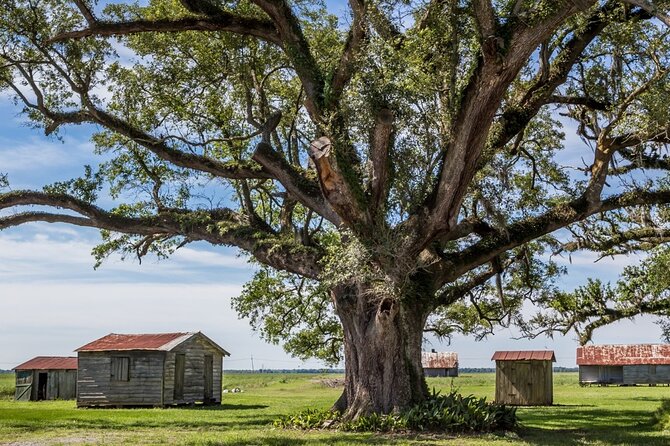
This works best if you want a guided plantation day that is structured, educational, and not overly chaotic. It’s also ideal if you want to cover both St. Joseph and Felicity without splitting your attention into multiple unrelated bookings.
I’d put it at the top of your list if:
- You’re already planning an Oak Alley–style visit and you want a different feel right next door
- You care about sugarcane trade context, not just plantation architecture
- You want time to look closely and take in outbuildings, including cabins connected to enslaved workers
- You prefer a calm pace with room for explanation
It’s less ideal if you want a short, light sightseeing outing. The history is real, and the tour is built around it.
Practical notes to keep your day easy
This is in English, and it’s described as suitable for most people. Service animals are allowed.
Weather matters. The experience requires good weather, and if conditions don’t cooperate, you should expect an option to switch dates or get a full refund. Plan to check forecasts the day before and wear footwear that handles walking on plantation grounds.
One more practical tip: bring something for comfort—sunglasses, water, and sun protection—because a plantation tour is partly outdoors even when the visit focuses on houses and museum-style learning.
Should you book the St. Joseph and Felicity Plantation combo?
Yes, if you want a plantation experience that combines two sites, clear sugarcane context, and guides who slow down enough for you to actually process what you’re seeing. The biggest reasons to book are the single ticket for both plantations and the learning payoff from the Louisiana Sugarcane Museum plus the outbuilding and cabin visits.
If you’re already planning a big day around New Orleans and you’re trying to avoid the awkward feeling of hopping between separate tours, this combo solves that. And if you like the idea of spotting filming locations like Twelve Years A Slave while you learn what those grounds actually represent, it’s a strong match.
If the topic of slavery and the sugarcane labor system is hard for you, take that seriously and plan emotionally. This isn’t a casual history stop. It’s a respectful, direct guided look at how that system worked.
FAQ
How long is the St. Joseph and Felicity Plantation combo tour?
The tour is about 3 hours in total.
What does the ticket include?
Admission to both St. Joseph Plantation and Felicity Plantation is included.
Is the tour offered in English?
Yes, the tour is offered in English.
Does this tour require good weather?
Yes. The experience requires good weather, and if it’s canceled due to poor weather, you’ll be offered a different date or a full refund.
Can I cancel and get a full refund?
You can cancel for a full refund if you cancel at least 24 hours before the experience’s start time. If you cancel less than 24 hours before, the amount paid is not refunded.
Are service animals allowed, and is it suitable for most people?
Service animals are allowed, and most people can participate.
More Tours in New Orleans

More Tour Reviews in New Orleans
More River Road Plantations


Just added to The New Orleans Traveler


Plantation Tours, compared.
 ★ 5.0Swamp Boat Ride and Oak Alley Plantation Tour from New OrleansFrom $1313,303 reviews
 ★ 4.5Oak Alley Plantation Tour with Transportation from New OrleansFrom $891,747 reviews
 ★ 4.5Whitney Plantation Tour with Transportation from New OrleansFrom $891,351 reviews
 ★ 5.0Laura Creole Plantation Guided TourFrom $321,279 reviews
 ★ 4.7Bayou Swamp Tour and Oak Alley Plantation TourFrom $1251,147 reviews
 ★ 4.7Oak Alley Plantation & Airboat Swamp Combo TourFrom $160906 reviews
 ★ 4.5Oak Alley Plantation and Large Airboat Swamp Tour from New OrleansFrom $160712 reviews
 ★ 4.5Houmas House Estate and Gardens Guided TourFrom $38632 reviews
Browse the lists this tour appears in