
Reviewed · CITY TOURS
New Orleans: Traditional City and Estate Tour
New Orleans grabs you fast. This 4-hour French Quarter-to-estates tour is designed to show you how the city works today, from the streets near Bourbon to the levee system along Lake Pontchartrain, and then back through the grand mansion corridors.
I especially liked the stops that balance legend with street-level detail—St. Louis Cemetery #3 and the guided hour at the Besthoff Sculpture Gardens inside New Orleans City Park. You also get hotel pickup and a strong audio setup, so the guide’s stories land even if you’re moving.
One thing to keep in mind: a portion of the time is spent riding between areas. If your top goal is lots of walking and lots of quick photo opportunities in the Quarter, plan to add extra solo wandering after the tour.
In This Review
- Key things that make this tour work
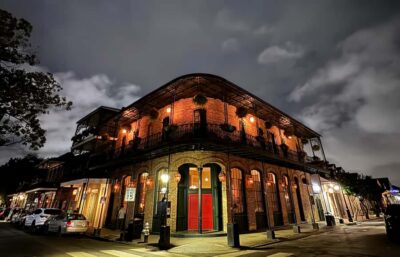
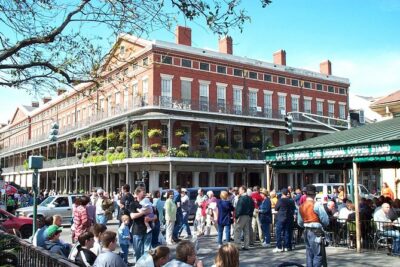
- French Quarter and French Market: a clean start with real texture
- Esplanade Avenue mansions and the old U.S. Mint: seeing wealth in motion
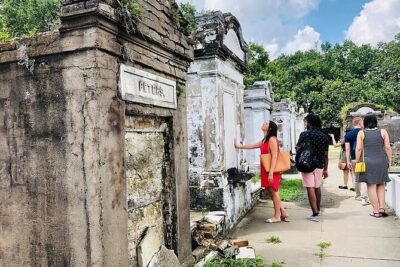
- St. Louis Cemetery #3: why the graves are above ground
- Bayou St. John and uptown approach: late-1700s houses in context
- City Park and live oaks: a different pace inside the city
- Besthoff Sculpture Gardens: the guided hour that turns sights into meaning
- Lake Pontchartrain levee system: engineering explained for real-world New Orleans
- Carrollton, Tulane, Loyola, and St. Charles Avenue: the streetcar-and-mansions corridor
- Downtown return via the Superdome area: finishing where the energy lives
- Price and logistics: is $96 a fair deal for a 4-hour combo tour?
- Should you book this New Orleans: Traditional City and Estate Tour?
- FAQ
- How long is the New Orleans Traditional City and Estate Tour?
- What does the tour include?
- Are food and drinks included?
- What are the must-see stops on the route?
- Is the tour available in languages other than English?
- Can I bring luggage or a large bag?
- What’s the Besthoff Sculpture Gardens time on the tour?
Key things that make this tour work
- French Market + old U.S. Mint: a smart starter route that connects food culture to big historic landmarks.
- Esplanade Ave mansion viewing: you get that “what life looked like 100 years ago” feel without needing to buy extra tickets.
- St. Louis Cemetery #3 walk: above-ground burial customs explained in a way you can actually visualize.
- City Park plus the Besthoff Sculpture Gardens: an hour worth of guided art and gardens, not just a quick pass-by.
- Levee system + Causeway bridge views: geography and engineering, explained with New Orleans in mind.
- Uptown streetcar corridor sights: Carrollton, Tulane, Loyola, and the St. Charles Avenue mansion stretch.
More ways to see the city in a day
- New Orleans City Sightseeing Hop-On Hop-Off Bus Tour★ 4.5 · 4,943 reviews
- New Orleans Sightseeing City Tour★ 5.0 · 3,038 reviews
- City Tour of New Orleans with Pickup★ 4.5 · 2,407 reviews
- New Orleans City Tour: French Quarter, Garden District & Cemetery★ 4.5 · 2,209 reviews
French Quarter and French Market: a clean start with real texture
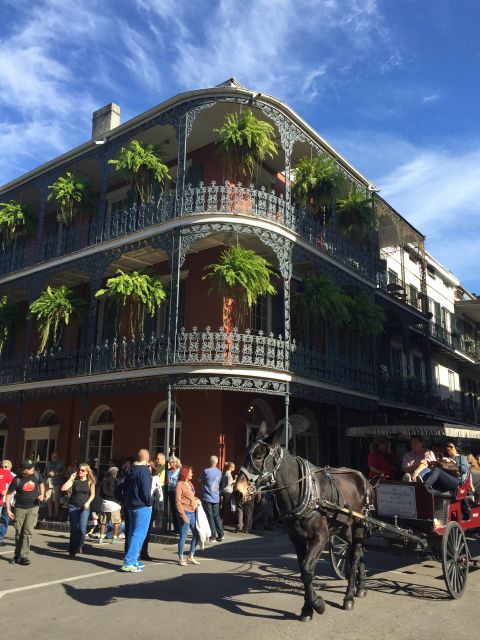
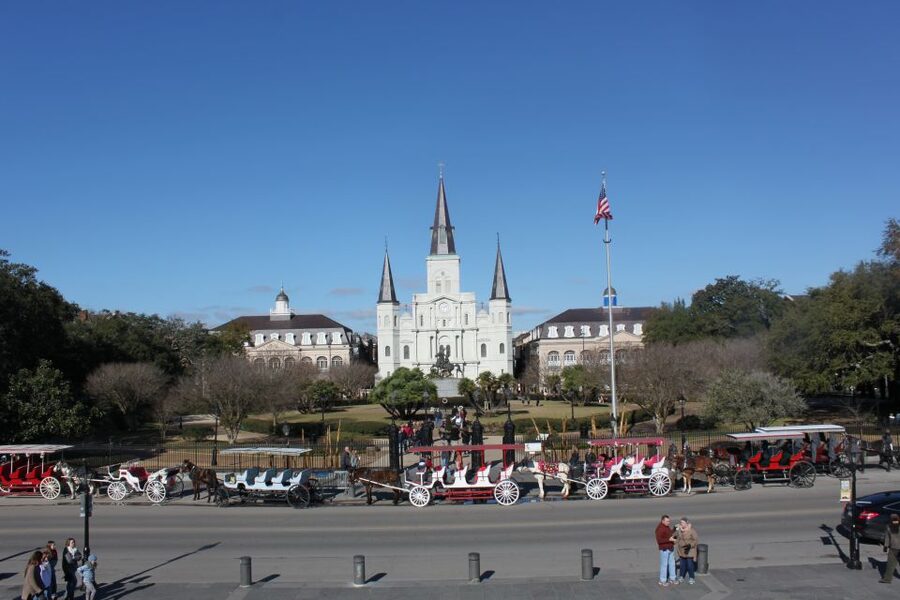
The tour begins with hotel pickup, then pushes you quickly into the parts of New Orleans that visitors often see from a distance. Your first major stop is the French Market, where you get a taste of the city’s long-running culinary culture. Even if you’re not shopping, this is a useful way to get your bearings. The market is loud, visual, and grounded in everyday food life.
From there, you head toward the old U.S. Mint and then on to the classic mansion corridors. The point here isn’t just to collect landmarks. It’s to understand why New Orleans grew where it did—through trade, wealth, and the city’s relationship to water. You’ll feel how the Quarter and the “estate” side of town fit together, even though they look like they’re from different worlds.
If you’re the kind of traveler who likes your first few hours to set themes (money, food, water, power), this start helps. It also means you’re not wasting time later trying to connect dots between “pretty streets” and “how the city actually functioned.”
Esplanade Avenue mansions and the old U.S. Mint: seeing wealth in motion
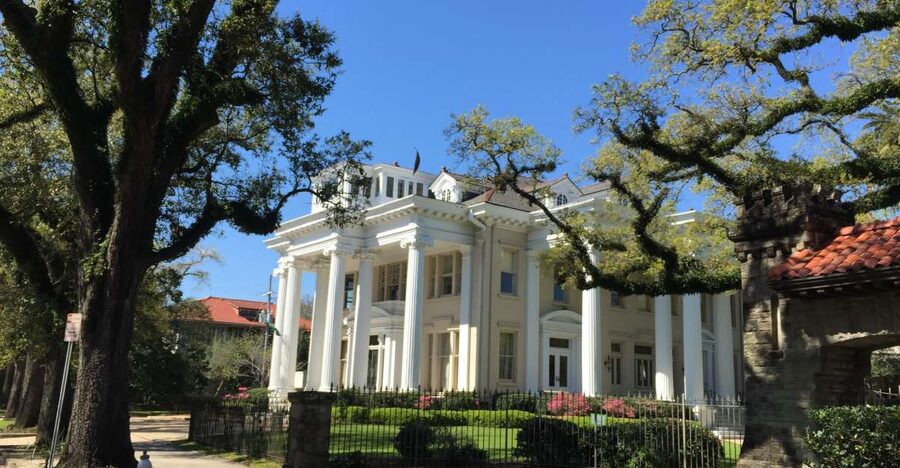
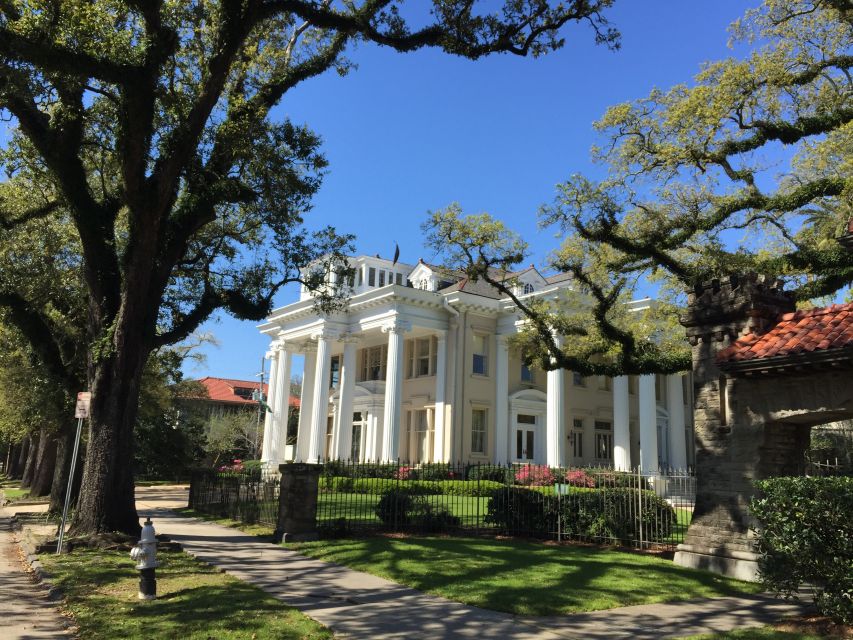
A key part of the experience is the drive through the mansions along Esplanade Ave. The idea is simple: you don’t just hear about old New Orleans—you watch the streets that held that old life. From outside, these homes can look like scenery. With the guide pointing out what to notice, they become a timeline: architecture, street scale, and the contrast between neighborhoods.
The old U.S. Mint fits the same theme. It’s a reminder that the city’s story isn’t only about music and romance. It’s also about commerce and institutions that shaped the urban layout. Standing in front of (or driving by) places like this helps you read the city like a map with social meaning, not just a collection of photos.
Practical tip: if rain rolls in, you’ll have umbrellas provided. That matters here because your early views depend on street-level sightlines. You can still enjoy the route without rushing through it like you’re escaping weather.
St. Louis Cemetery #3: why the graves are above ground
The cemetery stop is one of the most memorable parts of this tour, and it’s easy to see why. St. Louis Cemetery #3 gives you a guided walk through a burial tradition that feels totally unfamiliar until someone explains it.
Here’s the core idea: in New Orleans, many graves are above ground. The tour connects this to the city’s geography—New Orleans sits below sea level, and building and burial practices adapted accordingly. Once you understand that, the cemetery stops looking strange and starts looking logical. You’re not just staring at old stone. You’re seeing how people responded to the environment.
The guide also points out that you may encounter famous residents. The value isn’t in name-dropping. It’s in the perspective shift: cemeteries in New Orleans aren’t hidden backdrops. They’re part of the city’s daily language—history you can walk through.
If cemeteries make you uneasy, you can still appreciate the cultural explanation. You’re not expected to treat it like a museum stop. It’s more like learning how a city thinks about memory.
Bayou St. John and uptown approach: late-1700s houses in context
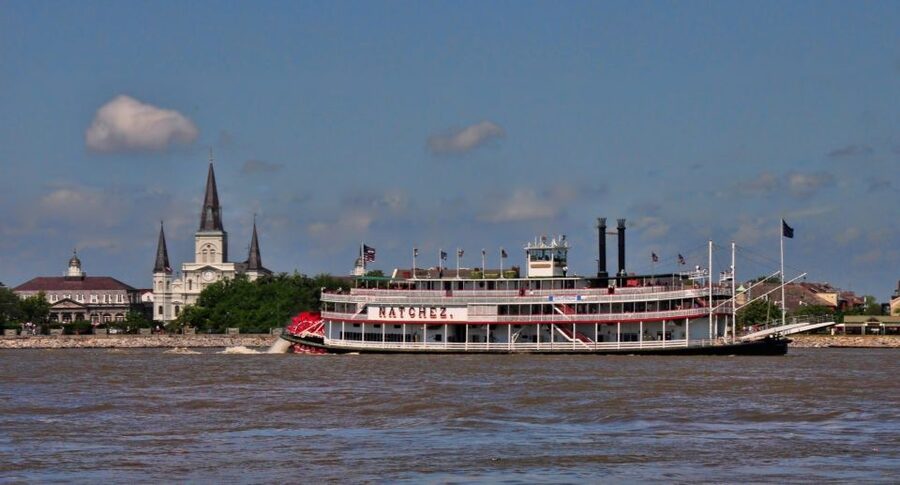
After the cemetery, the route turns gentler in mood. You ride along Bayou St. John, where the guide points out houses from the late 1700s. Even if you don’t stop to explore interiors, this kind of “time travel from the car” works well when the guide ties it to New Orleans growth patterns.
This section helps you break the day into chunks. You’ve had the Quarter energy. You’ve had cemetery reflection. Now you get a calmer rhythm before City Park and the sculptures.
One reason this is a strong approach is that New Orleans neighborhoods don’t tell their stories in straight lines. Driving segments can feel passive, but when they’re paired with specific prompts—like what to notice about period homes—they become useful context, not wasted time.





City Park and live oaks: a different pace inside the city
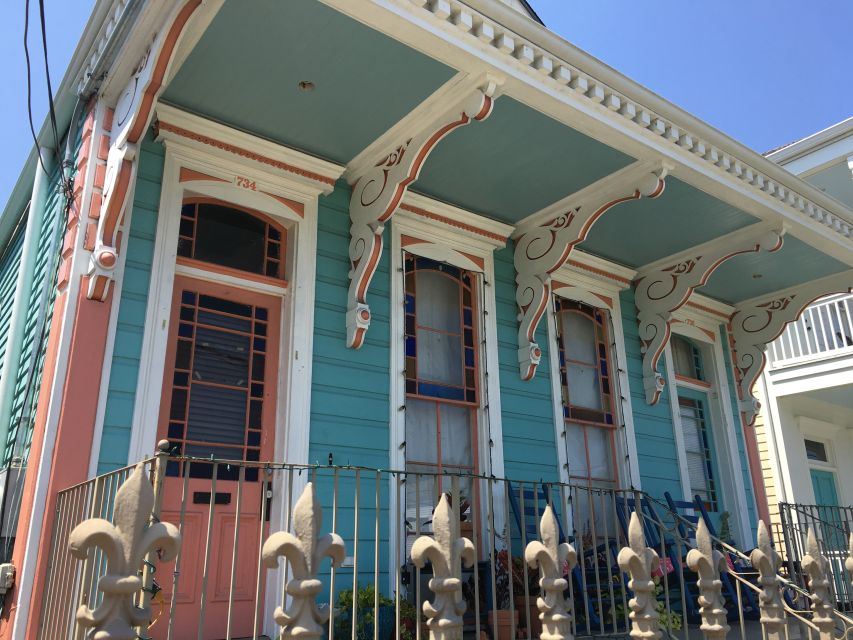
Then you reach New Orleans City Park, which is where the tour slows down again. You’ll see an antique carousel and centuries-old live oaks, and you get the chance to understand why this park is more than a green patch on a map.
The live oaks matter because they create shade and structure. In a hot, humid city, shade isn’t a detail. It’s part of how people experience the outdoors. And City Park uses that natural framework well, with walking paths and water features that make the space feel slower even when you’re moving with a group.
The tour includes a stop to explore the Besthoff Sculpture Gardens, which sit inside City Park. That means the day doesn’t end at “pretty park.” It ends with an hour built specifically for art and garden design.
Besthoff Sculpture Gardens: the guided hour that turns sights into meaning
The Besthoff Sculpture Gardens are part of what earns this tour its strong reputation. You get a full 1-hour tour, which is enough time to see details without feeling like you’re rushing through a checklist.
The gardens are described as about 8 acres, with meandering walking paths and water features between two lagoons. That layout shapes the whole visit. You’re not walking in circles for the sake of it. You’re moving through designed sightlines—approaching sculpture from different angles, then stepping into calmer areas as the water and shade do their work.
You’ll also notice the setting: centuries-old, moss-draped live oaks surround the lagoons. That’s not just scenery. It explains why the gardens feel like they belong to the local environment. The artistry sits inside a living canopy, and the guide’s commentary makes it easier to see how the sculptures interact with light, reflections, and the pause between paths.
A practical note: there are two lagoons and a lot of garden paths, so wear comfortable shoes. You’ll be standing and walking, not just admiring from one spot.
Lake Pontchartrain levee system: engineering explained for real-world New Orleans
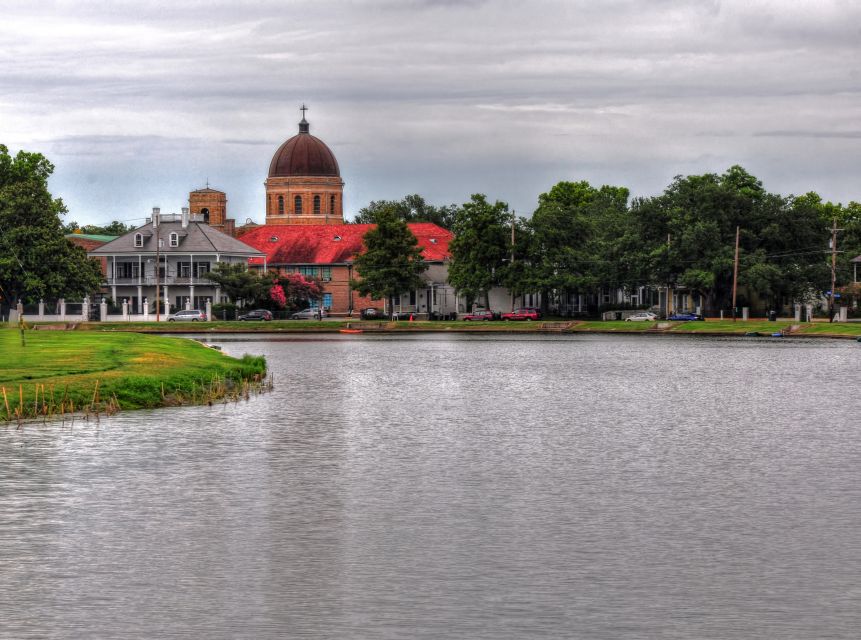
After City Park, the tour turns outward toward the edges—Lake Pontchartrain’s shores and the levee system. This part is valuable because it takes you away from the postcard view and into the city’s survival system.
The guide explains the levees and you get to see the longest of all Causeway bridges. Even if you don’t know the geography beforehand, this section helps you understand what that landscape does for the city. It’s not scary “disaster talk.” It’s practical explanation of how water management shapes neighborhoods and life here.
I like this segment because it changes the kind of question you’re asking yourself while touring. Instead of only “What’s pretty?” you start thinking “Why is this where it is?” New Orleans becomes easier to read when you’ve seen its water logic.
Carrollton, Tulane, Loyola, and St. Charles Avenue: the streetcar-and-mansions corridor

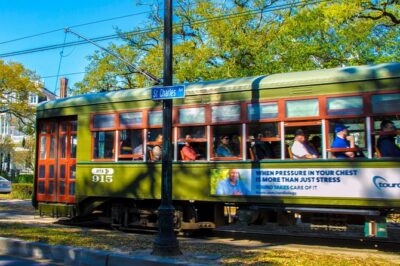
On the uptown leg, you’ll pass through Carrollton, see Tulane and Loyola Universities, and spot the 160-year-old streetcar line. The streetcar isn’t just a novelty. In a city like New Orleans, it’s a moving piece of the urban plan—linking neighborhoods along a major spine.
Then comes St. Charles Avenue, known here for its grand colonial mansions. Whether you’re a fan of architecture or you just like imagining daily life from long ago, this corridor gives you that “estate district” feeling—without needing to search for a specific address.
The guide’s job is to keep it from becoming a blur of pretty buildings. When the commentary points out what you’re looking at, you start noticing street width, house placement, and how the avenue supports the whole neighborhood rhythm.
Downtown return via the Superdome area: finishing where the energy lives
Near the end, you head back downtown around the Superdome and through the business district before returning to your hotel. That final loop is useful. It reminds you that New Orleans doesn’t neatly separate into “old” and “new.”
You see the big public venue zone and the working center of town. It’s a good way to end because it links your earlier stops—markets, money institutions, estates, and water systems—to the modern city’s everyday function.
Price and logistics: is $96 a fair deal for a 4-hour combo tour?
At $96 per person for a 4-hour tour, this sits in the mid-range for guided New Orleans sightseeing. What makes it feel closer to good value (and not just a price tag) is the mix of included support and the number of major stops packed into one run.
You’re getting:
- Hotel pickup
- A live English guide
- Umbrellas in case of rain
- An audio system so you can follow along without squinting
- A built-in 1-hour guided visit at the Besthoff Sculpture Gardens
The main “value question” for you is how you like to spend time in a city. If you’re okay with being in a vehicle between stops, you’ll appreciate how the route connects big themes—Quarter, cemeteries, estates, parks, and water infrastructure. If you need constant walking and maximum time out of the vehicle, you might feel shorted on the amount of time you get in each zone.
Also note what’s not included: food and beverages aren’t part of the price. There are opportunities to purchase snacks and drinks at gift shops during the day, so you’re not stuck entirely. Still, you’ll want a plan to grab something before or after if you’re sensitive to meal timing.
One more logistics point: luggage or large bags aren’t allowed. If you’re traveling with a day bag, you’ll be fine. If you’re carrying more than that, look for a place to store it before you join the tour.
Should you book this New Orleans: Traditional City and Estate Tour?
I think this tour is a strong pick if you want a guided New Orleans overview with a clear theme: how old wealth, local customs, and the city’s water reality shape what you see. The cemetery and the Besthoff Sculpture Gardens are the two anchors. If those are on your must-do list, the rest of the route feels designed to connect them.
Skip it or treat it as only part of your plan if your top priority is long, uninterrupted time walking in the French Quarter or getting lots of chances for quick stop-and-stroll photos. This tour mixes driving with a few deeper stops, and that style won’t match every traveler’s pacing preference.
If you’re trying to see a lot without over-planning, this one is worth serious consideration—especially for first-timers who want context, and returning visitors who want a different route than the usual only-Quarter approach.
FAQ
How long is the New Orleans Traditional City and Estate Tour?
It lasts 4 hours.
What does the tour include?
Hotel pickup, a live English guide, umbrellas in case of rain, and a quality audio system.
Are food and drinks included?
No. Food and beverages are not included, but you can purchase snacks and drinks at gift shops.
What are the must-see stops on the route?
The highlights include the French Quarter area, St. Louis Cemetery #3, the mansions along Esplanade Ave, and a 1-hour tour of the Besthoff Sculpture Gardens in New Orleans City Park.
Is the tour available in languages other than English?
English is listed, and French and Spanish tours are available for an additional cost upon request.
Can I bring luggage or a large bag?
No. Luggage or large bags are not allowed.
What’s the Besthoff Sculpture Gardens time on the tour?
You get a 1-hour guided visit at the Besthoff Sculpture Gardens.
More City Sightseeing




More Tours in New Orleans


More Tour Reviews in New Orleans
Just added to The New Orleans Traveler



City Tours, compared.
 ★ 4.5City Sightseeing Hop-On Hop-Off Bus TourFrom $514,943 reviews
 ★ 5.0Sightseeing City TourFrom $403,038 reviews
 ★ 4.5City Tour of New Orleans with PickupFrom $452,407 reviews
 ★ 4.5City Tour: French Quarter, Garden District & CemeteryFrom $402,209 reviews
 ★ 4.5City and Cemetery 2-Hour Bus TourFrom $541,967 reviews
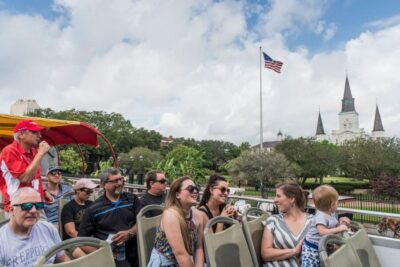 ★ 4.5City Sightseeing New Orleans HOHO Bus Tour & Bookable ExtrasFrom $511,077 reviews
 ★ 5.0Small-Group City Tour by Van1,077 reviews
 ★ 4.5City and Cemetery Tour with Garden District StrollFrom $55766 reviews