
Reviewed · JAZZ & LIVE MUSIC TOURS
New Orleans Music Heritage Tour
Jazz history walks beside you on Frenchmen Street. This 2-hour New Orleans Music Heritage Tour pairs a local record man like Keith with a walking route through the Marigny, French Quarter, and Treme, plus Bluetooth music snippets tied to street-corner stories.
I like that you get music played on the spot, with clips connected to what you’re seeing, from blues and jazz to gospel. You’re not stuck reading a sign. You’re hearing the soundtrack.
I also like the small group size (28 max) and the way the guide threads artist stories to specific stops like Danny Parker’s boyhood home and J&M Studios. The tradeoff: expect plenty of walking and an adult-leaning tone, so it may not suit kids.
In This Review
- Key Points to Know Before You Go
- A $30 New Orleans Jazz Walking Tour That Fits Real Plans
- Frenchmen Street Start: Louisiana Music Factory Sets the Tone
- Marigny, French Quarter, and Treme: 300 Years of Sound in Walking Order
- French Quarter Highlights You’ll Still Notice Afterward
- Preservation Hall, Congo Square, and Louis Armstrong Park: Legacy in Real Places
- Preservation Hall
- Congo Square
- Louis Armstrong Park and the Treme thread
- What Makes the Guide Matter: Keith, Bluetooth Audio, and Real-World Stories
- A note on reliability
- Practical Stuff Before You Go: Walking Time, Comfort, and Adult Tone
- Should You Book This New Orleans Music Heritage Tour?
- FAQ
- How long is the New Orleans Music Heritage Tour?
- What does it cost?
- Where do I meet the guide, and where does the tour end?
- What music will I hear during the tour?
- Is there a maximum group size?
- What if the tour can’t run due to weather?
Key Points to Know Before You Go
- Frenchmen Street start, French Quarter finish: meet at Louisiana Music Factory and wrap behind St. Louis Cathedral near buskers.
- Bluetooth audio on the route: your guide uses Bluetooth speaker capability to match the music to the location.
- Big names, plus the less obvious trail: you’ll hit Preservation Hall, Louis Armstrong Park, Congo Square, and more.
- Small group energy (max 28): you get time for questions and a more personal pace.
- Adult-friendly stories and humor: plan on uncensored conversation and lots of steps.
Follow the brass a little further
- New Orleans Steamboat Natchez Jazz Cruise with Dinner Option★ 4.0 · 7,533 reviews
- New Orleans Steamboat Natchez Jazz Cruise★ 4.5 · 5,334 reviews
- New Orleans: Evening Steamboat Jazz Cruise + Optional Dinner★ 4.3 · 4,548 reviews
- New Orleans: Daytime Steamboat Jazz Cruise + Optional Lunch★ 4.3 · 4,164 reviews
A $30 New Orleans Jazz Walking Tour That Fits Real Plans
For $30, this is one of the easiest ways to experience New Orleans music as a walking story, not a museum exhibit. The timing helps too. Two hours is long enough to feel you’ve gone somewhere, but short enough to still have energy for a late dinner, drinks, or live music afterward.
The format is also smart: it’s guided, but it’s not a bus tour. You’re moving through the neighborhoods that shaped the sound. That makes the music feel like it belongs to the streets, not like it’s floating above them. The tour includes English narration, a mobile ticket, and an emphasis on listening as you go, using a Bluetooth setup to play clips tied to artists and places.
One thing to keep in mind: you’re on your feet for the full stretch. It’s not a “sit and hear.” If your goal is a relaxed stroll with minimal walking, this may feel like more work than you expected. If your goal is a quick hit of jazz, blues, gospel threads, and the people behind them, it’s a strong deal for the money.
Frenchmen Street Start: Louisiana Music Factory Sets the Tone
The tour begins at Louisiana Music Factory, 421 Frenchmen St. Frenchmen Street is famous for music for a reason. This start point matters because it puts you in the middle of the city’s ongoing sound, not just its past.
Your guide—often Keith, described as having more than 20 years in record business—starts the day by getting you oriented and into listening mode. This is where the tour connects music to geography. Instead of treating the French Quarter like one big blur, you’re taught to notice details street by street.
Louisiana Music Factory is also part of the value. If the guide points out specific recordings or items you want later, this is where you can return. The tour is built around that kind of “hear it, then go find it” loop.
Practical tip: arrive a little early at Frenchmen Street. In busy, music-heavy areas, a few minutes can make a difference when you’re trying to locate the group without stress.
Marigny, French Quarter, and Treme: 300 Years of Sound in Walking Order
This is the core idea: the tour traces how New Orleans music changed over time and how neighborhoods shaped the players. You’ll spend the first major segment walking through areas like the Marigny, French Quarter, and Treme, while the guide ties it all together with aural clips and real-world stories.
You’ll hear about different genres and eras, with the tour framed as spanning about 300 years of New Orleans music and heritage. The guide uses Bluetooth speaker capability to play music that matches what you’re talking about—so you’re not only learning names. You’re hearing the kinds of sounds connected to those names and places.
Why this works for you: New Orleans music history can feel complicated if it’s taught as a timeline. This tour treats it like a living network. Neighborhoods, venues, studios, and people connect. When you leave, you can remember streets, not just facts.
One small scheduling quirk to be aware of: the walking route is the big story, and the time blocks per stop can feel fluid while the guide adjusts to the group. That’s normal for a walking tour, but it means you should plan to stay present and flexible rather than expecting every minute to land exactly where you imagined.
French Quarter Highlights You’ll Still Notice Afterward
After crossing the Esplanade and turning on Chartres Street, the tour focuses on specific landmarks that make the French Quarter feel less like a postcard and more like a rehearsal room for history.
Here are the kinds of stops you can expect:
- Danny Parker’s boyhood home on Chartres Street, with a story that includes his wife Blue Lu and the way brass band heritage can be shaped by one person’s drive.
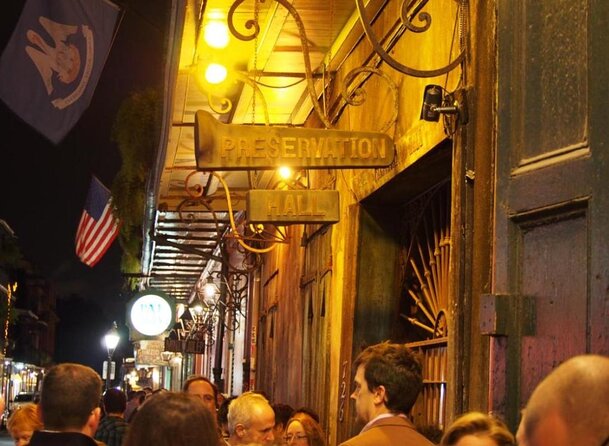
- Place de Armes and Preservation Jazz Hall, where the sound and the community impact feel like they have a physical address.
- A stroll down Bourbon Street, with talk about when the street was considered one of the most musical places in the world—and how names tied to that era filled the night with jazz.
- J&M Studios, described as the home of Rock N’ Roll, a reminder that New Orleans music isn’t only jazz and blues. It’s also about how styles traveled and transformed.
There’s also a strong “soundtrack” element here. You’ll hear music connected to the streets, including references like clarinet-driven songs associated with Basin Street Blues, and mentions of performers such as Louis Prima, Al Hirt, and Pete Fountain. Even if you only catch fragments, the point is clear: these streets have always been performance spaces.
A possible downside: Bourbon Street itself can be loud, busy, and unpredictable. The tour doesn’t try to make it quiet. It leans into the reality—so if you hate crowds or intense street noise, mentally budget for it.
More of the city's three centuries

Preservation Hall, Congo Square, and Louis Armstrong Park: Legacy in Real Places
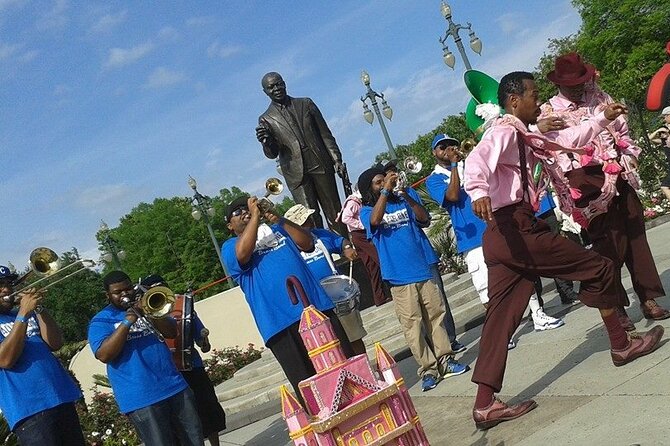
This tour doesn’t stop at entertainment. It slows down at places where music became identity.
Preservation Hall
A short stop at Preservation Hall gives you a chance to step into one of the most symbolic spaces for jazz in the city. You can visit the gift shop and take a photo while you’re there. Even with the brief timing, the stop helps you understand why Preservation Hall matters beyond the building’s reputation.
Congo Square
Next, you get to Congo Square. This is where the story reaches back to African cultural roots and community gatherings—an important piece of why New Orleans music developed the way it did. The stop is quick, but it’s a meaningful pivot from studios and stages to cultural origin.
Louis Armstrong Park and the Treme thread
At Louis Armstrong Park, you’ll see the Louis Armstrong statue. The guide also connects this stop to the Treme, described as America’s first African-American neighborhood, and how that community’s influence shows up in New Orleans music and heritage.
Why these stops are valuable for you: they turn the tour from “where famous people performed” into “where communities built the conditions for music to thrive.” That shift is what makes the experience feel like more than sightseeing.
You should know: the stops at Congo Square and Preservation Hall are short. If you’re hoping for extended time inside venues, this is a walking narrative, not a slow, sit-down ticketed museum day.
What Makes the Guide Matter: Keith, Bluetooth Audio, and Real-World Stories
The guide is a big part of why the ratings are so high. The tour is led by a local record person with industry experience—Keith is named as the guide in the tour description, with more than 20 years in record business experience. In the feedback you shared, you’ll also see another guide name, Vinny, tied to similarly strong storytelling and music-history depth.
What you’ll feel during the tour is a mix of:
- street-level storytelling (who played, where they played, and why),
- music listening on demand through Bluetooth,
- and enough personality to keep the facts from turning into a lecture.
Several key themes show up in the way guides talk: music and its performers are tied to social and political conditions too. One of the most satisfying parts is how the guide connects artistry to the city’s everyday life—so you’re learning why certain sounds grew, not just which songs were popular.
Also, you might get extra touches that go beyond the basics: photos along the route and a shared playlist. Those details aren’t listed as a formal inclusion, but they show up in the experience pattern described with this tour, and they help you continue the trip after you get back to your hotel.
A note on reliability
One entry in the info you provided describes a no-show incident and an apology from the owner, along with a refund being authorized. That’s not something you can plan for, but it does justify a simple habit: arrive on time, confirm you’re at the right start point, and be ready to contact the provider if something seems off.
Practical Stuff Before You Go: Walking Time, Comfort, and Adult Tone
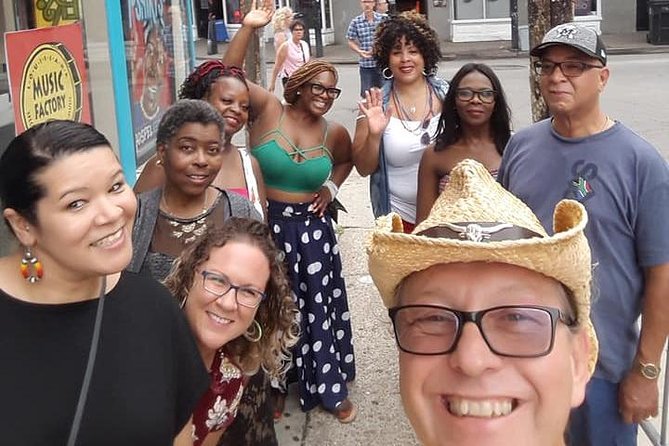
This is a walking tour, and that should guide your expectations. It’s also a music-focused tour with adult-leaning humor in the way it’s presented. In the info you shared, someone specifically flagged that it may not be appropriate for kids due to language and the amount of walking.
So here’s how I’d plan it:
- Wear comfortable shoes. You’ll walk through multiple neighborhood blocks.
- Give yourself flexibility. Time at each stop can vary because the guide is speaking and playing clips.
- Bring a question mindset. The guide is set up to answer questions about artists and context, and that can turn the tour into a conversation.
- Expect the weather to matter. The tour is stated as requiring good weather.
If you need a break, several people noted a coffee/restroom stop happening during the route. Some groups also mention a drink stop in the Jean Lafitte area. Those aren’t guaranteed in the description you gave, but they align with how this tour seems to keep people comfortable while still moving.
Finally, the tour ends at 712 Royal St, near St. Louis Cathedral, where you’ll often find musicians busking. That ending is convenient because it makes it easy to roll directly into your next night of live music without hunting for a start point.
Should You Book This New Orleans Music Heritage Tour?
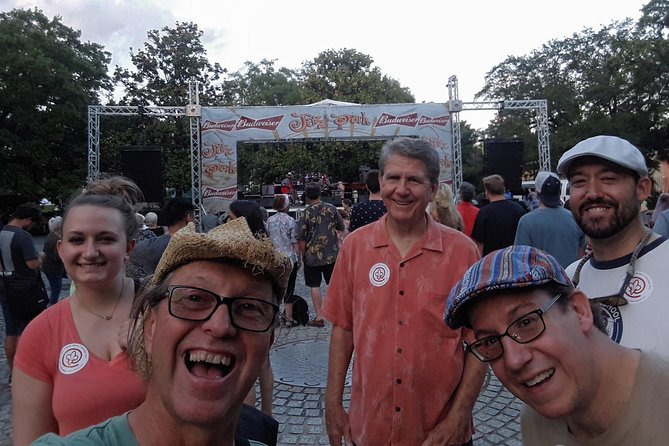
If your top priority is a music-first way to understand New Orleans—jazz, blues, and gospel threads tied to actual streets—this tour is worth it. The price is approachable for the amount of guided time, the guide’s record-industry background, and the on-the-spot Bluetooth audio that connects what you hear to what you’re standing in front of.
Book it if:
- you’re in New Orleans for a short time and want a smart orientation through key music neighborhoods,
- you like listening while walking, not only reading placards,
- you want concrete stops like Preservation Hall, Louis Armstrong Park, and Congo Square.
Skip it (or consider carefully) if:
- you don’t want to walk much,
- you’re bringing kids and want a more kid-friendly tone,
- loud areas like Bourbon Street would make you miserable.
FAQ
How long is the New Orleans Music Heritage Tour?
The tour runs about 2 hours.
What does it cost?
It costs $30.00 per person.
Where do I meet the guide, and where does the tour end?
You meet at Louisiana Music Factory, 421 Frenchmen St, New Orleans and the tour ends at 712 Royal St near St. Louis Cathedral.
What music will I hear during the tour?
You’ll hear clips connected to New Orleans blues, jazz, and gospel as you walk between stops.
Is there a maximum group size?
Yes. The tour has a maximum of 28 travelers.
What if the tour can’t run due to weather?
If it’s canceled due to poor weather, you’ll be offered a different date or a full refund.
More Tours in New Orleans


More Tour Reviews in New Orleans
More Jazz & Live Music
Just added to The New Orleans Traveler


Jazz & Live Music Tours, compared.
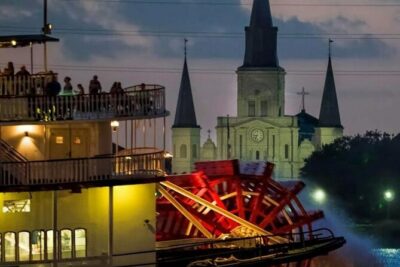 ★ 4.0Steamboat Natchez Jazz Cruise with Dinner OptionFrom $587,533 reviews
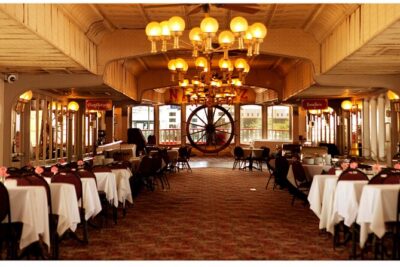 ★ 4.5Steamboat Natchez Jazz CruiseFrom $435,334 reviews
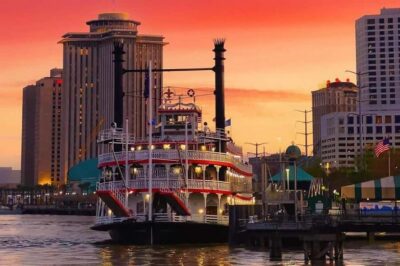 ★ 4.3Evening Steamboat Jazz Cruise + Optional DinnerFrom $584,548 reviews
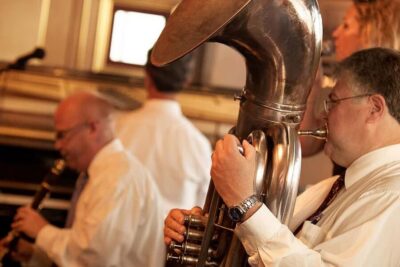 ★ 4.3Daytime Steamboat Jazz Cruise + Optional LunchFrom $434,164 reviews
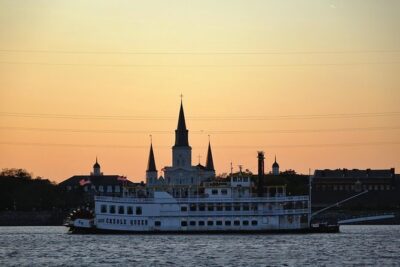 ★ 4.0Paddlewheeler Creole Queen Jazz Dinner Cruise in New OrleansFrom $1071,469 reviews
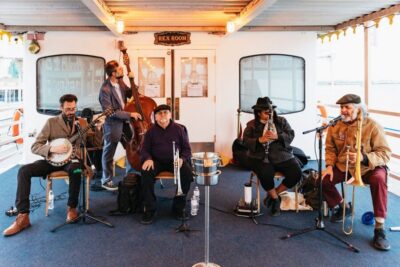 ★ 4.4Evening Jazz Boat Cruise with Optional DinnerFrom $601,024 reviews
 ★ 4.0Sunday Jazz Brunch Cruise in New OrleansFrom $43889 reviews
 ★ 4.5VIP Jazz Dinner Cruise with Private Tour and Open Bar OptionFrom $190838 reviews
Browse the lists this tour appears in