
Reviewed · PLANTATION TOURS
New Orleans: Laura Plantation Tour with Transportation
A plantation tour just outside New Orleans hits different. You get a guided walk through a 200-year-old sugar plantation and its gardens, plus a history-focused stop at the slave quarters. I especially like the way this tour pairs architecture and daily life (house, gardens, outbuildings) with the harder stories from the property. One watch-out: it is not suitable for wheelchair users, and you should expect comfortable-shoe walking over outdoor paths.
The best part for your day-planning is the simple logistics. You start with hotel pickup, take a scenic drive out (about 70 miles), and return after time to explore on your own. If you’re trying to see more than just one big-name plantation, this tour also offers quick peeks at other plantation grounds along the route, and even a gator sighting can pop up depending on the drive.
In This Review
- Key highlights to know before you go
- Hotel pickup, then a 70-mile ride to Laura Plantation
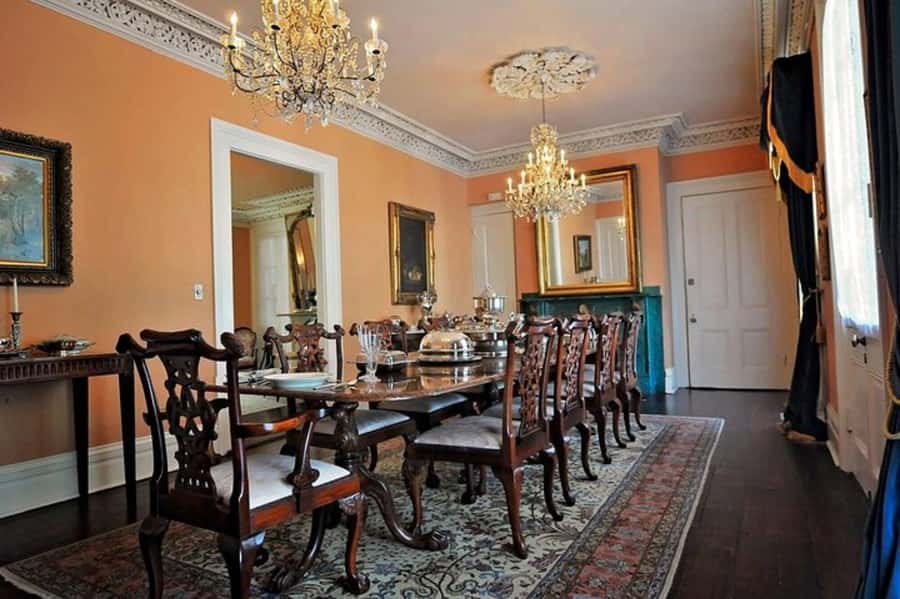
- The Laura Plantation House: where the Creole women story comes into focus
- Jardin Français, the potager, and Banana Land: gardens as a living record
- Twelve National Register buildings, including Maison de Reprise
- The 1840s slave quarters and the Br’er Rabbit connection
- A 2003 fire, then careful reconstruction: what changed and what stayed
- Time to explore the grounds, plus gift shop and photo breaks
- Price and value: is $81 a good deal?
- Who should book this Laura Plantation tour (and who might skip it)
- Should you book? My straight answer
- FAQ
- FAQ
- How long is the Laura Plantation tour with transportation?
- Do I get hotel pickup and drop-off in New Orleans?
- About how far is the ride from New Orleans to the plantation?
- What will I see during the guided portion?
- Is the tour guide available in English?
- Are meals included in the price?
- Is there time to look around after the guided tour?
- Does the trip include any other plantation views?
- Is the tour wheelchair accessible?
Key highlights to know before you go
- Hotel pickup and drop-off keeps the day stress-free in New Orleans
- Guided tour of the Laura Plantation House with stories of the Creole women who ran it
- Three gardens: Jardin Français, the kitchen potager, and Banana Land
- Twelve historic buildings on the National Register, including the 1829 Maison de Reprise
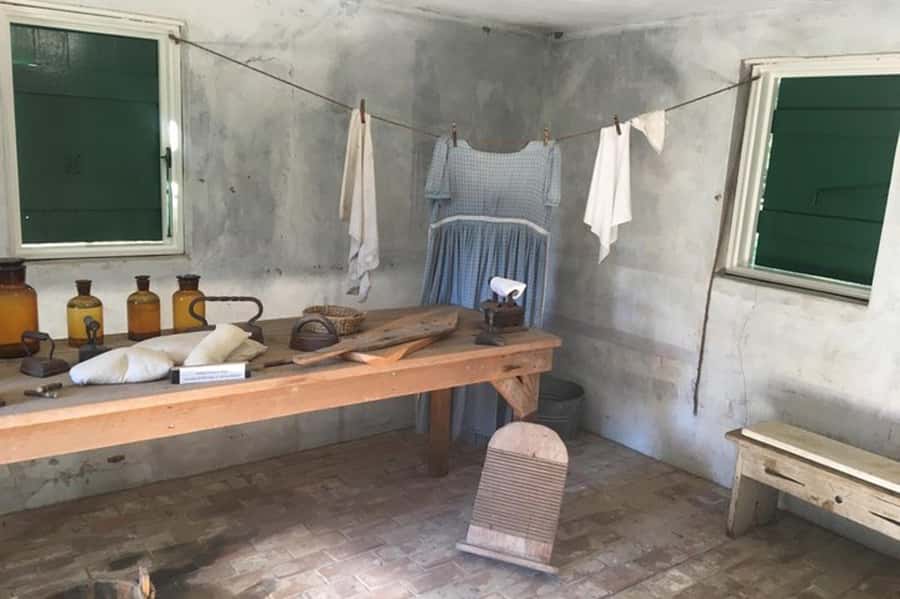
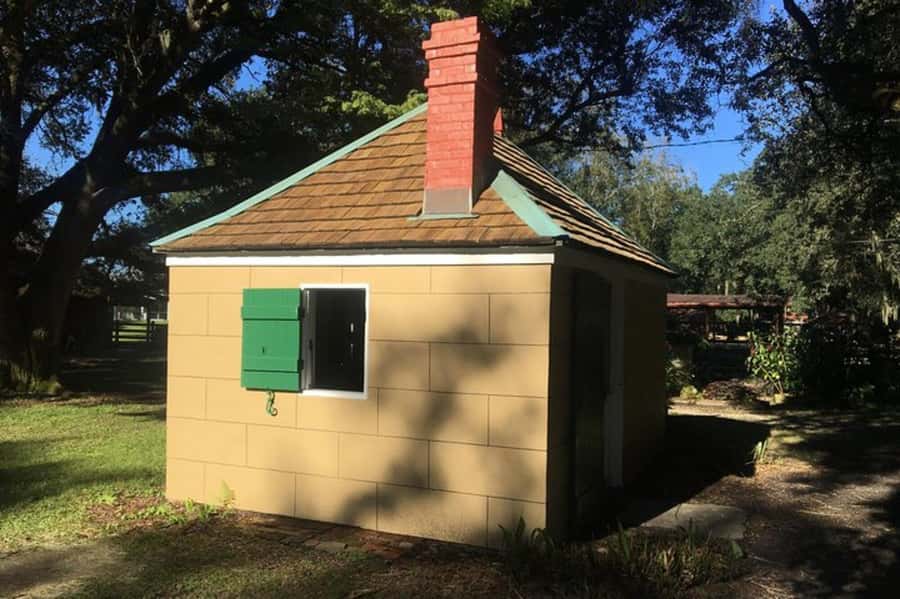
- 1840s slave quarters visit with guided context about enslaved lives and work
- A reconstruction story tied to a 2003 fire and the careful rebuilding of the homestead
Other River Road plantation visits
- Swamp Boat Ride and Oak Alley Plantation Tour from New Orleans★ 5.0 · 3,303 reviews
- Oak Alley Plantation Tour with Transportation from New Orleans★ 4.5 · 1,747 reviews
- Whitney Plantation Tour with Transportation from New Orleans★ 4.5 · 1,351 reviews
- Laura Creole Plantation Guided Tour★ 5.0 · 1,279 reviews
Hotel pickup, then a 70-mile ride to Laura Plantation
This is the kind of tour that saves you mental effort. You’re picked up at most New Orleans hotels, then you ride to the plantation just outside town. The trip is about 70 miles, so it feels like a real change of scenery, not a quick hop.
Two practical wins: first, you don’t have to worry about parking or rental car logistics. Second, the drive gives you time to get your bearings for what you’re about to see. One recent trip even included entertaining roadside sightings like a gator, and the route can include glimpses of other plantation properties. It’s not the main event, but it helps set the theme of the day.
If you like photo opportunities, plan to bring your camera ready for the drive. You’ll also get a brief look at the front of Oak Alley Plantation during the outing, just enough to keep it on your radar for later if you want to compare plantations.
The Laura Plantation House: where the Creole women story comes into focus
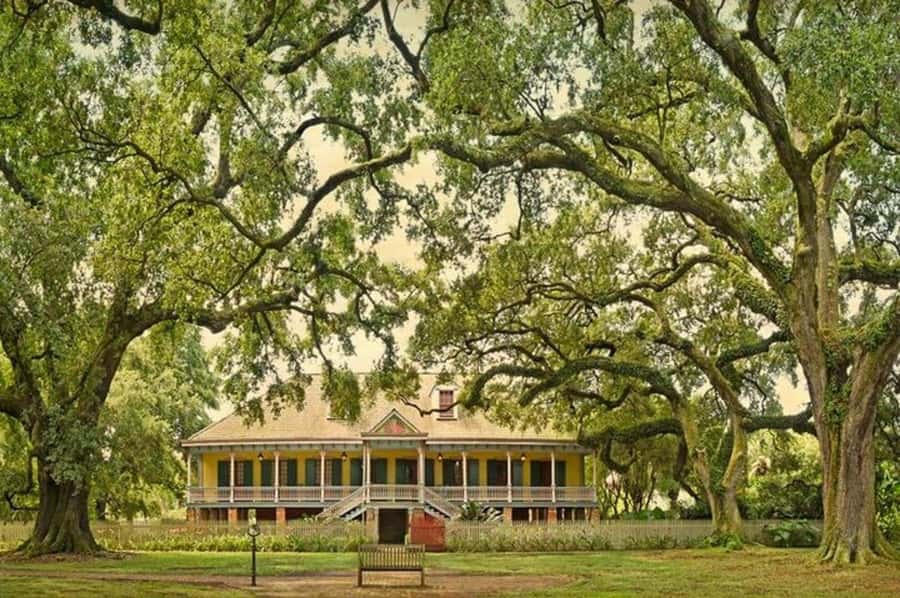
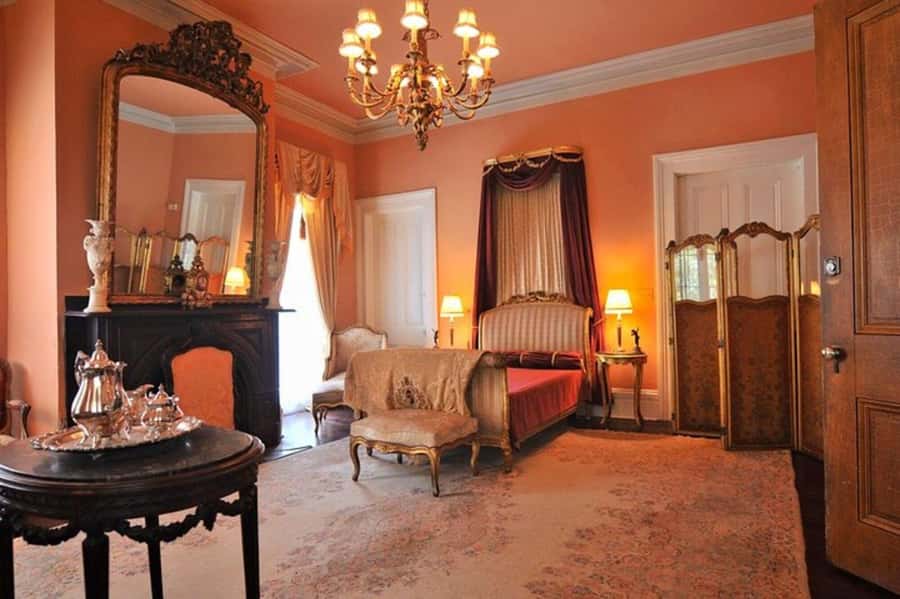
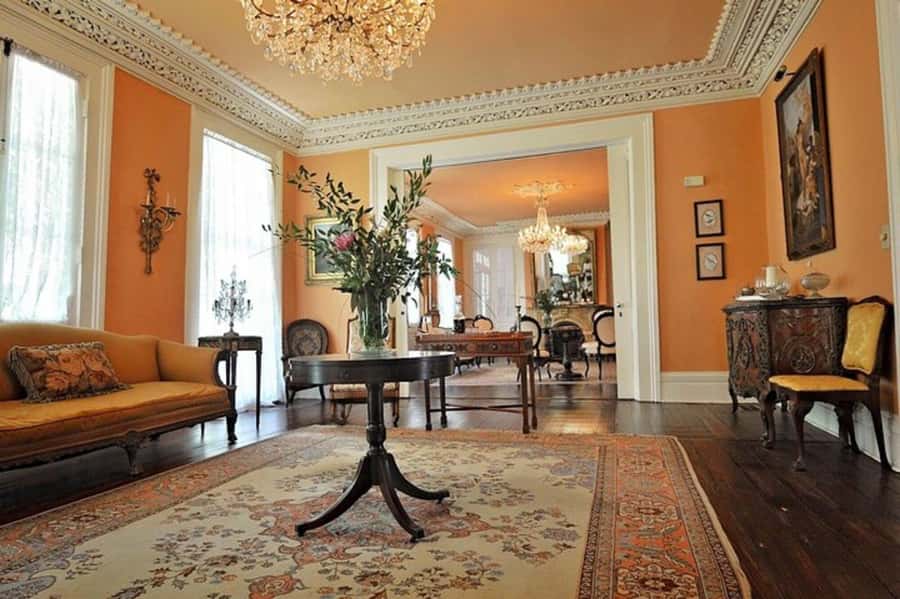
Once you arrive, the homestead sets the tone. You’re looking at a 200-year-old sugar plantation property where the big emphasis is not just who owned land, but who ran it. The guided tour centers on Creole women who managed the plantation for more than 60 years, and the guide’s job is to make that story feel understandable, specific, and human.
What I like about this part is that it doesn’t treat the house like a museum display. You’re guided through the Laura Plantation House and you hear how people lived and worked around it. Even if you’ve toured other plantation sites, this angle helps you spot the differences in ownership, management, and day-to-day realities.
Look out for the small moments the guide brings up while you’re inside—those details are what help you connect the rooms to the gardens, the outbuildings, and the labor stories you’ll hear later. If you want context you can remember, this is where it starts.
Jardin Français, the potager, and Banana Land: gardens as a living record
The gardens are not just pretty scenery. They’re a way to understand how the plantation functioned day to day. After the house tour, you’ll stroll through three gardens: Jardin Français, the kitchen potager, and Banana Land.
- Jardin Français gives you a formal, elegant garden feel. Expect it to read like the plantation’s idea of order and beauty.
- The kitchen potager is the practical one. This is where the garden becomes food supply logic—what got grown for a working household and how that ties back to the plantation economy.
- Banana Land adds a more playful, surprising element. It helps the grounds feel lived-in and gives you a break from the heavier sections of the tour.
Timing matters here. The day has a lot of story content, and the gardens are the reset button. They’re also one of the easiest places to take photos without feeling like you’re blocking other people. If you’re sensitive to heat, plan your photos with the sun in mind—outdoor walk time adds up.
Twelve National Register buildings, including Maison de Reprise
One of the strengths of this tour is that it doesn’t stop at the main house. You’ll explore 12 historic buildings that are part of the National Register story. That includes several types of structures you might not expect to see on a plantation visit.
You may move past items like animal barns and overseers’ cottages, and one standout is the 1829 Maison de Reprise. This building matters because it represents how the plantation organized activity around production and management, not only around the formal homestead.
Here’s how to get value out of this section: don’t try to treat it as a checklist of structures. Instead, let the guide help you connect what you see—barn functions, overseer housing, and production-related spaces—to the story of plantation life. Once you do that, the grounds stop feeling like random stops and start feeling like one working system.
If you prefer tours that keep the pace brisk, this is a good fit. If you prefer wandering with less structure, just know this portion is a guided walk through multiple buildings, so you’ll want to listen closely and take quick notes if you like remembering details.





The 1840s slave quarters and the Br’er Rabbit connection
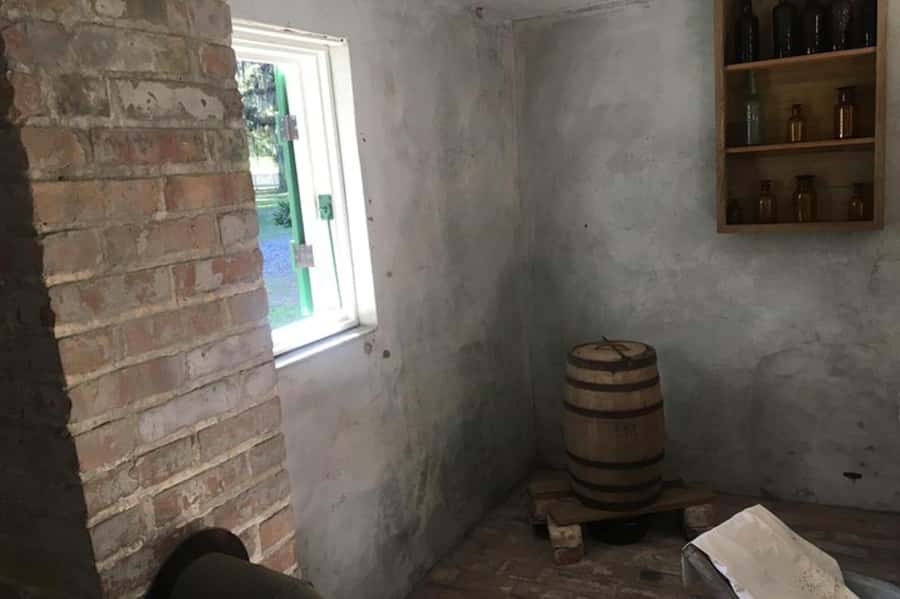
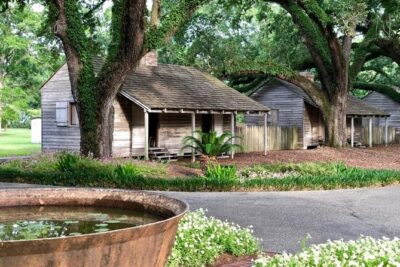
This is the emotional center of the experience. After the buildings and gardens, you’ll visit the 1840s slave quarters. You’ll hear poignant stories about the lives of enslaved people who lived and worked on the plantation.
I appreciate how this tour puts the quarters on your route. It matters because plantation history isn’t only the architecture and the landscaping. It’s the labor system, the daily routines, the families, and the constraints. The guide’s job here is to connect those points without turning suffering into a prop.
Then comes an unexpected cultural connection: the plantation’s role in the famous Br’er Rabbit stories. You’ll learn how those stories connect to this place. That contrast can be jarring in a good way. It reminds you that people made meaning, told stories, and carried culture even under brutal conditions.
If you’re choosing between plantation tours, this mix—hard history plus cultural reference—is a major reason the experience earns strong marks. It gives you both context and perspective.
A 2003 fire, then careful reconstruction: what changed and what stayed
No one wants a tour where every building feels identical and untouched. Here, you’ll also hear about a 2003 fire and how the homestead was almost destroyed. More importantly, you’ll learn about the reconstruction work and how materials from antique homes were used.
That story adds credibility to what you’re seeing. You’re not being asked to assume everything is original in every detail. Instead, you learn what survived, what was rebuilt, and why the restoration efforts mattered. For history-minded visitors, it turns the homestead into an evolving artifact rather than a static postcard.
Time to explore the grounds, plus gift shop and photo breaks
After the guided portion, you get time to explore the grounds on your own. This is helpful if you want to linger in the gardens a bit longer, take photos without moving with the group, or revisit a spot you found especially meaningful.
You’ll also have access to the gift shop. Keep your expectations realistic: it’s mainly for souvenirs and books, but it can also help you take the next step if you want to learn more after you get home.
One practical note: since meals are not included, you’ll want to manage your energy. If you’re prone to getting hungry mid-day, plan a snack approach before or after. The tour runs 390 minutes total, so you’re out there long enough to feel it.
Price and value: is $81 a good deal?
At $81 per person, this tour can feel like a steal or a stretch depending on what you’d pay otherwise. The value is strongest if you factor in hotel pickup and drop-off, guided entry, and the fact that you’re visiting multiple parts of the property—house, gardens, buildings, and slave quarters.
If you tried to do Laura Plantation solo, you’d still need transport outside New Orleans and you’d likely pay for entry. Here, transportation and guided structure are built into the price. Also, because the day includes time in several distinct locations on the grounds, the guided format reduces the chance you’ll wander around and miss interpretive context.
The one thing to budget for: meals and beverages are not included. That’s it. Everything else you need for the visit is part of the package.
Who should book this Laura Plantation tour (and who might skip it)
I’d point you toward this tour if you want:
- a guided plantation visit that focuses on Creole women and plantation management
- gardens that feel connected to how the plantation worked
- a visit to 1840s slave quarters as part of the main flow
- transportation that makes the day easy from New Orleans
I’d think twice if you need wheelchair-friendly access. The tour is not suitable for wheelchair users, and a plantation grounds walk typically involves outdoor surfaces and uneven terrain.
English speakers are covered too, since the live guide tour is in English. If you prefer a guided day with a firm structure and clear story progression, this tour matches that style.
Should you book? My straight answer
If you want one solid, well-rounded plantation day outside New Orleans—and you like the idea of learning the plantation story through the house, gardens, outbuildings, and the slave quarters—book it. The combination of multiple historic buildings, a guided interpretation of daily life, and the cultural link to Br’er Rabbit gives you more than a basic photo stop.
If you’re mainly looking for a quick look at famous scenery with minimal walking, this may be too much. But if you’re here to learn and you’re okay spending most of the day outdoors on the grounds, this is a strong value at $81.
FAQ
FAQ
How long is the Laura Plantation tour with transportation?
The total duration is 390 minutes.
Do I get hotel pickup and drop-off in New Orleans?
Yes. Pickup and drop-off are included at most New Orleans hotels.
About how far is the ride from New Orleans to the plantation?
The drive is about 70 miles.
What will I see during the guided portion?
You’ll tour the Laura Plantation House, visit three gardens, explore 12 historic buildings (including the 1829 Maison de Reprise), and visit the 1840s slave quarters.
Is the tour guide available in English?
Yes. The live guide tour is in English.
Are meals included in the price?
No. Meals and beverages are not included.
Is there time to look around after the guided tour?
Yes. After the guide, you’ll have time to explore the grounds at your leisure, take photos, and visit the gift shop.
Does the trip include any other plantation views?
You’ll get a glimpse of the front of Oak Alley Plantation during the trip. You may also see other plantation grounds along the route depending on the drive.
Is the tour wheelchair accessible?
No. It is not suitable for wheelchair users.
More Tours in New Orleans


More Tour Reviews in New Orleans
More River Road Plantations





Just added to The New Orleans Traveler



Plantation Tours, compared.
 ★ 5.0Swamp Boat Ride and Oak Alley Plantation Tour from New OrleansFrom $1313,303 reviews
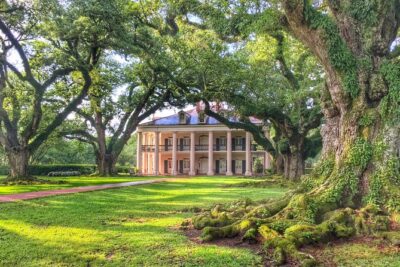 ★ 4.5Oak Alley Plantation Tour with Transportation from New OrleansFrom $891,747 reviews
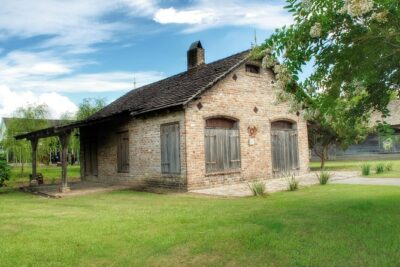 ★ 4.5Whitney Plantation Tour with Transportation from New OrleansFrom $891,351 reviews
 ★ 5.0Laura Creole Plantation Guided TourFrom $321,279 reviews
 ★ 4.7Bayou Swamp Tour and Oak Alley Plantation TourFrom $1251,147 reviews
 ★ 4.7Oak Alley Plantation & Airboat Swamp Combo TourFrom $160906 reviews
 ★ 4.5Oak Alley Plantation and Large Airboat Swamp Tour from New OrleansFrom $160712 reviews
 ★ 4.5Houmas House Estate and Gardens Guided TourFrom $38632 reviews
Browse the lists this tour appears in