
Reviewed · PLANTATION TOURS
New Orleans: Destrehan Plantation Tour
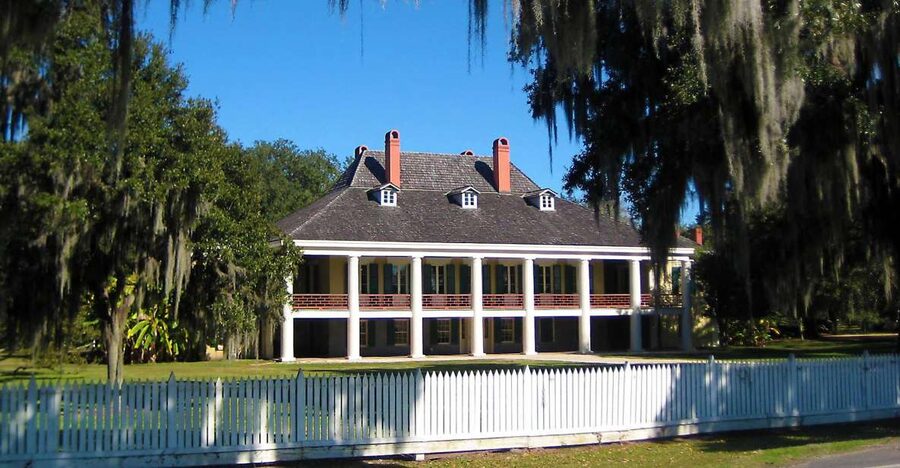
That Spanish moss always looks like movie props. This tour at Destrehan Plantation packs real learning into a short hop from downtown New Orleans. I especially loved seeing an original document signed by Thomas Jefferson and James Madison, and walking through buildings that explain how enslaved and free people lived day to day. One heads-up: the portion focused on the plantation home can feel shorter than you might want if you came for a long, slow house visit.
After you check in through the Plantation Store, you’ll head onto the grounds and meet a personal interpreter who connects the dots between Louisiana’s plantation economy and the people caught inside it. Expect a thoughtful mix of house time plus a strong set of outbuildings, including exhibits tied to the 1811 Slave Revolt. The downside is simple: video recording isn’t allowed, so if you like capturing everything on your phone, plan on taking notes and photos instead.
In This Review
- Key Things I’d Prioritize on This Destrehan Tour
- Old Plantation Grounds in a Quick Trip from New Orleans
- Getting There and Finding the Plantation Store Entrance
- The Tour Starts with Real Stories from Free and Enslaved Lives
- The Jefferson and Madison Original Document: Why It Matters
- House Tour Options and the German Coast Story
- Dependency Buildings That Make the Lesson Stick
- Folk-Life Demonstration and Photo Stops Under Spanish Moss
- Price and Logistics: Is $29 Good Value?
- Who This Tour Is Best For (and Who Might Want to Skip)
- Should You Book Destrehan Plantation Tour?
- FAQ
- How do I find the meeting point?
- How long is the Destrehan Plantation tour?
- Is hotel pickup included?
- What is included with the ticket price?
- Is the tour wheelchair accessible?
- Are there any restrictions on recording or mobility?
Key Things I’d Prioritize on This Destrehan Tour
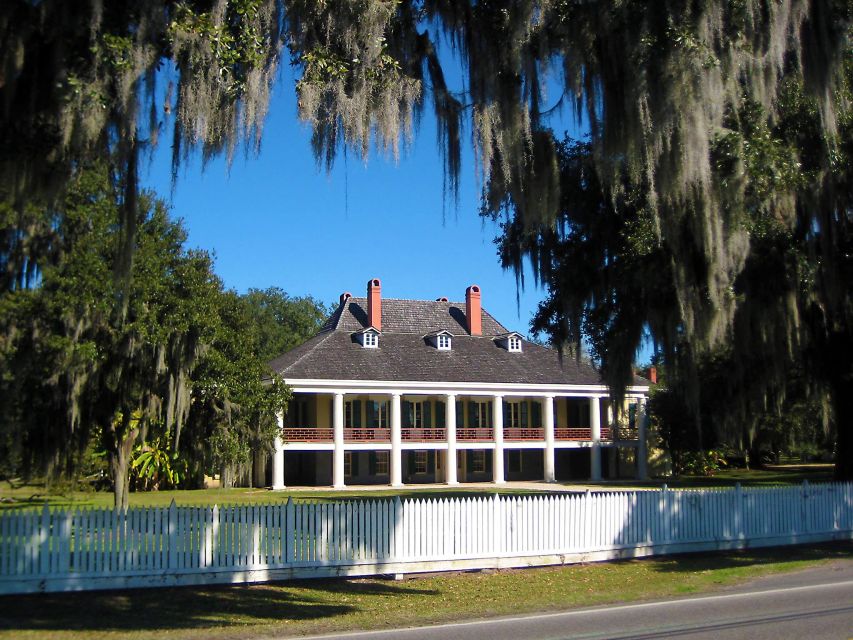
- Oldest plantation setting: You’re walking the kind of historic grounds that explain how plantations functioned.
- Jefferson and Madison original document: A rare chance to see a tangible piece of early U.S. authority tied to Louisiana’s story.
- Personal interpreter right on the grounds: You’re not stuck waiting for a group meeting point across the yard.
- Dependency buildings you can’t fake: Slave cabin, overseer’s cabin, outdoor kitchen, and more—each with a job and a story.
- German Coast context: The tour may include a guide who helps you understand the people who shaped the region.
- Spanish moss photo moments: You’ll have time for pictures under the live oaks with that classic Louisiana look.
Other River Road plantation visits
- Swamp Boat Ride and Oak Alley Plantation Tour from New Orleans★ 5.0 · 3,303 reviews
- Oak Alley Plantation Tour with Transportation from New Orleans★ 4.5 · 1,747 reviews
- Whitney Plantation Tour with Transportation from New Orleans★ 4.5 · 1,351 reviews
- Laura Creole Plantation Guided Tour★ 5.0 · 1,279 reviews
Old Plantation Grounds in a Quick Trip from New Orleans
Destrehan Plantation works because it’s practical. You’re not committing to a whole day of travel just to see something historic. The site sits about a 25-minute drive from Downtown New Orleans, and that matters if you’re juggling food, music, and other stops in the city.
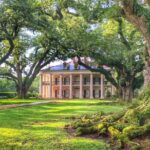
The other reason I like this tour is that it doesn’t treat the plantation like a scenic backdrop. Yes, the grounds look like postcards—live oaks, Spanish moss, shaded paths. But the tour is built to teach you how the American slave trade shaped Louisiana, and how the people in the system endured, resisted, worked, and organized their lives in very different roles.
You’ll also get a clear sense of scale. Plantation life wasn’t only the big house. It was the day-to-day machine around it—cabins, kitchens, washrooms, and the spaces where power and surveillance played out.
Getting There and Finding the Plantation Store Entrance
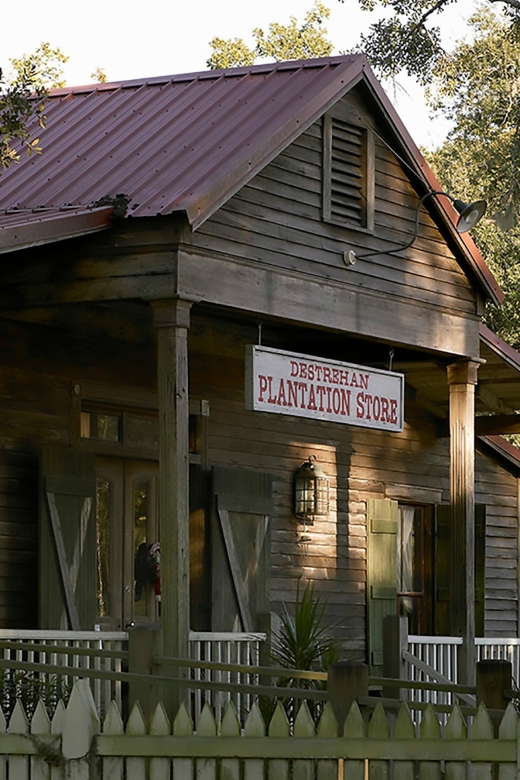
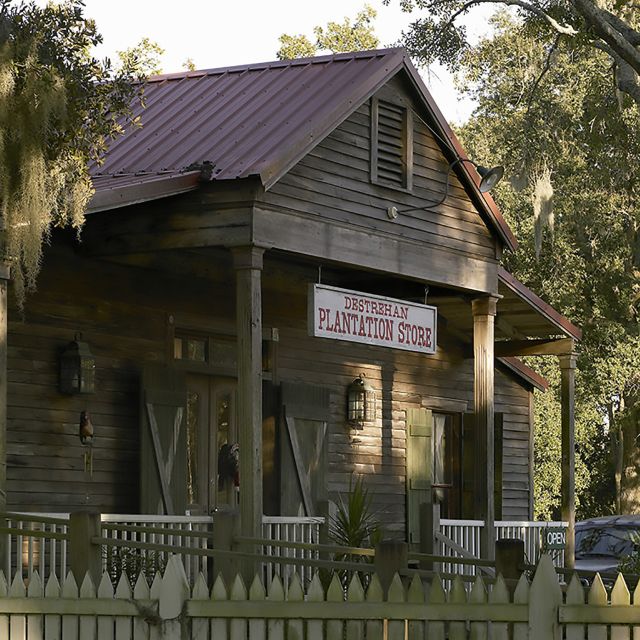
Plan for a smooth start, because the meeting point is straightforward. Look for the old Plantation Store when you arrive. You enter through the store and gift shop, then you exit through the back door onto the grounds.
That flow is more than just convenient. It gets you out of the retail area and into the setting quickly, where the interpreter can start building the story on the actual property. It also means you’re not stuck listening to an intro in a loud room while everyone shuffles.
You should know what’s not included so you’re not surprised. There’s no hotel pickup or drop-off, so you’ll need your own transport or a ride. Parking is free, which helps if you’re driving in.
And one more practical detail: there’s a skip-the-ticket-line setup, so you can spend more time learning and less time waiting around.
The Tour Starts with Real Stories from Free and Enslaved Lives
Here’s the part that turns the day from sightseeing into understanding: you meet a personal interpreter to begin the tour, and the focus is on the people who lived on the plantation.
The tour’s framing includes both free and enslaved people. That’s important, because it prevents the easy version of plantation storytelling where everything becomes one-note. You’ll hear stories that connect household life, labor, and the systems that controlled movement, work, and family life.
You’re also guided in a way that helps you notice what’s being taught. For example, the interpreter doesn’t just point at buildings. They explain why each structure exists—who used it, what jobs it supported, and what the layout tells you about power on the property.
The tone is serious, but it’s not cold. The guide stories are designed to keep you engaged rather than overwhelmed, and the overall structure moves from the big picture down to specific spaces you can see.
The Jefferson and Madison Original Document: Why It Matters
One of the biggest drawcards here is the chance to see an original document signed by Thomas Jefferson and James Madison.
You’re not just looking at famous names on paper. The tour explains the significance of the document in relation to Louisiana history, tying it to the political and legal world that surrounded the early growth of the region. If you’ve ever wondered how power worked in the background—who had authority, who made decisions, and how that authority affected real people—this is where the tour helps you connect the dots.
I like this stop because it gives you something solid to hold in your mind. It’s easier to understand complex history when you can anchor it to a physical artifact. And the way the guide connects it to the broader story makes it more than a brag-worthy photo moment.


House Tour Options and the German Coast Story
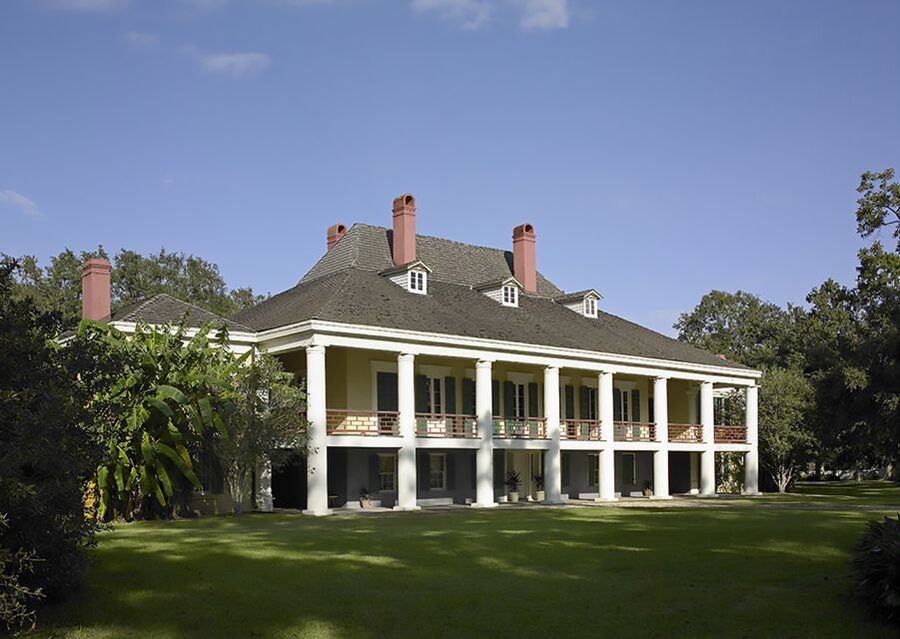
After you’ve been on the grounds, you’ll see the plantation house. This is also where you may get an option to have a guided tour connected to the Destrehan family line, including a descendant of Jean Destrehan.
If that option is available for your group, it can add a meaningful layer. Not because family connection automatically equals expertise, but because it often results in clearer storytelling—names, labels, and context that might otherwise be dry.
The tour also talks about the German Coast, the group of people and communities who shaped the region. This matters because Louisiana history isn’t only one thread. You’re seeing a place where different cultures, labor systems, and political forces were all in the mix. The interpreter helps you understand how that mix connects back to the plantation economy.
One more practical note: there are rules for how you move through the house area. For example, there’s a restriction that no scooters are allowed in the plantation home, so if you’re using mobility assistance, plan to ask what works best for you when you arrive.
Dependency Buildings That Make the Lesson Stick
If you only care about the house, you might leave feeling like you wanted more. But if you’re willing to let the outbuildings do the heavy lifting, this is where the tour really lands.
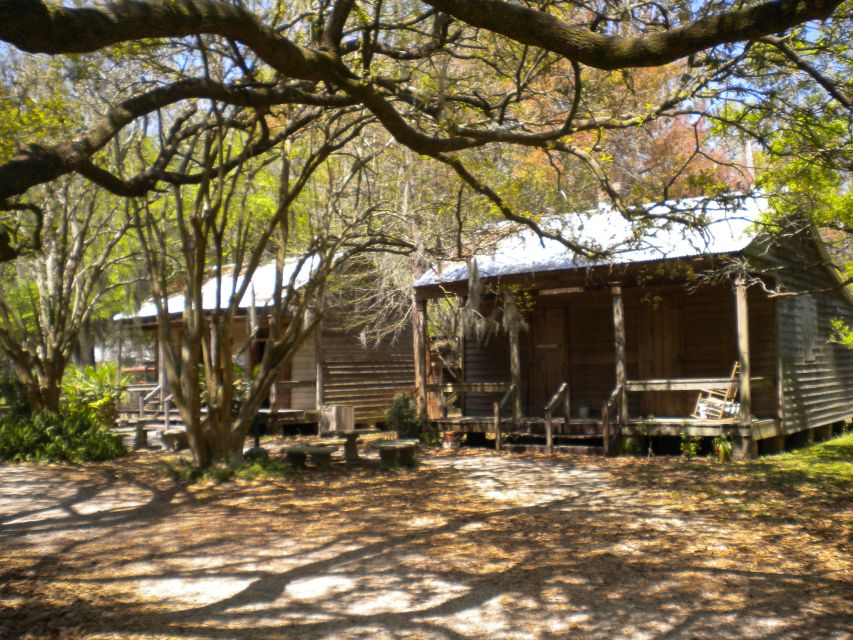
After the house tour, you’ll see multiple dependency buildings, each presented as a working part of the plantation system:
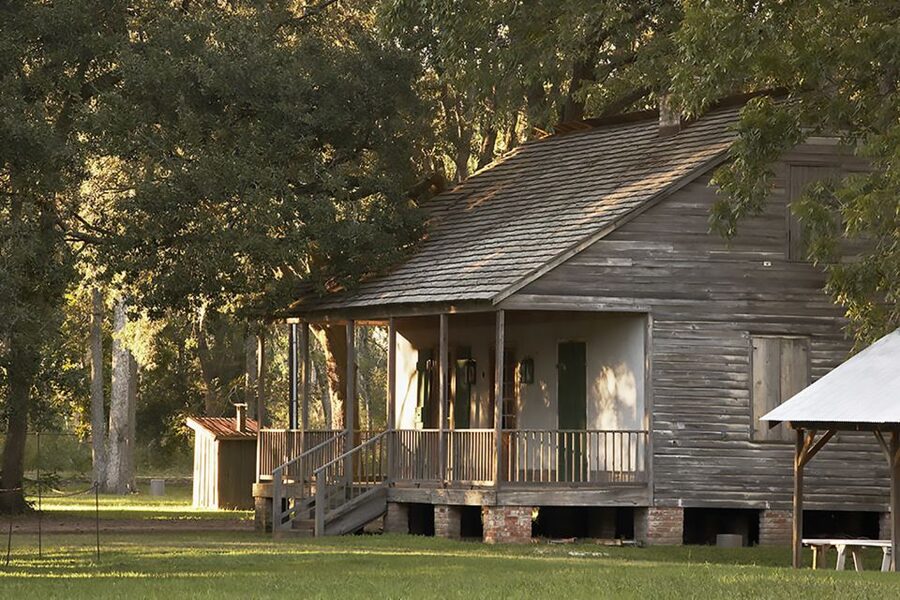
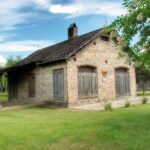
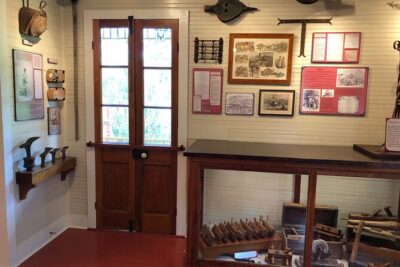
- Slave cabin with an enslavement registry: This is one of the most direct ways to confront how records turned human lives into controlled property. The enslavement registry exhibit is the kind of detail that makes history feel painfully specific.
- Overseer’s cabin with exhibits tied to the 1811 Slave Revolt and the Rost Home Colony: This stop broadens the story beyond everyday labor. It links the plantation to wider acts of resistance and the historical consequences that followed.
- Outdoor kitchen and washroom: These spaces help you imagine daily routines and the practical realities of working a plantation, where comfort and convenience were not evenly distributed.
- Trapper’s cabin: You get a sense of how the plantation relied on more than just farming—people worked different roles to keep the operation going.
- Legacy Room with original documents and artifacts from family members: This is where the tour brings together evidence—materials that help explain how the Destrehan family remembered themselves and how their documents survived.
What I like is how the tour uses these buildings to show function. You can see what’s there, and you can understand why it mattered. That’s the difference between hearing history and actually learning it.
Folk-Life Demonstration and Photo Stops Under Spanish Moss
After the house and dependency building circuit, you’ll see a folk-life demonstration. These moments can be hit or miss on some tours, but here the purpose is educational, helping you connect the built environment to everyday skills and cultural practices.
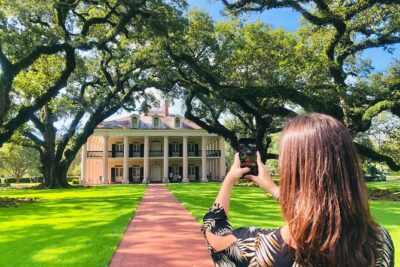
Then there’s the scenery you came for, too. Plan on photo time under the live oak trees covered in Spanish moss. It’s classic Louisiana imagery, but it’s also a nice break from the heavier exhibits—just don’t treat it as a time-out from thinking. Let your camera capture the place while your brain keeps working through the story.
If you’re a “take a lot of photos” person, note the rules: video recording is not allowed. Photos are still useful, and you’ll probably be glad you saved your phone for snapshots rather than recording everything.
Price and Logistics: Is $29 Good Value?
At $29 per person for a one-day visit, this tour is priced like a solid local learning experience rather than an expensive, scripted bus attraction. And the value improves once you count what’s included: entrance fees and free parking are part of the deal.
You should compare that with what you’d otherwise pay for multiple entries or a longer tour elsewhere. Here, the ticket connects you to the house, the dependency buildings, and the interpreter-led storytelling. You’re not just wandering—your time has structure.
The only clear logistics gap is that there’s no hotel pickup/drop-off, so transport is on you. If you’re staying outside easy driving range, factor that cost and hassle into the decision. Also, the program depends on a starting time, so check what works for your day plan around New Orleans.
In terms of timing, keep your schedule flexible enough for parking, checking in through the store, and moving at the group pace between buildings. Comfortable shoes are a must; the ground isn’t designed for flip-flops and regret.
Who This Tour Is Best For (and Who Might Want to Skip)
This is a strong choice if you want history you can see and touch—literal spaces, not just museum panels. It’s also a good fit if you care about how the slave trade is explained with specific examples and original artifacts, including the Jefferson and Madison document.
You’ll likely enjoy it if you like guided storytelling and want help understanding how plantation systems worked: the house, the people, the records, the roles, and the revolt-related exhibits.
If your dream visit is mostly about grand rooms, long house time, and slow strolling, you might feel slightly rushed on the house portion. In that case, lean into the dependency buildings and let that be the payoff.
Also, if you rely on video recording to remember trips, you’ll need an alternate plan. This tour is photo-friendly, but recording is off limits.
Should You Book Destrehan Plantation Tour?
I’d book it if you want a close-to-New-Orleans plantation visit that’s structured, guided, and grounded in tangible historical material. The combination of the interpreter-led tour, the original Jefferson and Madison document, and the outbuildings with exhibits is exactly the kind of experience that makes your New Orleans trip feel more complete.
Skip it only if you dislike learning-heavy tours, hate any restrictions on video, or you’re mainly after a long, leisurely house walkthrough. For most people who want both the beauty of Louisiana trees and the seriousness of what happened here, this is a high-value day.
FAQ
How do I find the meeting point?
Look for the old Plantation Store when you arrive. You enter through the store and gift shop.
How long is the Destrehan Plantation tour?
It’s listed as a 1-day experience.
Is hotel pickup included?
No. Hotel pickup and drop-off are not included.
What is included with the ticket price?
Entrance fees are included, and parking is free.
Is the tour wheelchair accessible?
Yes, the tour is wheelchair accessible.
Are there any restrictions on recording or mobility?
Video recording is not allowed. Also, no scooters are allowed in the plantation home.
More Tours in New Orleans

More Tour Reviews in New Orleans
More River Road Plantations


Just added to The New Orleans Traveler


Plantation Tours, compared.
 ★ 5.0Swamp Boat Ride and Oak Alley Plantation Tour from New OrleansFrom $1313,303 reviews
 ★ 4.5Oak Alley Plantation Tour with Transportation from New OrleansFrom $891,747 reviews
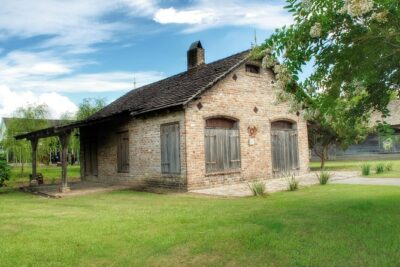 ★ 4.5Whitney Plantation Tour with Transportation from New OrleansFrom $891,351 reviews
 ★ 5.0Laura Creole Plantation Guided TourFrom $321,279 reviews
 ★ 4.7Bayou Swamp Tour and Oak Alley Plantation TourFrom $1251,147 reviews
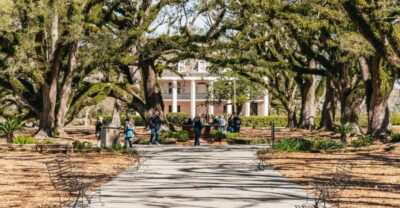 ★ 4.7Oak Alley Plantation & Airboat Swamp Combo TourFrom $160906 reviews
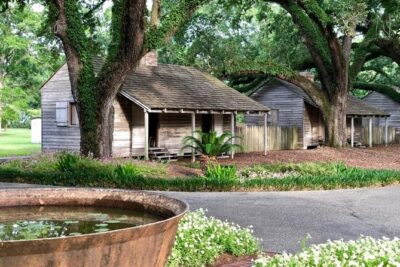 ★ 4.5Oak Alley Plantation and Large Airboat Swamp Tour from New OrleansFrom $160712 reviews
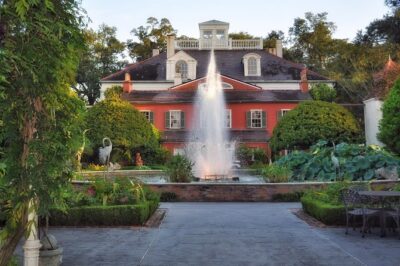 ★ 4.5Houmas House Estate and Gardens Guided TourFrom $38632 reviews
Browse the lists this tour appears in