
Reviewed · PLANTATION TOURS
N’awlins Luxury: Laura Plantation Tour w/Transportation
Creole Louisiana gets real fast at Laura Plantation. The star here is the 75-minute guided tour that follows four generations of a Creole family, covering both free and enslaved life, plus the main house, gardens, and slave quarters. I also like that you get hotel pickup and drop-off, which means you’re not wrangling transport after a long day in New Orleans.
If you’re short on time or sensitive to walking, the biggest thing to plan for is that this is a moderate-walk experience and it runs in all weather. The good news: the pacing feels manageable because you get guided context while you move through the grounds.
In This Review
- Quick hits (what makes this tour worth it)
- Laura Plantation’s Creole story: why this one feels different
- Getting there from New Orleans with pickup: less hassle, better day flow
- Inside the main house and plantation life: what you’ll cover in the guided portion
- The gardens and grounds: 12 historic buildings you’ll actually notice
- Slave cabins and the Br’er Rabbit connection: how folklore fits the place
- Museum exhibit and gift shop: where the day turns from tour to understanding
- Price and value from New Orleans: is $80 a smart spend?
- Who should book this Laura Plantation tour (and who might want a different option)
- Should you book N’awlins Luxury: Laura Plantation Tour with Transportation?
- FAQ
- How long is the Laura Plantation tour with transportation?
- Is hotel pickup and drop-off included?
- What’s included with the tour ticket?
- Is food included?
- Is there a mobile ticket?
- How big is the group?
- Does it run in bad weather?
- When will I get confirmation after booking?
- What is the cancellation window?
Quick hits (what makes this tour worth it)
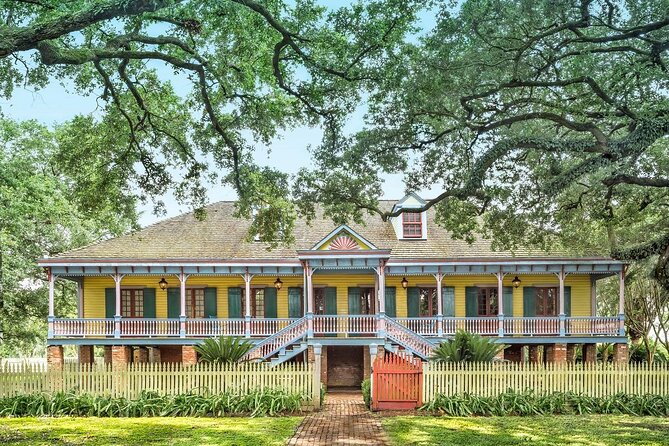
- 75-minute guided tour focused on Creole family life—free and enslaved—across generations
- 12 National Historic Register buildings spread across three gardens and the wider grounds
- Hotel pickup and drop-off keeps the day simple in New Orleans
- Slave cabin stories tied to Compair Lapin / Br’er Rabbit, first recorded there
- A museum exhibit you should not skip, covering daily life on the sugar plantation
- Small group size (max 26) makes it feel less crowded
Other River Road plantation visits
- Swamp Boat Ride and Oak Alley Plantation Tour from New Orleans★ 5.0 · 3,303 reviews
- Oak Alley Plantation Tour with Transportation from New Orleans★ 4.5 · 1,747 reviews
- Whitney Plantation Tour with Transportation from New Orleans★ 4.5 · 1,351 reviews
- Laura Creole Plantation Guided Tour★ 5.0 · 1,279 reviews
Laura Plantation’s Creole story: why this one feels different
Laura Plantation is a rare setup in Plantation Country because it leans into a Creole family narrative instead of just showing off plantation grandeur. You’re looking at a site that functioned as a home and a sugar plantation office, and the restored main house dates to 1805. That timeline matters because it anchors what you’re seeing: buildings, gardens, and working spaces that connect to how the plantation operated day to day.
The tour also pays attention to a reality many plantation stops tiptoe around. Here, you hear the stories of past residents—including both free people and enslaved people—who lived on the property across four generations. That framing changes the feel of the visit. You don’t just walk past rooms and landscaping; you’re given context for why specific spaces existed and how people would have used them.
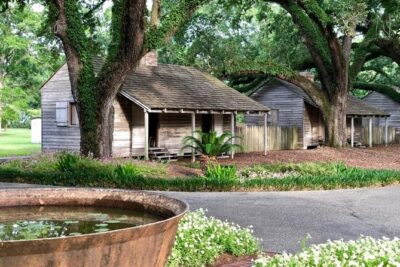
And you get a bit of literary folklore in the mix too. The original 1840s slave cabins are part of the experience, and this is where the legendary Compair Lapin stories (known in English as Br’er Rabbit) were first recorded. It’s an unexpected angle, but it helps make the site memorable because it connects culture, storytelling, and place.
Getting there from New Orleans with pickup: less hassle, better day flow
This tour is set up for real-life New Orleans logistics. You get a driver/guide plus hotel pickup and drop-off, so you’re not planning your own route out to Plantation Country. The full experience runs about 5 hours 30 minutes, and the Laura time is about 3 hours. That split is important: it gives you enough time at the plantation without turning the day into a long bus ride plus a quick photo stop.
Group size is another quiet win. The maximum is 26 travelers, and that tends to keep things from feeling packed at the main house and grounds. Smaller groups also help with questions—especially when the guide is walking you through both the comfortable and heartbreaking parts of the property’s past.
One practical note: the tour operates in all weather conditions. So if it’s raining or hot, you’ll still be moving outdoors between buildings and gardens. Plan on wearing clothing that can handle that, and bring a light layer even in warmer months.
Inside the main house and plantation life: what you’ll cover in the guided portion
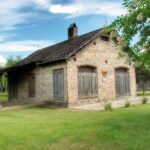
The core of the experience is a guided route through the property’s key spaces. The tour includes the Maison Principale (Big House), the French Jardin, the Plantation Kitchen Garden, the Banana Grove, and the original 1840s slave cabins. Even if you’ve visited other plantation sites before, this mix helps you compare how different areas were used.
Here’s what makes the guided portion valuable: you don’t just see buildings—you get tied-in explanations while you’re standing in place. That’s when the site’s layout makes more sense. The big house and kitchen garden point you toward how food, labor, and administration connected. The slave quarters shift the story to the people who were enslaved there, so the plantation reads as a working system rather than a backdrop for photos.
The tour is built for a 75-minute guided experience, which is a nice length: long enough for story and orientation, not so long that you lose interest or get exhausted. Also, you’ll likely notice that the guide’s job is to connect what you’re seeing to how the plantation functioned for residents across generations.
The gardens and grounds: 12 historic buildings you’ll actually notice
The gardens are not just pretty scenery here. You’ll walk through three gardens and grounds that feature 12 National Historic Register buildings. That number sounds abstract until you’re moving between spaces and realizing the property includes multiple distinct “rooms” of landscape—each with its own purpose and story.
The French Jardin and kitchen garden are especially important because gardens are part of the plantation’s daily routine. When you’re guided through these areas, you start noticing how plantings support food production and how garden spaces fit into the larger plantation work cycle. The Banana Grove adds another layer of crop-and-labor context, which helps you understand why certain areas were cultivated the way they were.
A practical consideration: gardens mean more walking than you might expect, even if the tour is well paced. Wear shoes you trust. You’ll be on uneven ground and moving between outdoor spaces and restored structures.
Also, keep your expectations realistic: a garden-focused plantation stop is not the same as a pure museum day. You’ll learn by moving. That’s the point, but it’s worth knowing so you don’t plan this like a minimal-effort stop.
More New Orleans tours and experiences to compare





Slave cabins and the Br’er Rabbit connection: how folklore fits the place
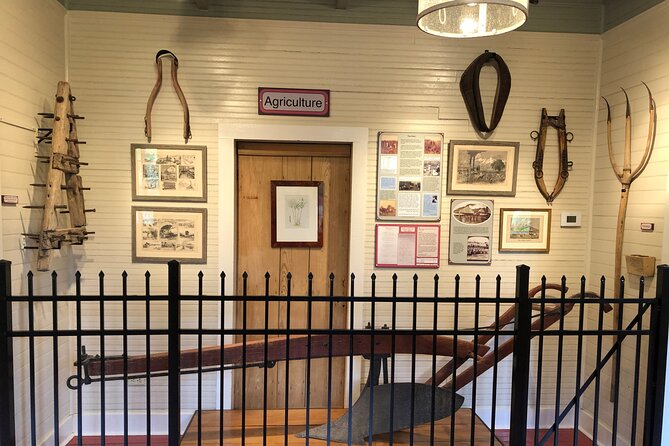
One of the most memorable parts of this tour is how it treats the slave cabins. The original 1840s slave cabins are included, and the connection to Compair Lapin stories (Br’er Rabbit) gives those cabins more than a visual role—it turns them into a storytelling anchor.
This is one of those details that can change the whole feel of the visit. If you’ve ever walked through history sites that feel locked behind facts, folklore can be a bridge. It doesn’t replace the hard realities of enslavement, but it adds human texture: how people carried culture, memory, and meaning in the middle of a brutal system.
The guide’s interpretation matters here. You’ll hear the stories connected to the cabins as part of the broader narrative about generations living at Laura, including both free and enslaved residents. That’s what makes the Br’er Rabbit connection more than a trivia stop—it becomes part of how you understand life on the plantation.
Museum exhibit and gift shop: where the day turns from tour to understanding
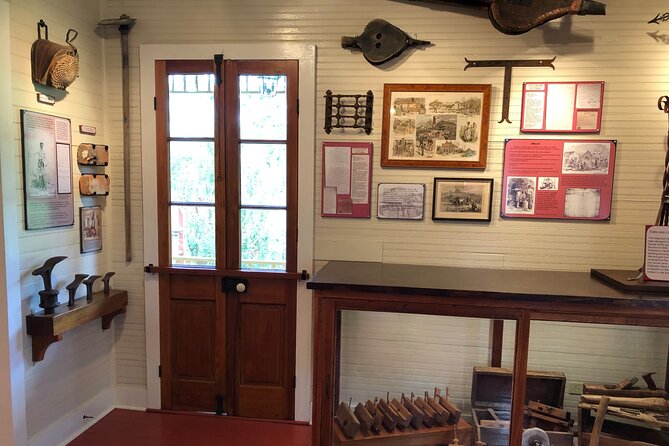
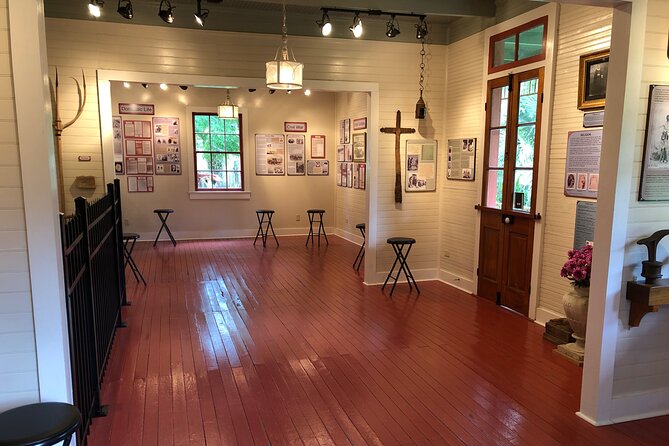
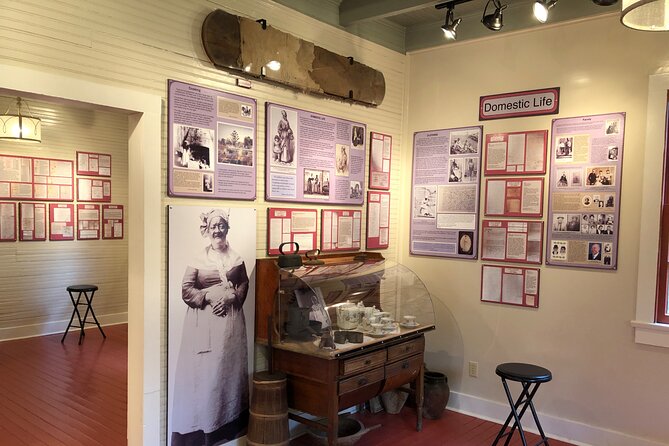
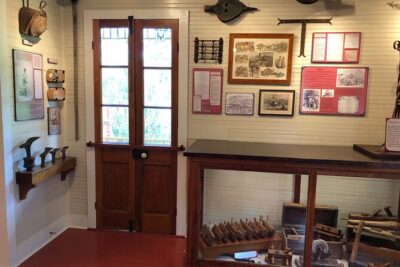
The plantation tour includes a new museum exhibit that focuses on daily life for both free and enslaved people on the sugar plantation. This is the section I’d treat like a must-do, not an optional add-on. One of the best pieces of advice from people who’ve done this is simple: spend time in the museum.
Why it matters: the guided portion is about moving through key spaces and getting the big connections. The museum exhibit gives you a chance to slow down, reframe what you saw outdoors, and connect stories to daily routines you might otherwise miss.
Then there’s the gift shop, which is worth a browse if you like to take home something local. You can look through local arts, crafts, and souvenirs in the historic Laura Plantation gift shop. It’s not just commercial; it’s tied to the site itself, so you’re remembering what you learned as you pick out a keepsake.
Price and value from New Orleans: is $80 a smart spend?
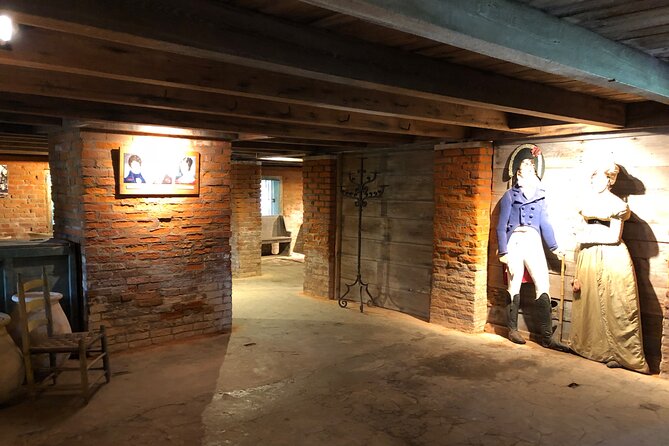
At $80 per person, this tour lands in the category of “worth it if you’ll actually use the help.” You’re paying for three things that matter in New Orleans: transportation (hotel pickup/drop-off), a guided walkthrough, and admission included with the plantation time.
Food isn’t included, so this isn’t a one-price “meal and tickets” deal. You’ll want to plan around that—either eat before you go or schedule your meal after. Even if you don’t bring snacks, budget time so you’re not stuck hungry while you’re trying to take in the museum and gardens.
The value gets better if you appreciate structure. With a guided tour, you’re less likely to miss how spaces relate to each other—kitchen garden to production, main house to administration, cabins to the human impact of the plantation system. And with a max group size of 26, it doesn’t feel like a factory tour.
Who should book this Laura Plantation tour (and who might want a different option)
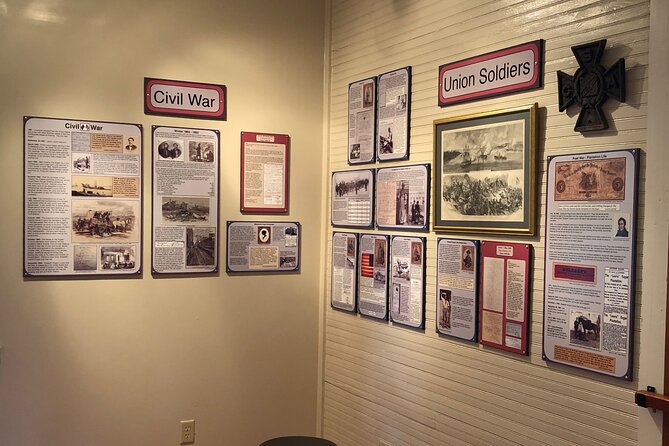
I think this is a strong pick if you want Creole culture plus a guided, story-driven plantation visit. It’s especially appealing if you like learning through place: standing in the gardens, main house rooms, and cabin spaces while the guide ties together the narrative across generations.
It also works well if you’re trying to find a balance between different plantation experiences. People often compare Laura to other big-name plantation stops because it feels less focused on pure opulence and more focused on the Creole family story line. If you want something that’s grounded in people’s lives, Laura tends to fit that goal.
The main “not for everyone” factor is walking and weather. If you hate outdoor walking in heat or rain, you may find the gardens and grounds tiring. The tour is described as involving a moderate amount of walking, so it’s manageable, just not zero-effort.
If you’re traveling with limited patience for guided history, you might still enjoy the setting and museum, but you’d need to be okay with story time as part of the experience.
Should you book N’awlins Luxury: Laura Plantation Tour with Transportation?
Yes, I’d book it if you want a guided Creole plantation experience with transport handled. The combination of hotel pickup/drop-off, a 75-minute guided tour through the main house and multiple gardens, and access to the museum exhibit makes it a practical use of a half-day outside New Orleans.
I’d skip it or look for an alternative if you’re uncomfortable with moderate walking or you’re planning a day that doesn’t leave room for indoor museum time after you’ve been outdoors in the gardens. You’ll want to dress for the weather and give yourself time to absorb the museum exhibit, because that’s where the visit can really click.
FAQ
How long is the Laura Plantation tour with transportation?
The experience runs about 5 hours 30 minutes in total, with approximately 3 hours at Laura Plantation.
Is hotel pickup and drop-off included?
Yes. The tour includes hotel pickup and drop-off.
What’s included with the tour ticket?
Admission is included, along with the guided tour through the main house, gardens, and slave quarters.
Is food included?
No. Food and drinks are not included.
Is there a mobile ticket?
Yes. A mobile ticket is provided.
How big is the group?
The tour has a maximum group size of 26 travelers.
Does it run in bad weather?
It operates in all weather conditions, so dress appropriately.
When will I get confirmation after booking?
You’ll receive confirmation at the time of booking.
What is the cancellation window?
Free cancellation is available up to 24 hours in advance for a full refund. If you cancel less than 24 hours before the start time, the amount paid isn’t refunded.
More Tours in New Orleans




More Tour Reviews in New Orleans

More River Road Plantations




Just added to The New Orleans Traveler



Plantation Tours, compared.
 ★ 5.0Swamp Boat Ride and Oak Alley Plantation Tour from New OrleansFrom $1313,303 reviews
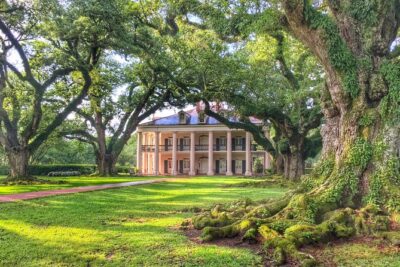 ★ 4.5Oak Alley Plantation Tour with Transportation from New OrleansFrom $891,747 reviews
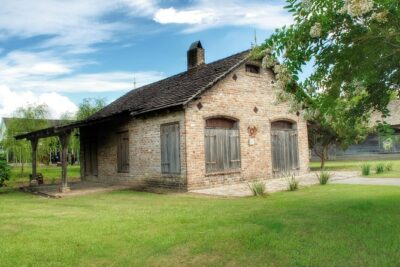 ★ 4.5Whitney Plantation Tour with Transportation from New OrleansFrom $891,351 reviews
 ★ 5.0Laura Creole Plantation Guided TourFrom $321,279 reviews
 ★ 4.7Bayou Swamp Tour and Oak Alley Plantation TourFrom $1251,147 reviews
 ★ 4.7Oak Alley Plantation & Airboat Swamp Combo TourFrom $160906 reviews
 ★ 4.5Oak Alley Plantation and Large Airboat Swamp Tour from New OrleansFrom $160712 reviews
 ★ 4.5Houmas House Estate and Gardens Guided TourFrom $38632 reviews
Browse the lists this tour appears in