
Reviewed · PLANTATION TOURS
N’awlins Luxury: Laura, Oak Alley or Whitney Plantation Tour w/Transportation
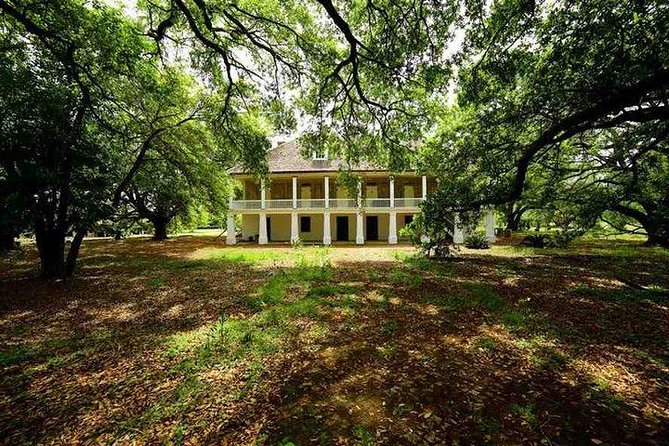
Sugar plantations are close to New Orleans. This half-day trip runs along Plantation Country with hotel pickup and drop-off, then lets you tour one of three major sites: Laura Plantation, Oak Alley, or Whitney Plantation. You’ll walk through historic buildings and see memorial-focused exhibits tied to the sugar economy and the people forced to work it.
I especially like two things: the ride is handled end-to-end, and you’re not stuck figuring out buses, schedules, or parking. I also like that admission is included, so you can focus on the site itself once you arrive, with time set aside for the grounds and exhibits.
One watch-out: the on-site experience may be self-guided with audio, even when the overall day includes a driver/guide for transportation. If you want a full live guide inside every building, confirm what your day includes before you go, and expect a moderate amount of walking.
In This Review
- Key details worth clocking before you go
- New Orleans to Plantation Country Without the Stress
- Price and value: is $80 a good deal?
- Laura Plantation: Creole Heritage, Slave Cabins, and Br’er Rabbit Roots
- Laura’s possible drawback
- Oak Alley Antebellum: Slave Life Exhibits and the Sugar Cane Theater
- Oak Alley’s possible drawback
- Whitney Plantation: Memorial Materials and First-Person Slave Narratives
- Whitney’s possible drawback
- What the Half-Day Schedule Feels Like (Pickup, Walking, and On-Site Pace)
- The three-stop structure: how it adds up
- Should You Book N’awlins Luxury for This Plantation Day?
- FAQ
- How long is the tour?
- Is hotel pickup and drop-off included?
- Which plantation will I visit?
- How long will I spend at each plantation?
- Is food or drinks included?
- Is there a lot of walking?
- Is the tour guided?
- Does the tour operate in bad weather?
- Is Whitney Plantation open every day?
- What happens if I cancel?
Key details worth clocking before you go
- Hotel pickup and drop-off so you can spend your time on the plantations, not the logistics.
- Laura, Oak Alley, or Whitney depending on the day, so your schedule matters.
- Admission tickets included at each stop, cutting down on extra expenses once you’re there.
- Moderate walking across historic grounds—wear shoes you can trust.
- Audio/self-guided on-site interpretation may be part of the experience, not always a full live guide.
- Whitney closes on Tuesdays, which can change which plantation you get.
Other River Road plantation visits
- Swamp Boat Ride and Oak Alley Plantation Tour from New Orleans★ 5.0 · 3,303 reviews
- Oak Alley Plantation Tour with Transportation from New Orleans★ 4.5 · 1,747 reviews
- Whitney Plantation Tour with Transportation from New Orleans★ 4.5 · 1,351 reviews
- Laura Creole Plantation Guided Tour★ 5.0 · 1,279 reviews
New Orleans to Plantation Country Without the Stress
The best part of this tour is how clean it feels from the start. You’re picked up from your New Orleans hotel and dropped back after the half-day, with a driver/guide handling the long drive along the Mississippi River corridor. That matters because plantation trips can turn into a timing puzzle if you’re driving yourself.
The pace is also built for people who want a meaningful hit of history without losing the whole day. Expect roughly 5 to 6 hours, and a small group size (up to 26). That’s big enough to keep things moving smoothly, but small enough that you’re not swallowed by a massive bus crowd.
Along the way, the driver/guide typically helps you keep your bearings and makes the ride feel less like wasted time. In particular, names like Dionne and Diane come up often in how people describe the driving experience, from friendly conversation to safe, steady transport. There’s also mention of an on-site guide named Logan doing a strong job when live guiding is included.
Finally, this is a real “go see it” format. It’s not just a drive-by photo stop. You’ll get time on the property for buildings, exhibits, and memorial materials—plus time to browse the gift shop at Laura if that’s your thing.
Price and value: is $80 a good deal?
At $80 per person, the value mostly comes from what’s bundled. You get round-trip transportation from your hotel plus admission at the plantation you visit. Since plantation admission can add up quickly when you book separately, this package-style approach often makes the math easier.
Two other value factors: the duration is manageable, and you avoid the hassle of coordinating your own ride into Plantation Country. Even if you’re comfortable driving, this tour can still be a relief when you’re juggling time, parking, and finding the right entrance.
The only real cost you’ll still have to plan for is food and drinks, since they’re not included. Bring water, or plan a simple meal before or after—depending on your return time that day.
Laura Plantation: Creole Heritage, Slave Cabins, and Br’er Rabbit Roots
Laura Plantation is the plantation stop that often feels the most personal, because it’s presented through the lens of Louisiana’s Créole heritage and the everyday life tied to the sugar fields. If your day is set for Laura, you’re looking at a 2 hours 15 minutes on-site visit with the admission already covered.
You start with the Maison Principale, the big house. Even without chasing every architectural detail, you can use it as your anchor point for understanding how the plantation was organized. Then you move through outdoor areas like the French Jardin, plus working and themed spaces such as the plantation kitchen garden and the banana grove. These parts help you picture how the plantation wasn’t just buildings—it was land put to work.
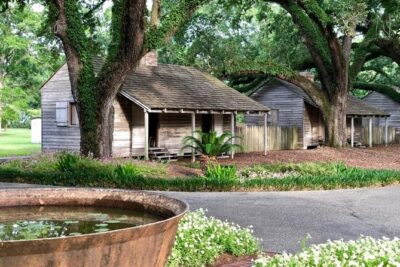
What makes Laura stand out in a deeper way is the presence of specific structures tied to enslaved life. Laura includes original 1840s slave cabins, which is the kind of detail that changes your perspective from general “plantation viewing” to something much more grounded. It’s also where the story connects to Compair Lapin, known in English as Br’er Rabbit, with notes that those legendary tales were first recorded there. If you care about how culture traveled alongside oppression, this connection is a rare, memorable thread.
You’ll also have an opportunity to stop by the Laura Plantation gift shop and browse local arts and crafts tied to the site. Just keep in mind that time is finite. If you’re laser-focused on exhibits and buildings, aim to browse efficiently so you don’t end up cutting your time on the memorial or museum materials.
There’s also a museum exhibit that focuses on daily life for both free and enslaved people on the sugar plantation. That pairing is useful: it avoids making the story one-dimensional. You get a clearer sense of how the plantation functioned as a system.
Laura’s possible drawback
Laura’s stop is rewarding, but it can be emotionally heavy. If you prefer lighter content, go in knowing this is not a casual photo-op tour. Also, since the on-site experience can be audio or self-guided, reading signage and taking your time inside buildings is part of how you’ll get the most out of it.
More New Orleans tours and experiences to compare





Oak Alley Antebellum: Slave Life Exhibits and the Sugar Cane Theater
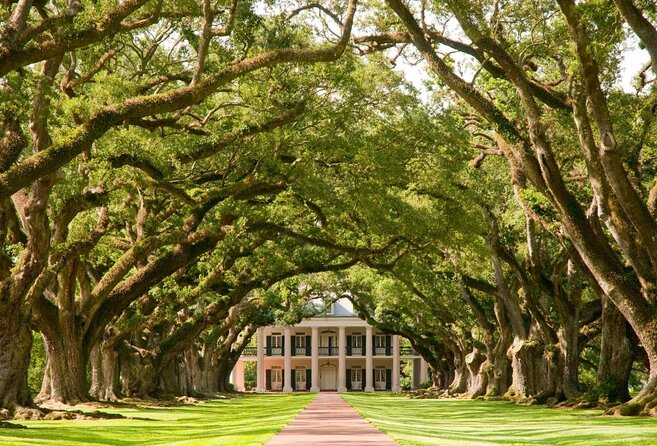
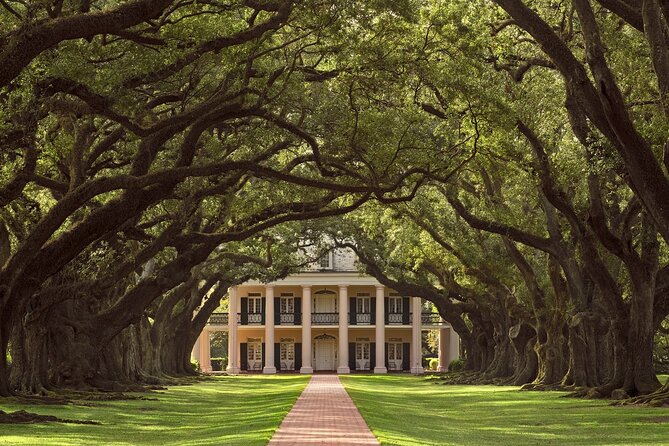
Oak Alley is the plantation that people often describe first for its dramatic look. When the tour is set for Oak Alley, you’ll get about 2 hours 15 minutes here, with admission included.
The main house is presented with interiors and classic plantation-era details. But the key reason to choose Oak Alley on this tour is that it doesn’t just stop at the grandeur. The site includes the Slavery at Oak Alley exhibit, which shares the story of enslaved people on the property from roughly 1835 to the end of the Civil War. It also covers aspects of daily life such as healthcare, punishment, and life after emancipation. That range helps you understand slavery as a lived system, not just a historical label.
You’ll also find more targeted displays, like the Confederate Commanding Officer’s Tent exhibit. That’s another reminder that plantation sites can hold multiple layers of meaning—war, power, and coercion all tangled together. If you like your history with context, Oak Alley is a strong match.
For the sugar-focused angle, there’s the Sugar Cane Theater, presented through videos and exhibits about sugar’s impact on the people connected to Oak Alley. If you’re trying to make sense of the plantation economy as a machine, this part helps connect the dots between crops, labor, and the human consequences.
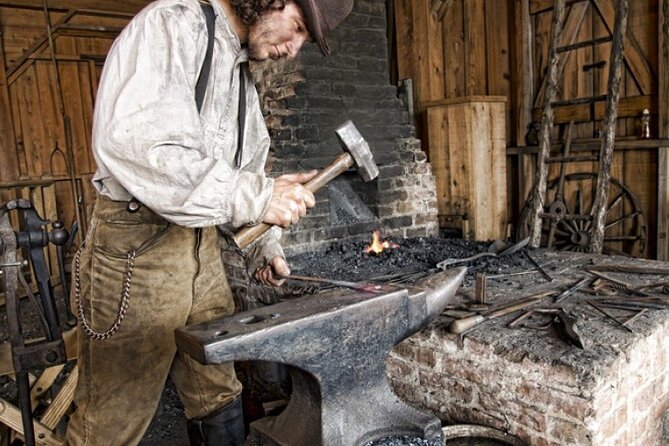
And if you’re the type who notices the working side of history, there’s a Black Smith Shop House. It’s described as one of the few remaining forges of its type in Louisiana, dating to the 1890s era. Even if you don’t know much about toolmaking or blacksmithing, the existence of the forge gives you a concrete sense of how supplies and repairs fed the plantation workflow.
Oak Alley’s possible drawback
Because Oak Alley includes multiple exhibits and buildings, you’ll want to manage your time. If you’re the slow-and-absorbing type, you might feel rushed. Comfortable shoes help, and it’s worth setting your priorities before you walk in—grandeur photos are easy, but the slavery exhibits deserve room.
Whitney Plantation: Memorial Materials and First-Person Slave Narratives

Whitney Plantation is the stop that many history-minded visitors find hardest to forget. When your tour schedule lands on Whitney, it runs with a 2 hours 15 minutes visit and admission included.
One practical note: Whitney closes on Tuesdays. If your travel dates land on a Tuesday, your tour will likely go to one of the other two plantations instead. It’s worth checking your day plan early so you aren’t disappointed when you arrive.
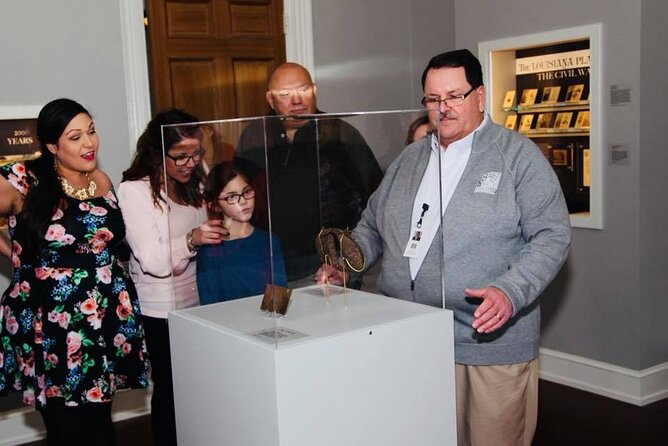
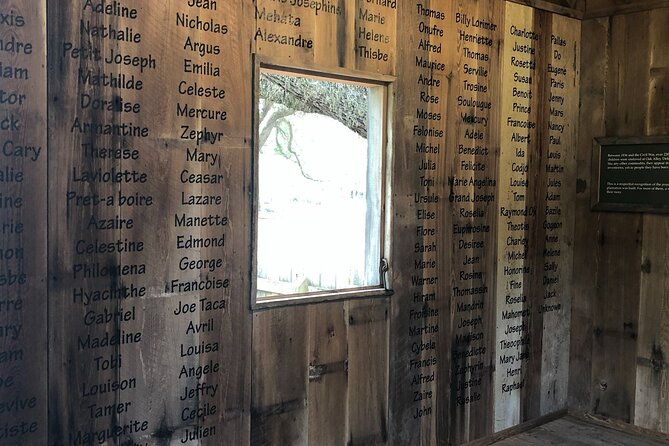
Whitney is also described as a site on the National Register of Historic Places. What matters more than labels is the way the site centers enslaved people’s lives through memorial artwork and thousands of first-person slave narratives. If you’re looking for respectful, direct storytelling, this is the most overtly memorial-focused option on the trip.
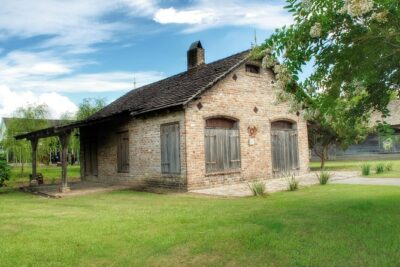
You’ll see structures including what’s described as the last surviving example of a true French Creole Barn, and a building believed to be the oldest detached kitchen in Louisiana. There’s also the Big House, noted as one of the earliest and best-preserved raised Creole cottages in Louisiana. The important thread here is that these structures were built by enslaved people and presented in a way that honors that labor.
Another detail that makes Whitney feel authentic is how the original buildings sit in a working sugar cane field. That setting helps you remember these weren’t props staged for tourists. They were part of an operating plantation economy.
Whitney’s possible drawback
This is not the lightest stop emotionally, and that’s true whether you’re new to the topic or already familiar with it. If you prefer a broader “plantation overview” day with less memorial emphasis, Whitney may feel heavier than expected.
What the Half-Day Schedule Feels Like (Pickup, Walking, and On-Site Pace)
This tour works best if you like a structured day. You get picked up from your hotel, driven out to the plantation area, then you tour the chosen site(s) as scheduled before returning to the city. Total time runs about 5 to 6 hours, depending on road conditions.
Walking is described as moderate. That means you should plan for uneven ground around historic sites, outdoor paths, and time inside buildings that may not be designed for people who want lots of seating breaks. Comfortable footwear is the smart move, and it’s smart to dress for the weather since it operates in all weather conditions.
The on-site style is also something to understand before you go. Even when the day is set up with a tour driver/guide, the plant-specific walk-through can be self-guided with audio. That approach can be a plus if you like to move at your own speed. It can also be frustrating if you came for a fully guided, live interpretation at every stop.
Also, the day includes admission at each plantation, which helps your brain stay in the “explore” mode rather than the “ticket line” mode. You’ll still want to manage how long you spend in key exhibits so you don’t get squeezed at the end.
The three-stop structure: how it adds up
A useful way to think about the structure is: each stop hits a different angle of the plantation story.
- Laura Plantation leans into Créole heritage plus specific links to enslaved life and cultural storytelling like the Br’er Rabbit connection.
- Oak Alley leans into a plantation house experience paired with exhibits focused on slavery and sugar’s human impact.
- Whitney Plantation leans hardest into memorial materials and first-person narratives.
Together, they form a day that’s not just scenic. It’s organized to show how the plantation world worked and how enslaved people were remembered.
Should You Book N’awlins Luxury for This Plantation Day?
Book this tour if you want a smooth, low-effort way to reach Plantation Country from New Orleans. The hotel pickup and drop-off are the biggest convenience win, and the fact that admission is included helps the price feel more fair for a half-day outing.
Choose it especially if you’re drawn to the specific sites on the schedule. Laura is strong for Créole context and preserved structures tied to enslaved life. Oak Alley adds the big-house atmosphere plus exhibits that cover punishment, healthcare, and life after emancipation. Whitney is for people who want memorial work and first-person narratives front and center.
Skip or at least confirm details if you strongly prefer a fully live guided tour inside every building. Since the on-site experience can include self-guided audio, your enjoyment will depend on how you like to learn while walking.
One last tip: check which plantation you’ll get based on the day, especially if you’re traveling on a Tuesday, since Whitney is closed then.
FAQ
How long is the tour?
The tour runs about 5 to 6 hours total.
Is hotel pickup and drop-off included?
Yes. Hotel pickup and drop-off are included, along with a driver/guide.
Which plantation will I visit?
The day’s schedule determines which plantation you visit: Whitney Museum Plantation, Laura Plantation, or Oak Alley Antebellum Plantation.
How long will I spend at each plantation?
Each plantation stop is listed as about 2 hours 15 minutes, with admission included.
Is food or drinks included?
No. Food and drinks are not included.
Is there a lot of walking?
There is a moderate amount of walking involved.
Is the tour guided?
Transportation is handled with a driver/guide. The on-site plantation experience may involve self-guided audio, depending on the day’s setup.
Does the tour operate in bad weather?
It operates in all weather conditions, and you should dress appropriately. If canceled due to poor weather, you’ll be offered a different date or a full refund.
Is Whitney Plantation open every day?
Whitney Plantation is closed on Tuesdays.
What happens if I cancel?
You can cancel up to 24 hours in advance for a full refund. If you cancel less than 24 hours before the start time, the amount paid is not refunded.
More Tours in New Orleans





More Tour Reviews in New Orleans

More River Road Plantations





Just added to The New Orleans Traveler




Plantation Tours, compared.
 ★ 5.0Swamp Boat Ride and Oak Alley Plantation Tour from New OrleansFrom $1313,303 reviews
 ★ 4.5Oak Alley Plantation Tour with Transportation from New OrleansFrom $891,747 reviews
 ★ 4.5Whitney Plantation Tour with Transportation from New OrleansFrom $891,351 reviews
 ★ 5.0Laura Creole Plantation Guided TourFrom $321,279 reviews
 ★ 4.7Bayou Swamp Tour and Oak Alley Plantation TourFrom $1251,147 reviews
 ★ 4.7Oak Alley Plantation & Airboat Swamp Combo TourFrom $160906 reviews
 ★ 4.5Oak Alley Plantation and Large Airboat Swamp Tour from New OrleansFrom $160712 reviews
 ★ 4.5Houmas House Estate and Gardens Guided TourFrom $38632 reviews
Browse the lists this tour appears in