
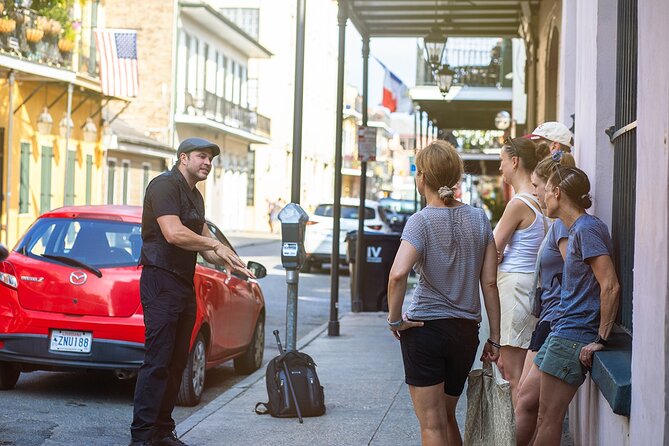
Reviewed · GHOST & VOODOO TOURS
Ghosts, Gods, & Gangsters of New Orleans
New Orleans has a talent for scary stories. This walking tour strings together ghosts, executions, and gangster lore into a night that’s equal parts history and spooky street theater. If you like your macabre with real context, it’s a fun way to see the French Quarter after dark.
I like the way the guide tells the stories with a sharp sense of humor, and the facts-to-haunting mix stays believable. I also love the small group feel, with a hard cap of 20 and a vibe that often makes it feel personal rather than crowded.
One possible drawback: this is outdoors and it isn’t a walk-through tour. You won’t go inside private buildings, and it still depends on good weather, so plan your night accordingly.
In This Review
- Key highlights that matter on the ground
- Start at 916 Dutch Aly for a 1 hour 45 minute night on the darker side
- Old Ursuline Convent Museum and the legend of the casket girls
- BK Historic House and Gardens: Beauregard ties and a mafia hit
- Lalaurie Mansion outside: Madame Delphine’s cruelty and lasting fear
- French Market and Gallatin Street: the red light district you can still feel
- Jackson Square executions: public punishment in the middle of celebration
- New Orleans Pharmacy Museum: plague-era experiments and scary rumors
- Omni Royal Orleans: mafia shadows and a recent tragedy tied to the building
- What you’re really paying for with a $34 price tag
- How the guide style shapes the experience (and why people rave)
- Weather, clothing, and outdoor comfort in New Orleans at night
- So, should you book Ghosts, Gods, and Gangsters of New Orleans?
- FAQ
- How long is the tour?
- Is the tour inside buildings?
- Do I need tickets for the stops?
- What’s the group size?
- What are the age requirements?
- What’s the meeting point?
- What happens if the weather is bad?
Key highlights that matter on the ground
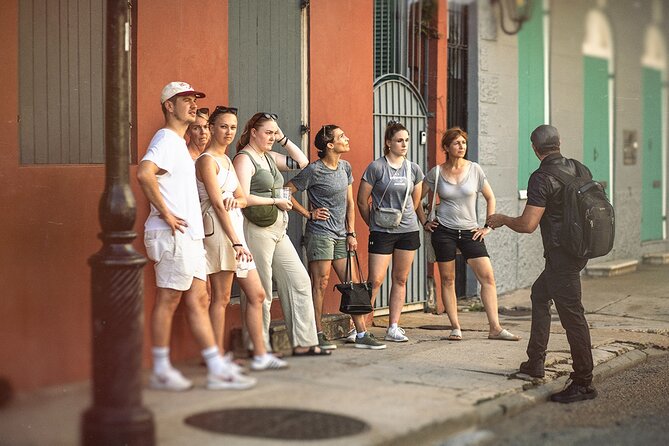
- Edward Simmons-led storytelling that’s energetic, funny, and built for suspense without losing the plot
- Small-group format (max 20) that keeps the experience from turning into a noisy herd
- A true blend of ghosts, crime, and executions around major French Quarter landmarks
- No inside access to private buildings, so you’ll get atmosphere from the street and gates
- Often-booked 25 days out on average, so you’ll want to lock in your time early if your schedule is tight
- Ursuline convent, Lalaurie, Pharmacy Museum, Jackson Square as the tour’s core “dark stops”
Still up for a haunt? More voodoo and ghost walks
- New Orleans Premier Ghost, Voodoo and Vampire Walking Tour★ 4.5 · 12,856 reviews
- Adults-Only New Orleans Ghost, Crime, Voodoo, and Vampire Tour★ 5.0 · 6,545 reviews
- New Orleans Adults-Only Ghost, Voodoo and Vampire Tour★ 5.0 · 3,291 reviews
- New Orleans French Quarter, Voodoo and Culture Walking Tour★ 4.5 · 2,961 reviews
Start at 916 Dutch Aly for a 1 hour 45 minute night on the darker side

You’ll meet at 916 Dutch Aly in New Orleans, then set off on a walking route designed to keep moving without feeling rushed. The total time is about 1 hour 45 minutes, with short stops where the guide sets the scene, explains the background, and then leaves you standing there long enough to feel the mood.
This is also an adults-only tour (age 17+). That matters because the topics lean hard into murder, cruelty, and unsettling legends. If you’re coming with friends who want a lighter ghost show, it may feel too gritty; if you want the city’s shadowy side with context, you’re in the right place.
Finally, this is not a museum-on-rails tour. You’re outdoors most of the time, and several stops mention admission tickets as not included, so the experience is built around what you can see from the outside.
Old Ursuline Convent Museum and the legend of the casket girls
The tour kicks off near the Old Ursuline Convent Museum, a setting that already feels old enough to have a secret. The guide pauses outside the gates and tells the legend of the casket girls—young women who arrived long ago with “peculiar chests” and, according to lore, unholy stowaways that still haunt the convent and the streets nearby.
What makes this stop work is the pacing. You don’t get a quick mention and move on. You stand there while the story is placed on top of the architecture—decaying walls, a quiet perimeter, and that eerie “what if” feeling you only get when you’re not inside where it’s controlled.
There’s also a deliberate supernatural tease: you’re encouraged to listen for whispers on the wind. Whether you take that literally or as atmosphere, it’s a good way to “tune in” before the heavier stops.
Practical note: this stop is listed as about 10 minutes, and the admission ticket isn’t included. Even if you don’t plan to purchase anything, you’ll still get the story beat outside.
BK Historic House and Gardens: Beauregard ties and a mafia hit
Next comes the BK Historic House and Gardens, where the tour shifts from vampire-lore vibe into something more human and ugly: organized crime. The site has layered history. It’s linked to Civil War general P.T. Beauregard, and it later connects with bestselling author Frances Parkinson Keyes.
Then the guide brings in the darker chapter—an infamous mafia hit at the location. This stop is where the tour’s “ghosts, gods, and gangsters” promise becomes more than marketing. The story isn’t only about supernatural claims; it’s about how violence hides inside everyday landmarks.
Why I think this is valuable for you: you start to see how New Orleans tourism-friendly streets can sit directly over criminal history. The guide also leaves room for the idea of unsettled spirits, but the real takeaway is how the same building footprint can hold wildly different eras of power.
This stop is also roughly 10 minutes and lists admission ticket as free, plus the tour indicates the time is spent around the area rather than inside (consistent with the overall “no private building entrances” approach).
Lalaurie Mansion outside: Madame Delphine’s cruelty and lasting fear
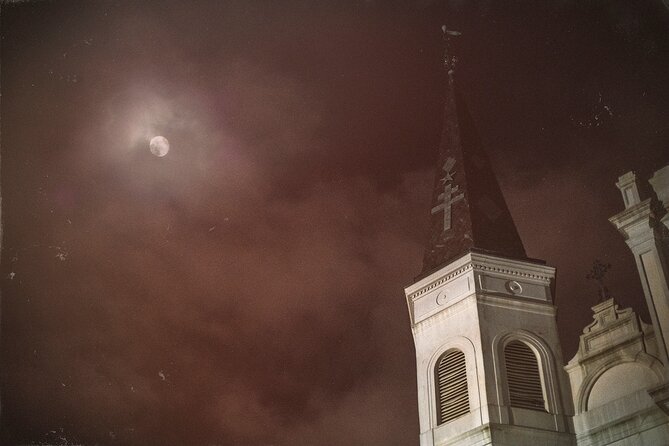
The tour pauses at the Lalaurie Mansion, tied to Madame Delphine Lalaurie, a name that tends to come up whenever New Orleans horror gets discussed seriously. The guide tells the story behind the iron balcony façade and the infamous revelations of suffering and alleged inhuman “experiments” tied to her.
This stop is tense in a different way than the convent legend. Instead of whispery folklore, you get a story grounded in a documented reputation for cruelty. Whether or not you buy into ghosts, the emotional effect is built into the way the tour frames what happened there and how people respond to it.
Also, the guide asks you to consider a sharp question: do spirits linger, or do public imagination haunt the place even more? That’s the kind of prompt that makes this stop feel less like a checklist and more like a moment to think.
As listed, you’ll be out for about 10 minutes, and the admission ticket isn’t included. Since the tour doesn’t go inside private buildings, expect to experience the mansion from the outside and let the story do the heavy lifting.


French Market and Gallatin Street: the red light district you can still feel
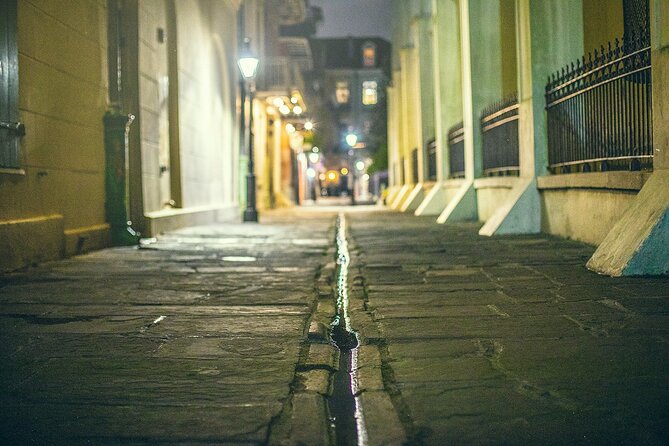
The route then hits the French Market, where the tour pauses near the mouth of the street now famous for food and browsing, but once tied to something much darker: the Gallatin Street red light district in the late 1800s.
The guide paints a picture of danger hiding beneath temptation—sailors and locals drawn in, and predators working the edges of the crowd. The story includes siren-lure style details and gangsters hired by places that later tried to look respectable, masking what went on behind the scenes.
This stop has a smart benefit for you: it helps you connect today’s New Orleans vibe with what the street used to represent. Instead of feeling like you’re watching modern life float over old evil, you start noticing how the city repurposes space.
Expect another 10-minute moment of story and atmosphere. Admission is marked as free for this stop, and the emphasis stays on what you can sense in the location rather than entering anywhere.
Jackson Square executions: public punishment in the middle of celebration
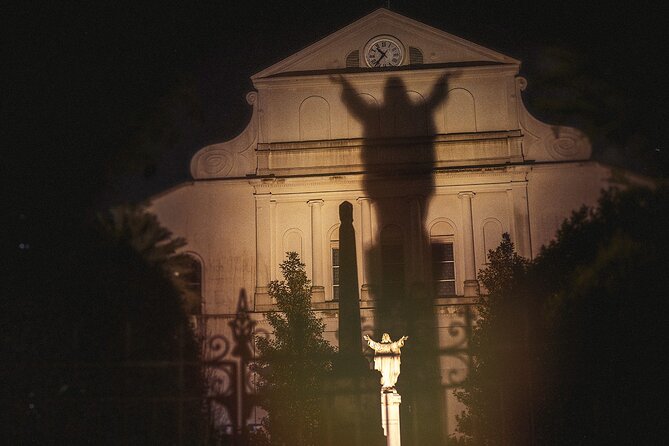
At Jackson Square, the tour leans into the hardest historical topic on the route: public executions. The guide explains that before the square looked like the postcard green space, these grounds were used for executions with armed guards and crude structures.
You’ll hear about hanging and other brutal methods, plus the way crowds gathered and watched. Even if you already know the basics of New Orleans criminal justice history, the tour’s framing makes it feel immediate: you’re standing in a place that now hosts music and street scenes, but once existed for punishment-by-spectacle.
Why this stop matters: it adds weight to the “dark” part of the tour without leaning on myths. You’re not only dealing with folklore—you’re dealing with real violence performed in public.
This is also listed as about 10 minutes with admission free. The practical tradeoff is that the story hits heavy emotional territory, so it’s not a “joke and move on” stop.
New Orleans Pharmacy Museum: plague-era experiments and scary rumors
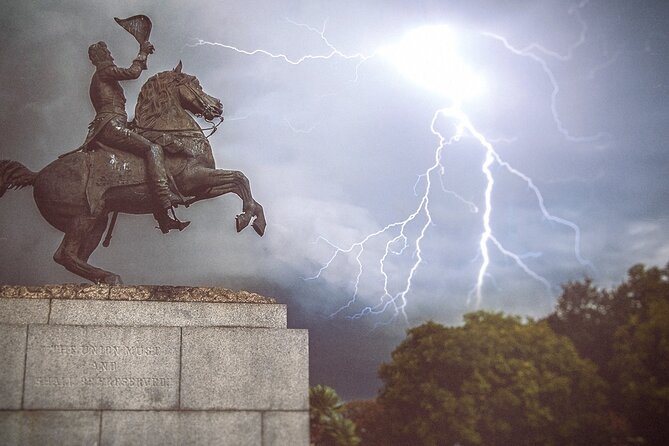
Next is the New Orleans Pharmacy Museum, described on the tour as an unassuming building with unsettling rumors attached. The guide shares stories passed down about the site during plague years—rumors that fringe doctors used the building for lethal “experiments” in the name of discovering vaccines.
The details are intentionally murky in the telling, with facts described as elusive and the stories instead focusing on lost souls, vanished victims, and eerie impressions people associate with the windows.
Here’s what I think you’ll appreciate: the guide doesn’t turn this into a guaranteed-supernatural claim. The tone is “disturbing rumors endure,” which lets you enjoy the ghost-story atmosphere while recognizing that some of the horror lives in uncertainty and fear.
Time-wise, it’s another 10 minutes, and admission isn’t included. This also reinforces the tour’s main method: you’re learning through context and place, not through indoor exhibits.
Omni Royal Orleans: mafia shadows and a recent tragedy tied to the building
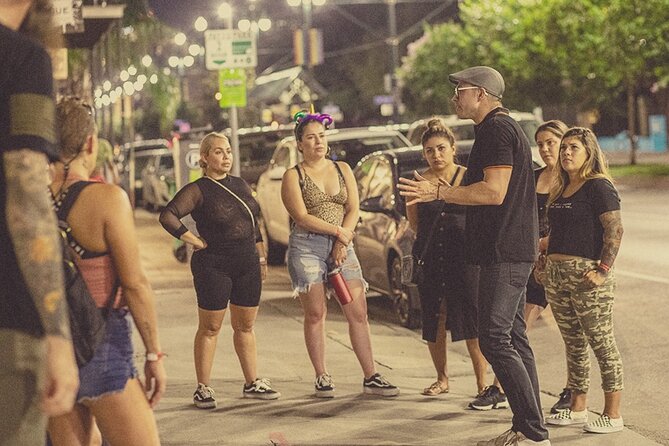
The final stop on the walking route is outside the Omni Royal Orleans. The guide keeps the tone grim, describing misfortune tied to the hotel’s past, including fires and mafia underworld dealings.
This is also where the tour points to a recent high-roof suicide plunge, with speculation about deeper anguish, and ties it to the kind of shocking murder history that sticks in city memory. It’s presented as unsettling history you pass by while people happily move through the lobby and public areas.
What makes this stop useful for your vacation planning: it reminds you that the French Quarter isn’t only about classic legends. It’s also about how modern stories keep colliding with old reputations in the same buildings.
The tour indicates the guide may share personal disquieting experiences from nights spent wandering the halls, which adds a “not just trivia” feel to the last stretch. This stop is listed for about 10 minutes, and admission isn’t included.
What you’re really paying for with a $34 price tag
At $34 per person for about 1 hour 45 minutes, this sits in the “value” zone for a guided night tour, especially if you want something more story-driven than sightseeing. Here’s where the cost adds up in your favor:
- A licensed and certified guide leads the walk, not an audio-only setup.
- Short, focused stops (mostly around 10 minutes each) keep you engaged without long dead gaps.
- Small group size (max 20) improves your odds of hearing the guide clearly and asking questions.
- The guide’s style—funny, energetic, and story-first—turns the price from “walking fee” into “time on a great storyteller.”
If you compare it to booking a cheaper ghost walk that barely explains anything, this one leans harder into history, crime, and why these legends exist. If you want a purely spooky, campy experience, you may want to consider whether you’re in the mood for murder and tragedy. But if you want New Orleans with context, it’s a solid deal.
How the guide style shapes the experience (and why people rave)
A major theme in the experience is the guide’s tone: energetic, animated, and clearly into New Orleans’ darker corners. The guide is described with a standout storytelling voice—often funny, always engaging—and there’s an emphasis on facts over fluff.
You’ll also notice that the guide is presented as a one-person show rather than a rotating roster. That matters because your pacing, style, and story arc should stay consistent throughout the night.
Another strong point: the tour tends to work for mixed groups. It shows up as a good pick for couples, families with older teens, and people who like true crime and history. If your group includes one person who thinks ghost tours are silly, the format can win them over because it keeps pulling the conversation back to real events and plausible explanations.
Weather, clothing, and outdoor comfort in New Orleans at night
This tour requires good weather. In practice, that means you shouldn’t count on a perfect forecast—have backup plans for rain. It also stays outdoors, so clothing matters.
A tip from experience: wear warm layers if you’re visiting in cooler months. Even if the temperature is manageable when you start, the walk plus nighttime wind can make you regret not dressing for it.
And because there’s no private-building entry, you’re relying on the street view and the guide’s pacing. Comfortable shoes help more than you’d think.
So, should you book Ghosts, Gods, and Gangsters of New Orleans?
I’d book it if you want a dark New Orleans walk that connects legends to real places, and you care about a guide who can keep you listening instead of just pointing at buildings. It’s especially worth it if you like true crime, executions, and gangster-era history, with just enough paranormal flavor to spark your imagination.
Skip it (or at least reconsider) if you want an easy, kid-friendly ghost experience, or if you get uncomfortable with stories that include cruelty and murder. Also, if you hate being outdoors at night, this one may not feel worth it since you’re mostly standing outside rather than going inside.
If you’re craving a night that feels like New Orleans has a pulse under the sidewalks, this tour is a strong match—and the Edward Simmons-led energy is a big reason why.
FAQ
How long is the tour?
The tour runs about 1 hour 45 minutes (approx.), with short stops at each location.
Is the tour inside buildings?
No. The tour indicates you do not go inside private buildings, and most stops are experienced from outside.
Do I need tickets for the stops?
Admission tickets are listed as not included for some locations (like the Old Ursuline Convent Museum, Lalaurie Mansion, New Orleans Pharmacy Museum, and the Omni Royal Orleans stop), while other stops are listed as free. You may want to budget time and money if you plan to add any optional admissions.
What’s the group size?
The tour has a maximum of 20 travelers.
What are the age requirements?
This tour is adults only, 17+.
What’s the meeting point?
The start point is 916 Dutch Aly, New Orleans, LA 70116.
What happens if the weather is bad?
The tour requires good weather. If it’s canceled due to poor weather, you’ll be offered a different date or a full refund.
More Tour Reviews in New Orleans
More Ghosts, Voodoo & Vampires


Just added to The New Orleans Traveler


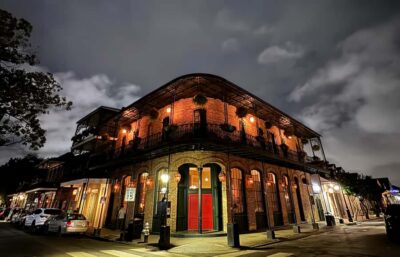
Ghost & Voodoo Tours, compared.
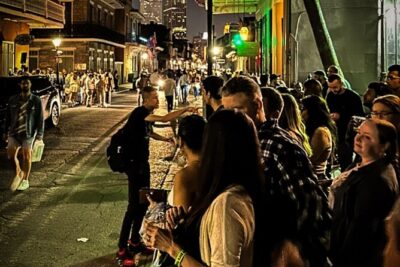 ★ 4.5Premier Ghost, Voodoo and Vampire Walking TourFrom $2712,856 reviews
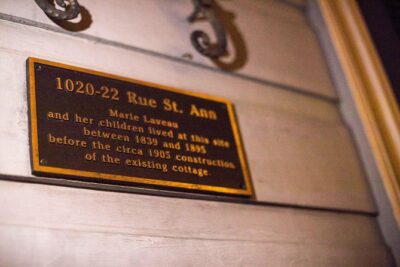 ★ 5.0Adults-Only New Orleans Ghost, Crime, Voodoo, and Vampire TourFrom $376,545 reviews
 ★ 5.0Adults-Only Ghost, Voodoo and Vampire TourFrom $293,291 reviews
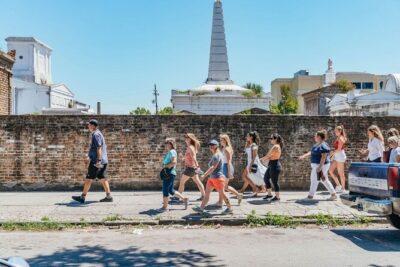 ★ 4.5French Quarter, Voodoo and Culture Walking TourFrom $272,961 reviews
 ★ 4.5Cemetery and Ghost BYOB Bus Tour in New OrleansFrom $302,685 reviews
 ★ 4.5Ghost and Vampire Walking Tour Of The French QuarterFrom $212,406 reviews
 ★ 4.5Small-Group Haunted History Carriage TourFrom $652,289 reviews
 ★ 4.5Adults Only Haunted Pub Crawl in New OrleansFrom $292,158 reviews
Browse the lists this tour appears in