
Reviewed · PLANTATION TOURS
Destrehan Plantation Tour
Plantation history, told with receipts. At Destrehan Plantation just outside New Orleans, the experience blends costumed interpreters with a walk through the property, so you see both the main house setting and the buildings tied to daily life. The headline topic is the 1811 slave revolt, framed in plain terms inside an on-site exhibit.
I love how the tour keeps plantation life connected to the real machinery of power: politics, society, and economics. I also like the pacing, where you get a short guided story plus self-explore time among the dependency buildings. One consideration: this is not a gentle, feel-good history stop. It directly covers slavery and the revolt, and you should be ready for hard details.
In This Review
- Key things I’d circle before you go
- Destrehan Plantation: what makes this tour feel different from other plantation stops
- Timing and how long this really takes near New Orleans
- Getting there from New Orleans: rideshare, taxi, and a simple game plan
- The main experience at the plantation: what happens once you’re inside
- Dependency buildings you’ll actually want to look at
- The 1811 Slave Revolt exhibit: why this stop lands
- The Legacy Room: original documents and artifacts you can build meaning from
- What the guides do best (and why people rave about it)
- Time on the grounds: scenic walks plus room to think
- Price and value: is $29.70 worth it?
- Who this tour suits best (and who should think twice)
- Should you book the Destrehan Plantation Tour?
- FAQ
- How long is the Destrehan Plantation tour?
- What does the tour cost?
- Is the tour offered in English?
- Where does the tour start?
- Is admission included?
- What will I see during the plantation portion?
- Do I get time to explore on my own?
- How big are the groups?
- Can I get there by rideshare or taxi?
- What’s the cancellation policy?
Key things I’d circle before you go
- Costumed historical interpreters who explain everyday plantation roles, not just big-name dates
- 1811 Slave Revolt exhibit presented in an overseer’s cabin setting
- Enslaved registry and other dependency buildings that show how the system worked
- Folk-life demonstration followed by time to wander on your own
- Legacy Room featuring original documents and family artifacts for context
Other River Road plantation visits
- Swamp Boat Ride and Oak Alley Plantation Tour from New Orleans★ 5.0 · 3,303 reviews
- Oak Alley Plantation Tour with Transportation from New Orleans★ 4.5 · 1,747 reviews
- Whitney Plantation Tour with Transportation from New Orleans★ 4.5 · 1,351 reviews
- Laura Creole Plantation Guided Tour★ 5.0 · 1,279 reviews
Destrehan Plantation: what makes this tour feel different from other plantation stops
If you’ve only seen plantation tours that mostly rush you from house to house, Destrehan hits a different rhythm. The story stays grounded in how the plantation actually functioned. You don’t just get the romantic angle. You get the social order, the money logic, and the human cost that sat behind both.
What helps is the structure. You start with interpreters telling the story in a way that feels like you’re stepping into the period. Then you’re given time to look for yourself across the grounds and “dependency” buildings. That combo matters. It’s one thing to hear about a place. It’s another to stand in the space and connect what you heard to what’s in front of you.
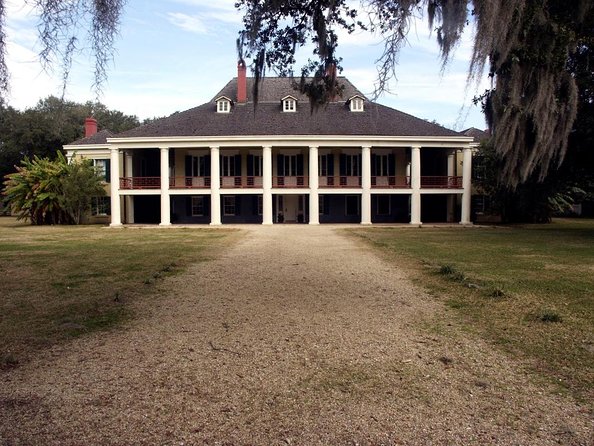
The setting also helps. This plantation sits in a scenic rural pocket near New Orleans, and people often comment on the beauty of the property and the feeling of peace once you’re outside the city rush. You’ll still have to deal with heavy history, but the property itself is calm and easy to take in.
Timing and how long this really takes near New Orleans
You’ll see the tour listed as about 45 minutes of guided time. At the same time, the experience description also signals planning for around 2 hours on-site once you add the included demonstration and the on-ground exploring. In practice, that means you should not schedule tight back-to-back stops.
I’d plan your day like this:
- You arrive and start the guided portion.
- You get the featured stops and exhibit time.
- You then spend extra time self-exploring the grounds and buildings.
If you’re coming from New Orleans, that longer feel is important. Travel time in and out can be unpredictable, especially with traffic. A two-hour commitment from pick-up to last steps on the grounds is the safer mental model.
Getting there from New Orleans: rideshare, taxi, and a simple game plan
Good news first: this is easy by rideshare or taxi. You’re not stuck with a complex bus transfer system. The meeting point is at 13034 River Rd, Destrehan, LA 70047.
My practical tip: plan to leave New Orleans with enough buffer that you’re not sprinting through a gate at the last second. Once you’re there, the property offers time to settle in, so arriving early helps you start the tour relaxed.
Also, pack for Louisiana weather. It can be warm and humid. Even if the tour itself isn’t long, your time walking between buildings is real. Comfortable shoes beat pretty shoes every time.
The main experience at the plantation: what happens once you’re inside
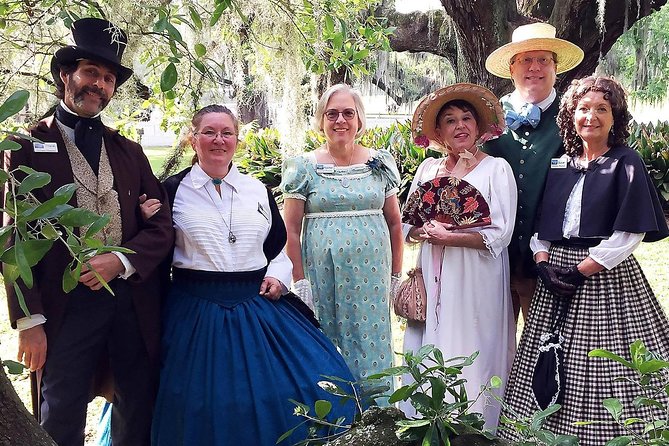
This tour is anchored at Destrehan Plantation, and the day’s flow is built around bringing people to life. Expect costumed interpreters who explain what life looked like for people who lived on the plantation, including both free and enslaved individuals. The goal is not just to describe structures. It’s to show how the plantation society worked.
After the guided storytelling portion, you get a folk-life demonstration. That segment gives you a broader lens on everyday culture and skills tied to life in that place and era.
Then comes the part that I think is the real value for many people: you’re encouraged to self-explore the grounds and dependency buildings. That means you can slow down where your curiosity kicks in and move quickly when your brain wants distance from the hard topics.





Dependency buildings you’ll actually want to look at
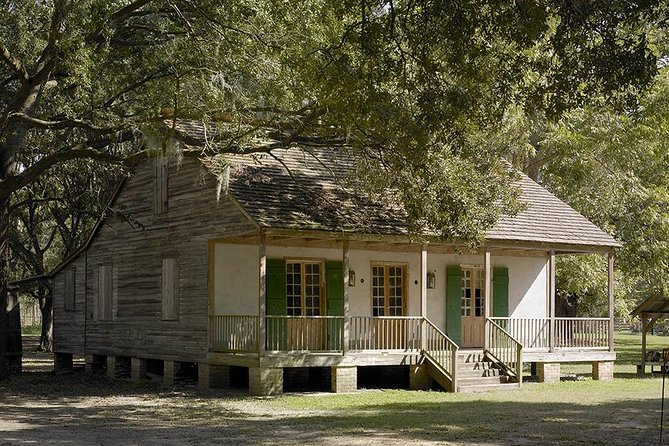
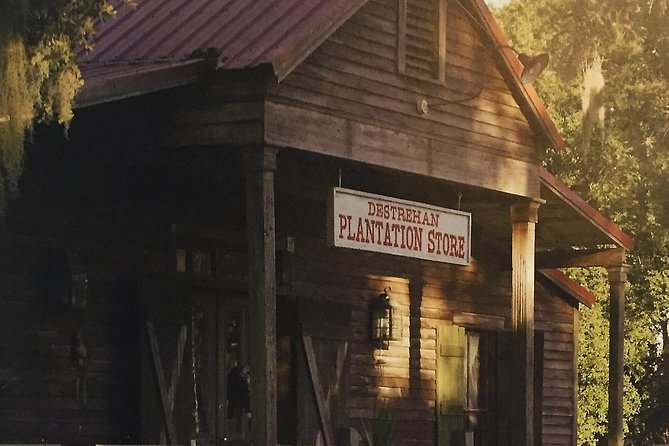
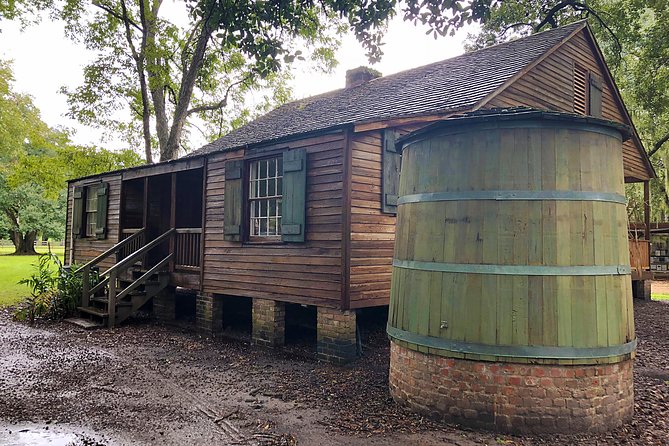
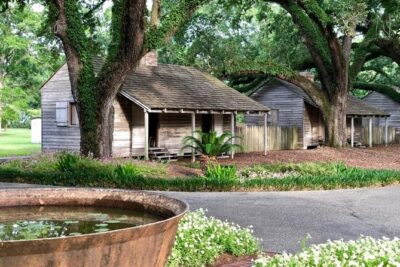
A lot of plantation tours skim the “outbuildings” because there’s not time. Here, the dependency buildings are part of the point. This is where the system becomes visible.
Among the buildings you can explore:
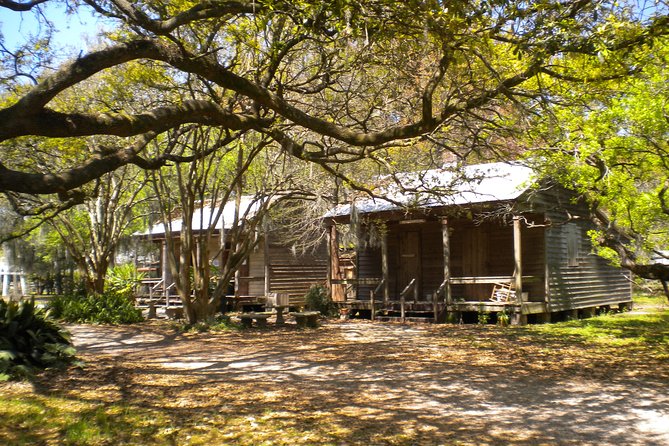
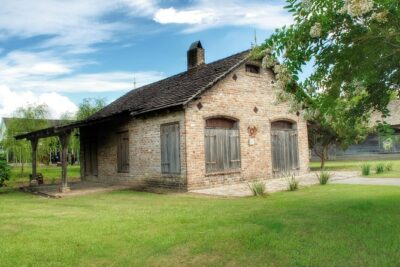
- A slave cabin that includes an enslaved registry
- An overseer’s cabin that houses the 1811 Slave Revolt Exhibit
- An outdoor kitchen
- A washroom
- A trapper’s cabin
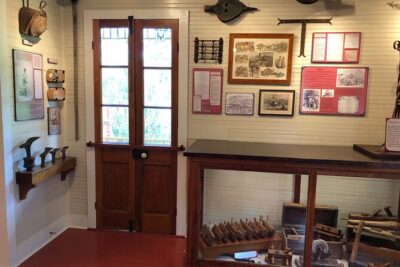
- The Legacy Room with original documents and artifacts from family members
Here’s how to use this effectively: pick one stop that you’re curious about beforehand. If you care most about the rebellion, spend extra time in the overseer’s cabin exhibit area. If you want to understand the day-to-day machinery of bondage, focus on the slave cabin and registry component. If you like tracing documents and historical proof, the Legacy Room is where you’ll likely feel the most “I get it now” momentum.
The 1811 Slave Revolt exhibit: why this stop lands
The 1811 Slave Revolt is described as the largest uprising in U.S. history, and this tour treats it as essential, not optional. The exhibit is placed in the overseer’s cabin setting, which makes the storytelling feel less abstract.
What I appreciate is that the tour connects the revolt to the plantation’s reality. You’re not just hearing a dramatic headline. You’re seeing how the plantation system depended on control, surveillance, and punishment—and how that control was challenged.
Be ready for emotional weight. The revolt and slavery are inherently disturbing topics. The interpreters aim for clarity rather than shock, but you should still expect hard moments.
The Legacy Room: original documents and artifacts you can build meaning from
Not every historical site includes original material you can actually see. Here, the Legacy Room displays original documents and family artifacts. Even if you’re not a document-nerd, this area can change how the whole experience clicks.
Why it’s valuable for you:
- It anchors the story in objects, not just narration.
- It helps you separate rumor from evidence.
- It’s a quieter place to absorb everything you just learned in the buildings and exhibit areas.
If you tend to get overloaded by big museum text, this can be a nice balance. It gives you something concrete to look at while you reflect on what you’re learning.
What the guides do best (and why people rave about it)
A big chunk of the good feeling here comes from the interpreters themselves. Names that show up in guide-led experiences include Jim, Beverley (also spelled Beverly in some write-ups), Kellie/Kelly, Jordan, Clint, Sarah, and Ann (sometimes working alongside another guide). Different people, similar approach: they keep things moving and answer questions in a way that doesn’t feel scripted.
I like that the guides don’t treat the plantation as a stage set. They talk about construction, maintenance, and restoration, so the buildings feel real and cared for, not like props. They also tend to connect social details to everyday logistics—how power moved, how authority was carried out, and how the plantation economy shaped daily routines.
If you’re the type who asks questions (or who wants to know the “why” behind decisions), you’ll probably enjoy the experience more. This isn’t just a one-way talk.
Time on the grounds: scenic walks plus room to think
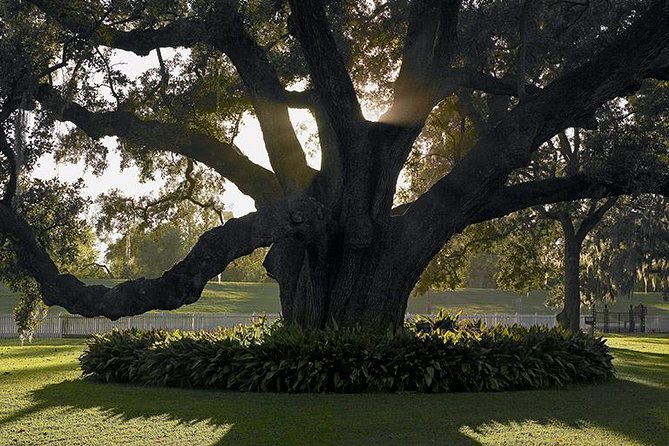
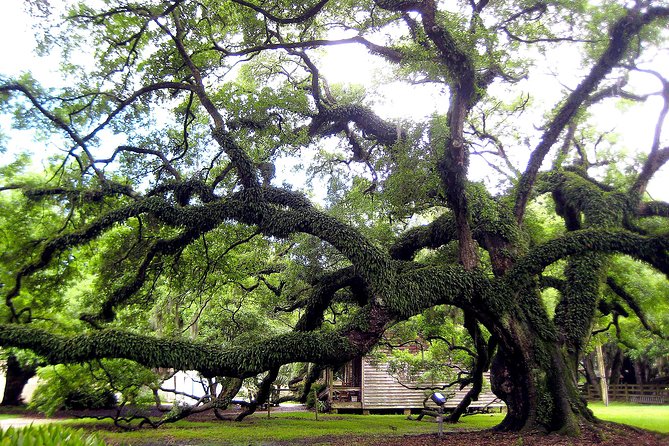
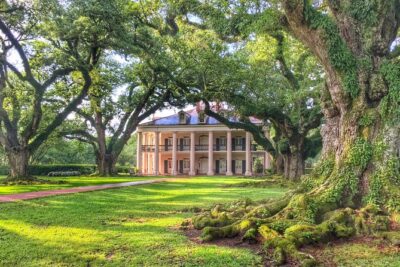
Many people like that there’s a chance to walk the grounds after the guided portion. The property itself is scenic, and you may notice comments about oak trees and the overall peaceful feel of the grounds once you’re out of the city.
That matters for the pacing of a heavy topic. You get to absorb what you learned, then you get a little breathing space outdoors. Just don’t rush the self-exploration time. If you speed through the buildings, you lose the point of standing where history happened.
Quick practical tip: keep a steady pace. Dependency buildings can feel close together at first, then you realize you’re looping around more than you expected. Comfortable shoes help.
Price and value: is $29.70 worth it?
At $29.70 per person, this is priced as an accessible day-trip style activity. The value comes from what’s included, not just the low headline number.
You get:
- Guided storytelling
- A folk-life demonstration
- Entry included for the site experience
- Self-exploration through key dependency buildings
- On-site exhibit content and a Legacy Room with original material
Compared with many New Orleans excursions that cost more but feel shorter or more generic, this offers a dense mix for the money: history, buildings, and exhibits in a fairly efficient block of time.
If you’re trying to cover Louisiana history without taking your whole day, this is one of the more “hits the highlights” options.
Who this tour suits best (and who should think twice)
This tour is a strong match if you want:
- A plantation experience that treats slavery and the 1811 revolt seriously
- Guided context plus time to explore buildings yourself
- A shorter commitment from New Orleans that still feels substantial
It might be a tougher match if you’re looking for a light, photo-only visit or if you want a purely celebratory view of antebellum life. This experience names slavery directly and spends real time on the revolt’s story.
That said, it’s not presented in a sensational way. It’s presented as history you can learn from and take seriously.
Should you book the Destrehan Plantation Tour?
Yes, if you want a plantation tour that’s structured, specific, and not afraid of the hardest parts of the story. The combination of costumed interpretation, the 1811 Slave Revolt exhibit, and time to self-explore makes it feel like you’re learning the place, not just passing through it. The price is also reasonable for what you get.
If you hate heavy history topics, you may feel emotionally drained. But if you’re willing to learn, this is one of the more focused and meaningful ways to add real Louisiana context to your New Orleans trip.
FAQ
How long is the Destrehan Plantation tour?
It’s listed at about 45 minutes approximately, and you should also plan for more time on-site since there’s included demonstration and self-exploration.
What does the tour cost?
The price is $29.70 per person.
Is the tour offered in English?
Yes, it’s offered in English.
Where does the tour start?
The meeting point is 13034 River Rd, Destrehan, LA 70047, USA, and the tour ends back at the meeting point.
Is admission included?
Yes. The experience includes an admission ticket.
What will I see during the plantation portion?
You’ll see costumed historical interpretation, a folk-life demonstration, and you can explore dependency buildings including a slave cabin with an enslaved registry, an overseer’s cabin with an 1811 Slave Revolt Exhibit, an outdoor kitchen, a washroom, a trapper’s cabin, and the Legacy Room with original documents and artifacts.
Do I get time to explore on my own?
Yes. After the guided portion, you can self-explore the grounds and dependency buildings.
How big are the groups?
There’s a maximum of 19 travelers.
Can I get there by rideshare or taxi?
Yes. The site is accessible by rideshare or taxi.
What’s the cancellation policy?
You can cancel for a full refund up to 24 hours in advance of the experience start time. If you cancel less than 24 hours before, the amount paid is not refunded.
More Tours in New Orleans


More Tour Reviews in New Orleans
More River Road Plantations





Just added to The New Orleans Traveler




Plantation Tours, compared.
 ★ 5.0Swamp Boat Ride and Oak Alley Plantation Tour from New OrleansFrom $1313,303 reviews
 ★ 4.5Oak Alley Plantation Tour with Transportation from New OrleansFrom $891,747 reviews
 ★ 4.5Whitney Plantation Tour with Transportation from New OrleansFrom $891,351 reviews
 ★ 5.0Laura Creole Plantation Guided TourFrom $321,279 reviews
 ★ 4.7Bayou Swamp Tour and Oak Alley Plantation TourFrom $1251,147 reviews
 ★ 4.7Oak Alley Plantation & Airboat Swamp Combo TourFrom $160906 reviews
 ★ 4.5Oak Alley Plantation and Large Airboat Swamp Tour from New OrleansFrom $160712 reviews
 ★ 4.5Houmas House Estate and Gardens Guided TourFrom $38632 reviews
Browse the lists this tour appears in