
Reviewed · GARDEN DISTRICT TOURS
A Local’s Garden District Tour
New Orleans rewards curiosity, fast. This Garden District tour pairs street-level walking with the slow magic of the St. Charles Streetcar so you get context before you wander on your own. I especially liked how the guide ties neighborhoods to the people who built them, not just postcard views. One thing to consider: it’s a walking tour with some pace, so if your feet are sensitive, plan your day accordingly.
The second thing I loved was the way you compare cultures as you move—Creole and American sides of the city—without turning it into a lecture. You’ll also get a local guide with real family roots; Leanne, for example, brings a multi-generation connection that makes the architecture feel personal, not academic. If you’re looking for only big-ticket landmarks, this is more about understanding the city’s structure and traditions as you go.
In This Review
- What You’ll Actually Get: French Quarter, Streetcar, and Garden District in One Flow
- The Route Starts at the Mississippi River: How New Orleans Was Built
- French Quarter Without the Blur: Creole and American Differences You Can See
- The Streetcar Ride That Changes the Pace: St. Charles From Lafayette Square to Lafayette Cemetery
- Garden District Mansions and Storytelling Near Magazine Street
- Why Leanne’s Local Perspective Matters (And What You’ll Notice Because of It)
- Timing and Energy: 3 to 4 Hours That Don’t Feel Like a Trap
- Who This Tour Fits Best (And Who Might Prefer Something Else)
- Price and Value: Why $165 Can Make Sense
- Weather and Small Reality Checks That Affect Your Day
- Should You Book This Local’s Garden District Tour?
- FAQ
- FAQ
- How long is the tour?
- What’s included in the price?
- Is this tour private?
- Where does the tour start and end?
- Is the tour offered in English?
- What happens if the weather is poor?
- Can I bring a service animal?
What You’ll Actually Get: French Quarter, Streetcar, and Garden District in One Flow

This tour is designed like a good conversation: it starts with big ideas, then proves them with streets, buildings, and transit. You begin at the Mississippi River area, walk toward Jackson Square, cross into the French Quarter’s story, then ride the streetcar into the Garden District and end near Magazine Street. The format is simple, but the payoff is practical—you learn what to look for and why it matters.
It runs about 3 to 4 hours, and it’s priced at $165 per person. That sounds “tour-ish” until you realize what’s happening: you’re paying for private, custom guiding plus the streetcar rides inside a route that connects three different New Orleans worlds. In other words, you’re buying saved time and smarter orientation, not just someone walking in front of you.
Also, the tour is offered in English, uses a mobile ticket, and runs as a private activity (only your group participates). If you like learning while you move—rather than standing around—this style fits.
Keep strolling the oak-lined Garden District
- New Orleans Garden District History Walking Tour★ 5.0 · 2,879 reviews
- New Orleans City Tour: French Quarter, Garden District & Cemetery★ 4.5 · 2,209 reviews
- New Orleans Small-Group Garden District Walking Tour★ 5.0 · 1,384 reviews
- New Orleans City and Cemetery Tour with Garden District Stroll★ 4.5 · 766 reviews
The Route Starts at the Mississippi River: How New Orleans Was Built

Your tour starts at the Monument to the Immigrant, then sets the tone at the Mississippi River. This is where the city’s layout makes sense. You’ll talk about the early history tied to native American settlements, then how French market life took shape, and how West African and Central African people were brought into the colony through slavery. That mix matters because New Orleans didn’t grow from one story—it grew from several, stacked over time.
Then you stroll down the Riverwalk toward Jackson Square. This part works well because it gives you a calm visual baseline before the louder streets take over. It’s also free from “tour fatigue,” since the walking is paced and you’re outdoors with room to take it in.
What to watch for here: the way the river side feels like a spine. Even if you don’t memorize dates, you’ll start to see why neighborhoods formed where they did and why river life shaped commerce and culture.
French Quarter Without the Blur: Creole and American Differences You Can See
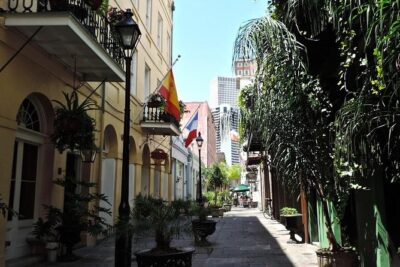
After the river, you head through the French Quarter. This is not just a pass-by of famous corners. The guide stops at historical sites and talks history along the way, comparing the Creole and American sides of the city. You’ll get a sense for how settlement patterns and cultural priorities shaped architecture and everyday life.
One of the smartest things about this portion is the comparison. New Orleans can feel like one big aesthetic blur—balconies, courtyards, wrought iron. But when you’re guided to notice differences between Creole and American influences, you stop viewing buildings as decoration and start seeing them as clues. The French Quarter becomes readable.
Practical tip: wear shoes you can move in comfortably. Even at a relaxed walking pace, the French Quarter is full of short turns, steps, and street surfaces that add up.
Possible drawback: if you’re hoping for an ultra-fast highlight sprint, the learning moments here will slow you down a touch. That’s the tradeoff. For me, it was worth it because it helps you enjoy the rest of the trip more.
The Streetcar Ride That Changes the Pace: St. Charles From Lafayette Square to Lafayette Cemetery
Then you switch to the St. Charles Streetcar—the oldest streetcar line in the country. This ride is more than transport. It’s a reset button between neighborhoods. You get moving views without the stop-and-start stress of driving or rideshare.
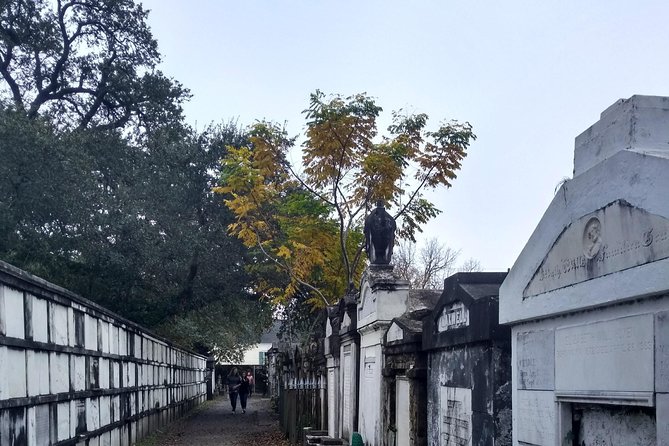
The route passes Lafayette Square, and you get off at Lafayette Cemetery. That choice matters. Cemeteries in New Orleans aren’t treated like background scenery. They’re part of how the city remembers, and the way you approach them from the street helps you understand how people historically shaped their relationship with space and memory.
You’ll also spot how the streetcar line functions as an urban spine. The city isn’t just random streets—there’s a structure to where movement routes people through daily life and architecture.
Why the streetcar is great value here: lots of trips show you one neighborhood. This one links neighborhoods with a historic transit line, so your “before and after” thinking actually clicks.
Garden District Mansions and Storytelling Near Magazine Street
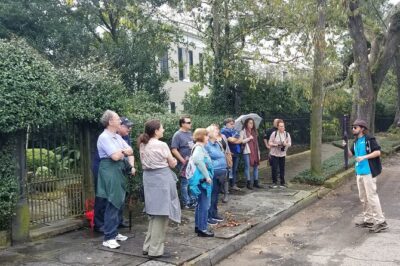
Next comes the Garden District. You’ll tour historic mansions and admire architectural details while the guide explains how they fit into the city’s cultural and physical evolution. The Garden District has a specific feel—grand homes, big shadows, and a quieter rhythm than the French Quarter. Guided, it becomes more than a pretty walk. It becomes a map of status, taste, and time.
The tour ends at Magazine Street, which is a smart finish for self-guided wandering. Magazine is the kind of place where you can extend the day with browsing, coffee, or a meal based on what you liked most during the tour. After the guide’s context, you’ll know what questions to ask when you stop.
What makes this ending work: you’re not sent away at some random corner. You’re placed near a street where you can continue the experience in a way that feels natural.





Why Leanne’s Local Perspective Matters (And What You’ll Notice Because of It)
One review highlight stood out for me: a guide named Leanne with family roots going back generations. That kind of connection changes the tone. Instead of repeating facts, she has a personal way of explaining why certain details matter, and it shows in the pacing.
You’ll also hear a mix of history and humor. That matters more than it sounds. New Orleans history can be heavy, and the guide uses humor to keep the mood human while still staying respectful. The effect is that you remember more. Not every detail, but the bigger themes.
What you can expect as a style: stops are guided, but they’re not robotic. The guide seems to know when to speed up, when to slow down, and when to give you a quick mental “bookmark” so you can find your way later.
If you’re the kind of person who likes to return to a street and say, I remember why that was here, this tour fits your style.
Timing and Energy: 3 to 4 Hours That Don’t Feel Like a Trap
The tour runs around 3 to 4 hours. That duration is a sweet spot for a neighborhood-to-neighborhood route: long enough to connect stories, short enough that you still have time to enjoy your own exploration afterward.
It’s also scheduled so you don’t feel like you’re wasting time when you stop for food and coffee. The tour doesn’t include snacks, but the guide says you can stop for food and drinks along the way if you want. That flexibility is useful because it lets you adjust to your pace and cravings without breaking the flow of the day.
My practical take: if you plan to grab beignets or coffee, aim to do it during the tour’s natural breaks. It keeps your energy steady and prevents the classic problem—waiting until you’re starving and then walking slower than you planned.
Who This Tour Fits Best (And Who Might Prefer Something Else)
This tour is a good match if you want:
- a local-led walking experience that explains architecture and culture as you see it
- a transit moment on the historic St. Charles Streetcar instead of only walking
- a route that ends near a practical browsing street (Magazine Street)
It also notes a moderate physical fitness level. That’s fair. You’ll be on your feet, outdoors, and moving through uneven streets. If you have mobility constraints, it’s worth thinking about your stamina first rather than assuming “easy walking.”
And if your travel style is “tell me the story, then let me go find it,” you’ll probably love how this tour gives you direction for the rest of your New Orleans day.
Price and Value: Why $165 Can Make Sense

Let’s talk money plainly. At $165 per person, this isn’t a bargain-bin group bus tour. You’re paying for:
- private and custom guiding
- streetcar rides included
- a route that connects multiple neighborhoods and a historic transit line
If you’re traveling with someone and prefer a tailored pace, the value can feel strong. If you’re the type who reads every plaque alone, you might feel $165 is more than you need. But if you want context, interpretation, and guidance on what to look for, you’re essentially paying for a local translator of place.
Best value scenario: you’re staying a day or two in New Orleans and want your time to “click” fast—so you don’t wander for hours before you understand what you’re seeing.
Weather and Small Reality Checks That Affect Your Day
This experience requires good weather. If weather cancels it, you’ll be offered a different date or a full refund. New Orleans weather can shift, so pack a light plan: a rain layer and comfortable shoes.
Also, because it’s near public transportation and starts at a specific meeting point, make sure you arrive a bit early. Nothing kills a great tour faster than rushing at the start.
Should You Book This Local’s Garden District Tour?
I’d book it if you want New Orleans to make sense fast. The blend of Mississippi River context, French Quarter comparisons, and a St. Charles Streetcar ride into the Garden District is a smart way to understand the city’s physical and cultural logic. The local guide style—especially with someone like Leanne who brings multi-generation ties—makes the stories feel grounded, not generic.
Skip it only if you want a pure sightseeing checklist with minimal walking and minimal explanation. This one is about learning how to see.
FAQ
FAQ
How long is the tour?
It’s listed as about 3 to 4 hours.
What’s included in the price?
Streetcar rides and private/custom guiding services are included.
Is this tour private?
Yes. It’s a private tour/activity, and only your group participates.
Where does the tour start and end?
It starts at the Monument to the Immigrant, New Orleans, LA 70130, and ends back at the meeting point.
Is the tour offered in English?
Yes, it’s offered in English.
What happens if the weather is poor?
This experience requires good weather. If it’s canceled due to poor weather, you’ll be offered a different date or a full refund.
Can I bring a service animal?
Service animals are allowed.
More Tours in New Orleans


More Tour Reviews in New Orleans
Garden District, Block by Block





Just added to The New Orleans Traveler





Garden District Tours, compared.
 ★ 5.0Garden District History Walking TourFrom $352,879 reviews
 ★ 4.5City Tour: French Quarter, Garden District & CemeteryFrom $402,209 reviews
 ★ 5.0Small-Group Garden District Walking TourFrom $351,384 reviews
 ★ 4.5City and Cemetery Tour with Garden District StrollFrom $55766 reviews
 ★ 4.9Garden District Guided Walking TourFrom $35514 reviews
 ★ 5.0Highlights of the Garden District Walking TourFrom $37492 reviews
 ★ 4.8Garden District TourFrom $28480 reviews
 ★ 5.0Garden District Home and History Walking TourFrom $26470 reviews
Browse the lists this tour appears in